Plaque and Tartar Buildup
Bacteria along the gumline trigger chronic inflammation when not removed daily.

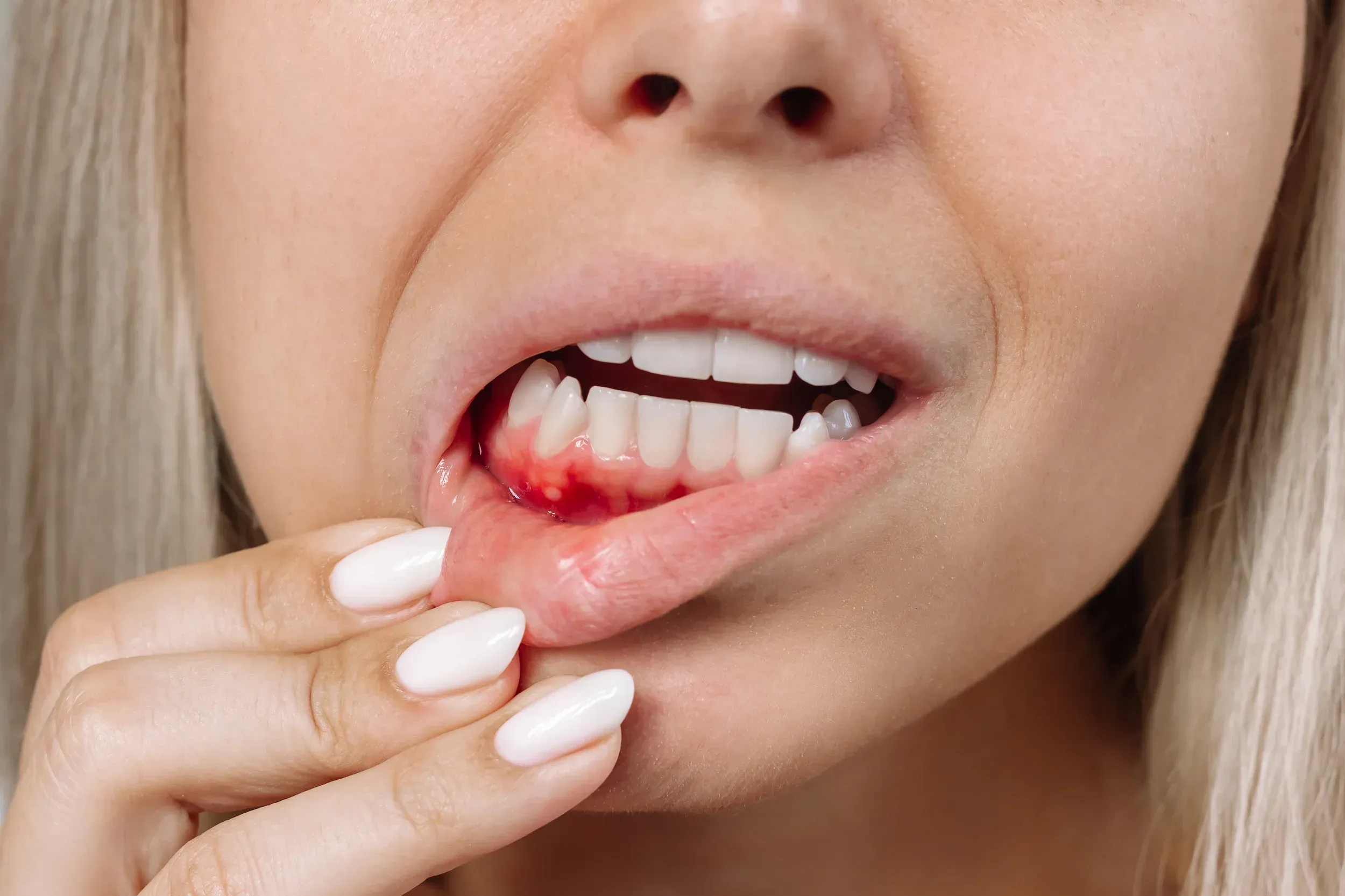
Stop bleeding gums and restore gum health with Dr. Cook.

From bleeding gums to deeper periodontal concerns
Gum disease, also called periodontal disease, is one of the most common dental conditions in adults. According to the Centers for Disease Control and Prevention, nearly half of adults age 30 and older show signs of periodontal disease. It begins quietly with red, tender, or bleeding gums and can progress to bone loss and loose teeth if left untreated. The encouraging news is that the earliest stage, gingivitis, is fully reversible with professional care and consistent home hygiene.
At Cook Family Dentistry, Dr. Cook evaluates the health of your gums at every visit using gentle probing, digital imaging, and a careful review of your symptoms. From there, he builds a treatment plan that matches the stage of disease, whether that means a focused cleaning, periodontal therapy, laser-assisted care, or gum grafting for advanced cases.

Plaque, lifestyle, and health conditions all play a role
Gum disease starts when plaque and bacteria collect along the gumline. If plaque is not removed daily, it hardens into tartar that only a dental professional can remove. Over time, the immune response to these bacteria creates inflammation that damages the soft tissue and underlying bone supporting your teeth.
Risk factors include smoking, diabetes, hormonal changes, certain medications, genetics, and a family history of periodontal disease. Stress and a diet high in refined sugar can also accelerate progression. Identifying your personal risk profile helps Dr. Cook tailor both your in-office care and your home routine.

Why healthy gums matter beyond your smile
Research from the American Academy of Periodontology continues to link periodontal inflammation to systemic conditions including cardiovascular disease, diabetes, and adverse pregnancy outcomes. The bacteria and inflammatory markers active in gum disease can travel through the bloodstream and contribute to broader health concerns.
Treating gum disease is not only about saving teeth. It is part of a larger picture of preventive health that supports your heart, blood sugar control, and overall well being. Dr. Cook routinely coordinates with primary care providers when a patient has diabetes or cardiovascular risk factors.
Understanding the contributing factors
Bacteria along the gumline trigger chronic inflammation when not removed daily.
Reduces blood flow to gums, masks bleeding, and slows healing of inflamed tissue.
Elevated blood sugar weakens the immune response and worsens gum inflammation.
A family history of gum disease can raise your risk even with strong hygiene habits.
Pregnancy, menstruation, and menopause can make gums more sensitive to plaque.
Some drugs reduce saliva or cause gum overgrowth, raising periodontal risk.

Conservative, evidence based treatment in Santa Rosa Beach
How treatment changes as disease progresses
| Treatment | Best For | Approach | Recovery | Reversibility |
|---|---|---|---|---|
| Periodontal Therapy | Gingivitis and mild to moderate periodontitis | Professional cleaning or scaling and root planing below the gumline | No downtime to mild soreness for two to three days | Gingivitis fully reversible, periodontitis manageable |
| Laser Dentistry | Moderate periodontitis with persistent inflammation | Soft tissue laser targets bacteria and supports gum healing as an adjunct to SRP | Minimal, often less than scaling and root planing alone | Stabilizes disease, supports tissue reattachment |
| Gum Grafting | Advanced periodontitis with recession or exposed roots | Surgical placement of tissue to rebuild gum coverage and protect roots | One to two weeks of guided healing | Restores tissue coverage, does not reverse bone loss |

Common symptoms that warrant a periodontal evaluation
Bleeding gums are the most common early sign of gingivitis, the first stage of gum disease. Healthy gums should not bleed during normal brushing or flossing. Occasional bleeding can happen if you have started flossing again after a break, but persistent bleeding deserves a professional evaluation.
Gingivitis, the earliest stage, can be fully reversed with a professional cleaning and consistent home care. Once gum disease advances to periodontitis, bone loss has occurred and cannot be undone. The good news is that periodontitis can be controlled and stabilized so it does not continue to progress.
Scaling and root planing is a deep cleaning that removes plaque and tartar from below the gumline and smooths the root surfaces so gums can reattach. It is the standard non surgical treatment for mild to moderate periodontitis and is often performed with local anesthesia for comfort.
A soft tissue dental laser can target bacteria in periodontal pockets and remove diseased tissue with minimal trauma. Laser assisted therapy is often combined with scaling and root planing to support healing and reduce bleeding and pocket depth.
Yes. Periodontal inflammation has been linked to cardiovascular disease, diabetes, and adverse pregnancy outcomes. Treating gum disease supports better blood sugar control and lower systemic inflammation, which is why we coordinate with your medical providers when needed.
Most patients who have been treated for periodontitis benefit from periodontal maintenance every three to four months rather than the standard six month cleaning. Dr. Cook will set an interval that protects your results based on your stage of disease and risk factors.