Single Missing Tooth
Lost to decay, fracture, gum disease, or injury

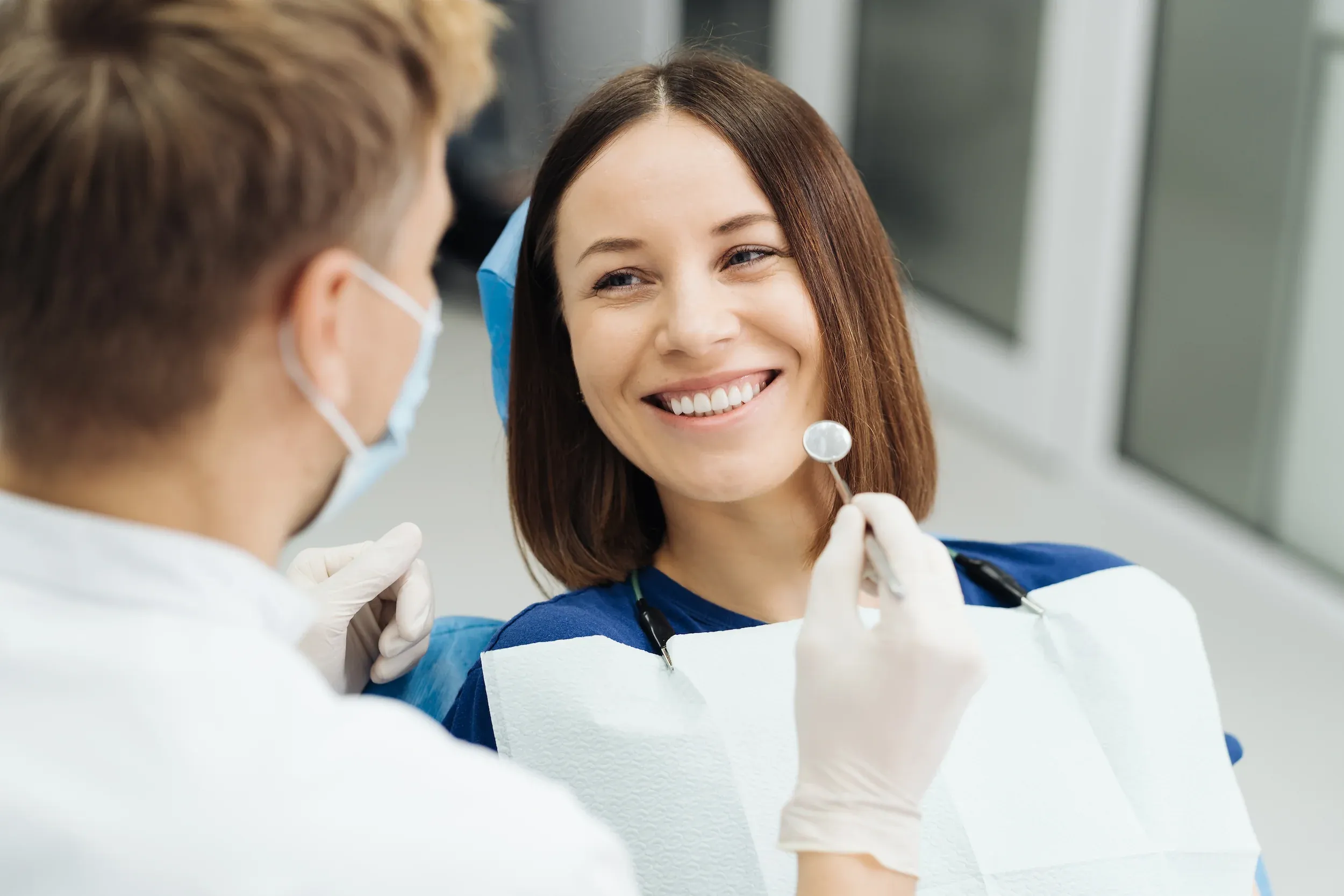
Permanent tooth replacement that looks and feels natural at Cook Family Dentistry
A modern solution that protects your jawbone for decades
When a tooth is lost, the jawbone underneath begins to shrink within months because there is no longer a root to stimulate it. Neighboring teeth can tilt into the empty space, your bite shifts, and your facial profile may slowly change. Traditional bridges and dentures can replace the visible part of a tooth, but they do not stop the bone loss underneath. Over time this can lead to more dental problems, more cost, and a less stable smile.
A dental implant replaces the entire tooth, root and crown, with a titanium post that fuses to your jawbone. This stimulates the bone the way a natural root does, preserving your facial structure and supporting your other teeth. At Cook Family Dentistry, Dr. Cook plans every implant case with CBCT 3D imaging and digital scans, and he performs both the surgical placement and the final crown in our Santa Rosa Beach office. When more than one tooth is missing, we can also discuss All-on-4 full-arch options or implant-supported bridges.
Good to Know
How a titanium post becomes a permanent new tooth
A dental implant is a small, biocompatible titanium post that is placed into the jawbone to act as the root of a missing tooth. Once it heals, the implant is restored with a custom abutment (a connector) and a crown on top that looks, feels, and functions like a natural tooth. Implants are FDA-cleared, evidence-based, and considered the gold standard for replacing one or more missing teeth.
The process works through a biological phenomenon called osseointegration, where bone cells grow directly onto the surface of the titanium post and lock it in place. This fusion typically takes 3 to 6 months, depending on the location in the mouth and your bone quality. Once the implant is fully integrated, it can support a single crown, a multi-tooth bridge, or a full-arch restoration. At Cook Family Dentistry, every case is planned using CBCT 3D imaging so Dr. Cook can map your nerves, sinuses, and bone volume before any surgical step is taken.
From placement through the final crown, treatment typically spans 4 to 9 months to let the implant fuse securely with the bone. Here's what to expect at each stage.
Common reasons patients choose implants
Lost to decay, fracture, gum disease, or injury
Implant-supported bridges replace two or more teeth in a row
A tooth scheduled for extraction can be replaced with an implant
Implants can stabilize an existing denture or partial
Implants stimulate and preserve the surrounding bone
Spaces where neighboring teeth have started to drift
Dental implants from Cook Family Dentistry replace missing teeth permanently - restoring your natural bite, protecting your jawbone, and giving you a smile that looks and feels completely real.






Implants stay in place for chewing, speaking, and laughing without movement
Custom porcelain crowns blend with your surrounding teeth and gums
The titanium post stimulates bone the way a natural root does
Unlike a bridge, an implant does not require grinding down adjacent teeth
Most patients enjoy nearly 100 percent of their natural bite strength
Quality implants commonly last 25 years or more, often a lifetime
Comparing dental implants, bridges, and partial dentures to help you choose the right tooth replacement for your smile, lifestyle, and long-term bone health.
| Replacement Option | Best For | Adjacent Teeth Affected | Preserves Jawbone | Stability | Average Lifespan | Average Cost (Single Tooth) |
|---|---|---|---|---|---|---|
| Dental Implant (Cook Family Dentistry) | One or more missing teeth | No, untouched | Yes, stimulates bone | Fixed in bone | 25+ years, often lifetime | ~$3,500–$6,000 |
| Dental Bridge | Single missing tooth | Yes, must be reshaped | No, bone loss continues | Fixed, cemented | 10 - 15 years | ~$2,500–$5,000 |
| Removable Partial Denture | Multiple teeth, budget option | Clasps rest on adjacent teeth | No, bone loss continues | Removable, can shift | 5 - 10 years | ~$1,200–$3,000 |
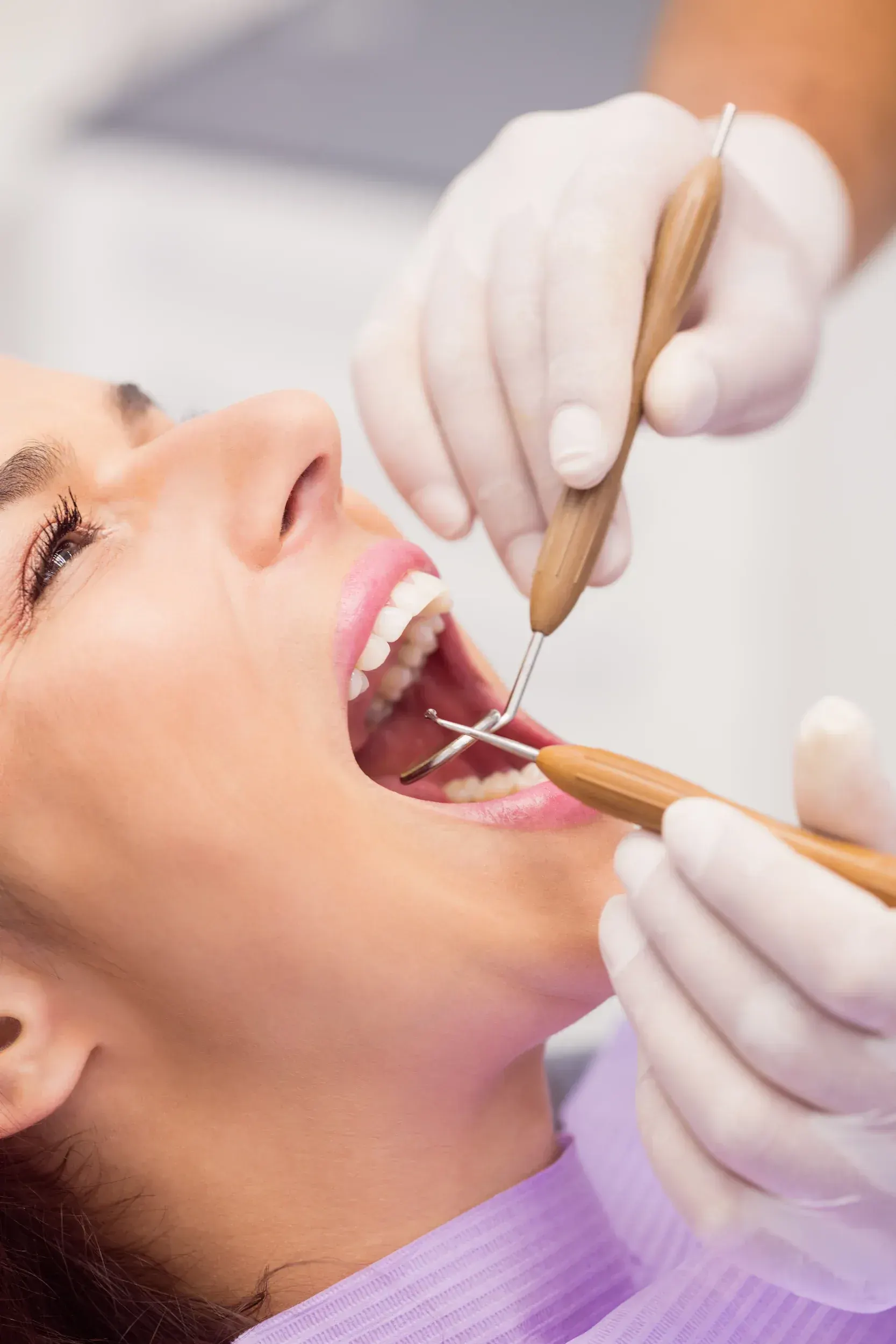
Dental implants are one of the most predictable, long-lasting options in modern dentistry, and the vast majority of healthy adults who are missing one or more teeth can be successfully treated.
Dr. Cook will review your CBCT 3D scan, medical history, and goals to confirm that a dental implant is the safest and most predictable option for your smile.
From surgical placement to your final custom crown, Dr. Cook guides you through every comfortable, well-planned visit over four to nine months in our Santa Rosa Beach office.
Dr. Cook reviews your health history, examines your bite, and captures a CBCT 3D scan to map bone, nerves, and sinuses for safe implant placement.
If your jaw has lost volume, Dr. Cook places a bone graft to rebuild a strong foundation before or during implant surgery.
Using local anesthetic and optional sedation, Dr. Cook places the titanium implant post into the jawbone through a small, precise opening in the gum.
Over 3 to 6 months your jawbone fuses to the implant. A protective healing cap or temporary tooth keeps the area comfortable.
Dr. Cook attaches a custom abutment and bonds your lifelike porcelain crown on top, then fine-tunes your bite for natural function.
What to know after your procedure
Dental implants have one of the highest success rates of any surgical procedure, with survival above 95 percent at 10 years. Most side effects after placement are mild and temporary:
Less common risks include infection, sinus involvement for upper implants, nerve irritation for lower implants, or failure of the implant to integrate with the bone. Dr. Cook reduces these risks with CBCT 3D planning, sterile protocols, and close follow-up during healing.
Contact Cook Family Dentistry right away if you have severe pain, swelling that worsens after 3 days, a fever, or any unusual drainage from the surgical area so we can examine you promptly.
Most patients leave the surgical visit with a temporary tooth or healing cover in place, then return after 3 to 6 months of bone healing for the final crown. With routine cleanings and good home care, implant-restored smiles commonly look natural and feel strong for 25 years or longer.
View All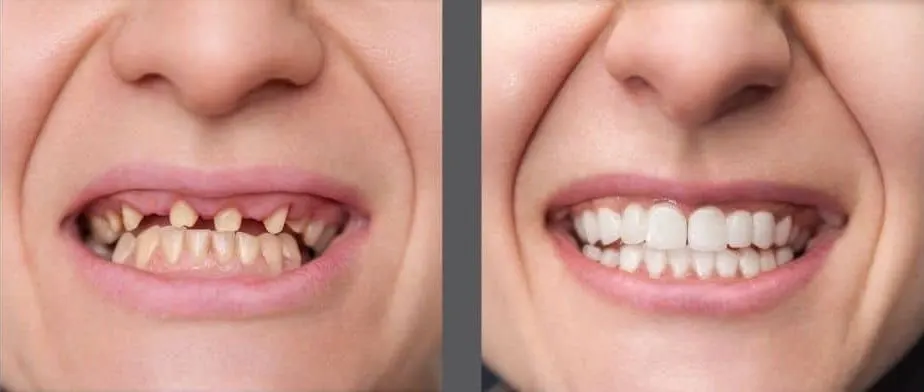
Individual results vary based on each patient's needs, treatment plan, and care.
Transparent, itemized pricing with insurance verification and flexible payment options so a permanent tooth replacement stays within reach.
A complete single-tooth dental implant at Cook Family Dentistry typically ranges from approximately $3,500 to $6,000. This includes the three core parts of the restoration:
Your final cost will depend on several factors:
Multi-tooth implant bridges and full-arch options such as All-on-4 are quoted separately because they involve fewer implants supporting more teeth. We will provide a written treatment plan with every cost itemized before any work begins.
Most dental insurance plans cover a portion of implant treatment as major restorative care, especially the crown and any required extractions. Our team will verify your benefits in advance and provide a clear out-of-pocket estimate. For patients without insurance, we offer transparent self-pay pricing so a permanent tooth replacement stays within reach.
We believe cost should never stand between you and a complete, healthy smile. We offer:
Comprehensive implant training and gentle, family-first care
Book NowDr. Cook completed advanced surgical and restorative implant training
No separate referral, no driving across town to finish your case
Every implant mapped against your nerves, sinuses, and bone volume
Serving Santa Rosa Beach families and seasonal visitors since 2010
CareCredit and Kleer Membership Plan available to make implant treatment accessible without compromising on quality
Every cost is itemized and explained before any work begins so there are never any surprises
Complete your implant care with these related treatments at Cook Family Dentistry.
View All ServicesAll-on-4 dental implants in Santa Rosa Beach, FL. A full arch of fixed teeth on four implants. Book a consultation today.
Learn moreAll-on-X dental implants in Santa Rosa Beach, FL. Full-arch implant restoration tailored to your needs. Book today.
Learn moreDental bone grafting in Santa Rosa Beach, FL. Rebuilds jawbone to support implants where bone has been lost. Book today.
Learn moreDental crowns in Santa Rosa Beach, FL. Custom crowns that protect and restore a damaged tooth. Book today.
Learn moreQuality dental implants commonly last 25 years or longer, and the titanium post itself often lasts a lifetime when supported by good home care, routine cleanings, and a balanced bite. The crown on top may need to be replaced over the years, similar to a natural tooth that has a large restoration.
Most patients report less discomfort than they expected. Dr. Cook uses local anesthetic so the surgical area is fully numb during placement, and sedation is available for patients who prefer to relax through the visit. Most people manage post-op soreness with over-the-counter pain relievers and feel back to normal within a few days.
A typical single-tooth implant takes 4 to 9 months from consultation to final crown. The implant post needs 3 to 6 months to fuse with the jawbone before the final crown can be placed. If bone grafting is needed, the timeline can be a bit longer. Dr. Cook will share a personalized schedule at your consultation.
Yes. Each final crown is custom-shaded and shaped to blend with your neighboring teeth and gum line. Once placed, most people cannot tell which tooth is the implant, even up close.
Often yes, although long-standing tooth loss can lead to bone shrinkage at the site. If a CBCT scan shows reduced bone volume, Dr. Cook can rebuild the area with a small bone graft so the implant has a strong foundation. Most patients who have been missing a tooth for years are still excellent candidates after grafting.
Modern dental implants have one of the highest success rates of any surgical procedure, with large peer-reviewed studies showing survival above 95 percent at 10 years. Outcomes are best when implants are planned with CBCT imaging, placed by an experienced clinician, and supported by routine professional cleanings and good home care.
Care for an implant the same way you care for a natural tooth: brush twice a day with a soft-bristled brush, floss carefully around the implant and crown, and use any interdental brush or rinse Dr. Cook recommends. Keep up with cleanings every 6 months so we can monitor the gum tissue and bite around your implant.
Yes. We use implants to replace a single tooth, several teeth with an implant-supported bridge, or a full arch with options such as All-on-4. Dr. Cook will review the most predictable plan based on how many teeth are missing and the condition of your jawbone.