Recent Extractions
Socket preservation right after a tooth is removed

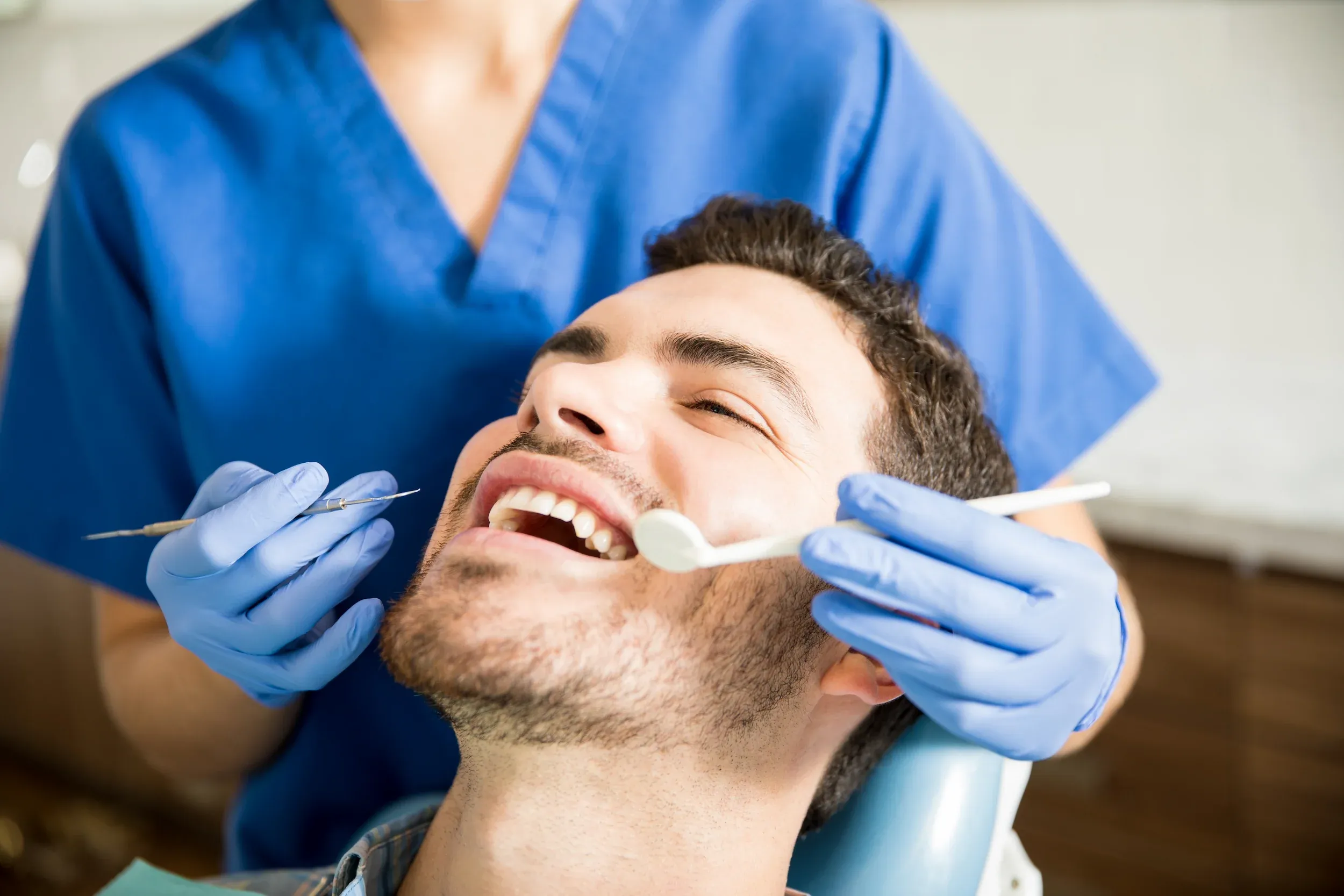
Rebuilding jawbone so Dr. Cook can place implants where bone has been lost.
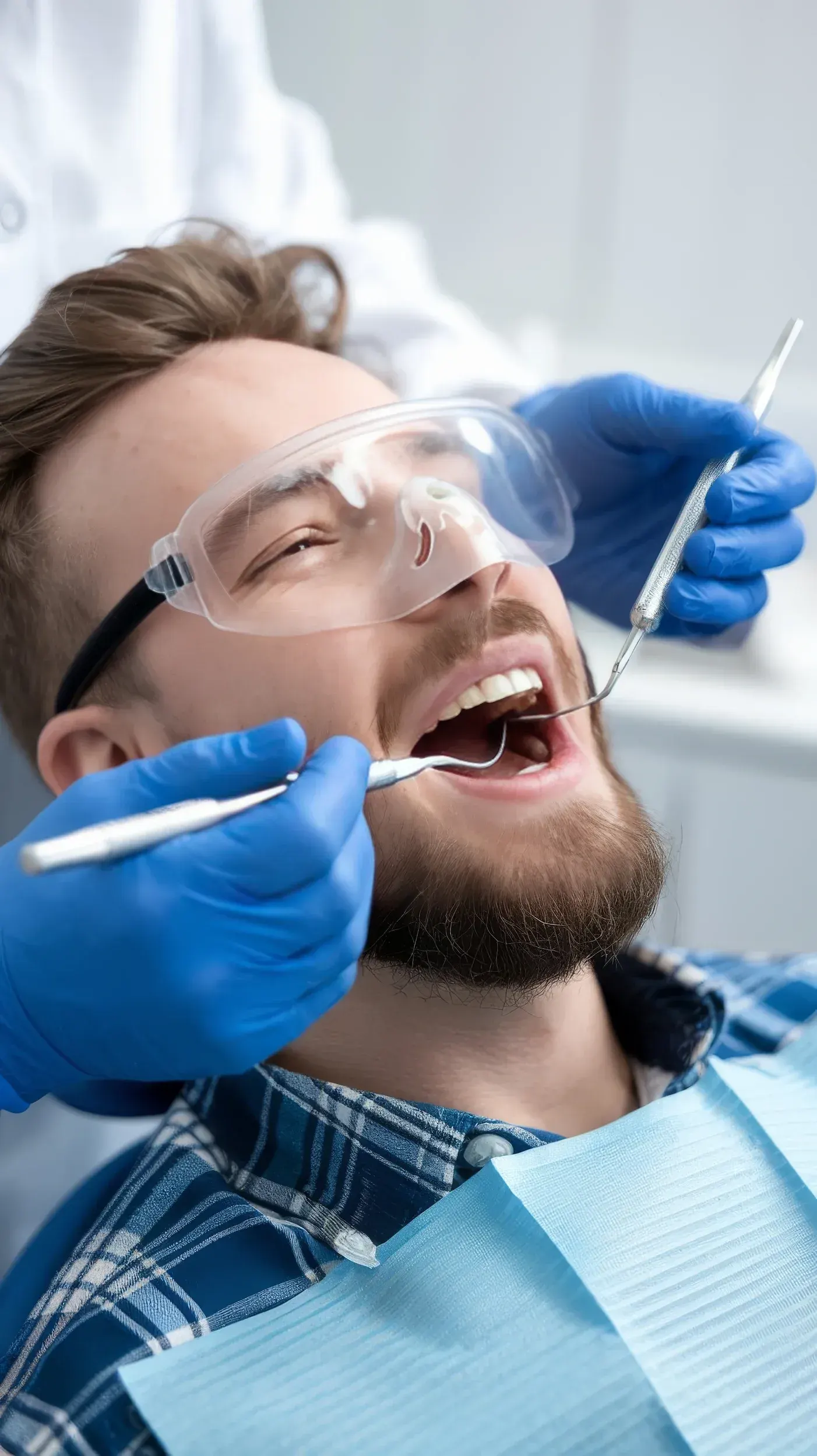
Healthy bone is the difference between a long-lasting implant and a compromised one.
Once a tooth is removed or lost to gum disease, the jawbone in that area no longer receives the chewing forces it needs to stay strong. The body responds by reabsorbing that bone, sometimes losing up to 25 percent of width in the first year alone. Over time, this leaves the ridge thin, short, or hollow, which can make implant placement difficult and even change the shape of your face. Bone grafting reverses that process by adding new bone where it is needed most.
At Cook Family Dentistry, Dr. Cook uses CBCT 3D imaging to map your existing bone in detail, then chooses the smallest, most predictable grafting approach for your situation. In many cases a graft is placed at the same visit as a tooth extraction, preserving the socket and shortening total treatment time. For larger cases, the graft heals first and an implant follows once the new bone is mature, giving every patient the strongest possible foundation for their new smile.
Good to Know
A predictable way to rebuild jawbone where teeth have been lost.
Dental bone grafting is a minor surgical procedure that adds bone or a bone-like material to areas of the jaw where natural bone has been lost or is too thin to support a dental implant. Once placed, the graft acts as a scaffold that your own body gradually replaces with healthy, living bone over the following months.
The new bone integrates with the surrounding jaw, creating the height, width, and density needed for a secure implant. Bone grafting is one of the most common and well-studied procedures in modern implant dentistry, with high success rates when performed by a trained provider using current materials and techniques.
Common types of bone grafts Dr. Cook uses:
Graft materials may include allograft (processed donor bone), xenograft (purified bovine bone), synthetic materials, or autograft (your own bone). Dr. Cook will explain the safest, most effective option for your case at your consultation.
Most grafts need 3 to 6 months to heal before an implant is placed. Here's what to expect before, during, and after your procedure.
From recent extractions to long-standing tooth loss.
Socket preservation right after a tooth is removed
Rebuilding ridges that have shrunk over years
Restoring bone destroyed by advanced gum disease
Sinus lifts for implants in the upper back teeth
Rebuilding the site so a new implant can be placed
Restoring lost ridge for stable implant-supported dentures
Dental bone grafting at Cook Family Dentistry rebuilds the foundation your implant needs - restoring lost bone volume, preserving your ridge, and setting you up for a long-lasting, successful result.






Creates the foundation needed for safe implant placement
Prevents the sunken look that follows long-term tooth loss
Maintains support for neighboring teeth and gums
New bone behaves like natural jawbone for decades
Most grafts are completed comfortably in a single visit
Decades of evidence and modern materials support high success
Comparing socket preservation, major bone grafting, and sinus lifts so you understand which technique Dr. Cook recommends for your specific bone loss and implant goals.
| Graft Type | Best For | Timing | Surgical Complexity | Healing Time | Anesthesia | Typical Cost |
|---|---|---|---|---|---|---|
| Socket Preservation | Fresh socket after extraction | Same visit as extraction | Minor, local anesthetic | 3 - 4 months before implant | Local, optional sedation | $300–$1,500 |
| Major Bone Graft | Lost ridge width or height | After tooth removal (delayed) | Moderate, block graft + membrane | 4 - 6 months before implant | Local + sedation recommended | $1,500–$4,000 |
| Sinus Lift | Back upper jaw implants | Before upper back implants | Moderate, through gum tissue | 4 - 9 months before implant | Local + sedation recommended | $1,500–$3,500 |
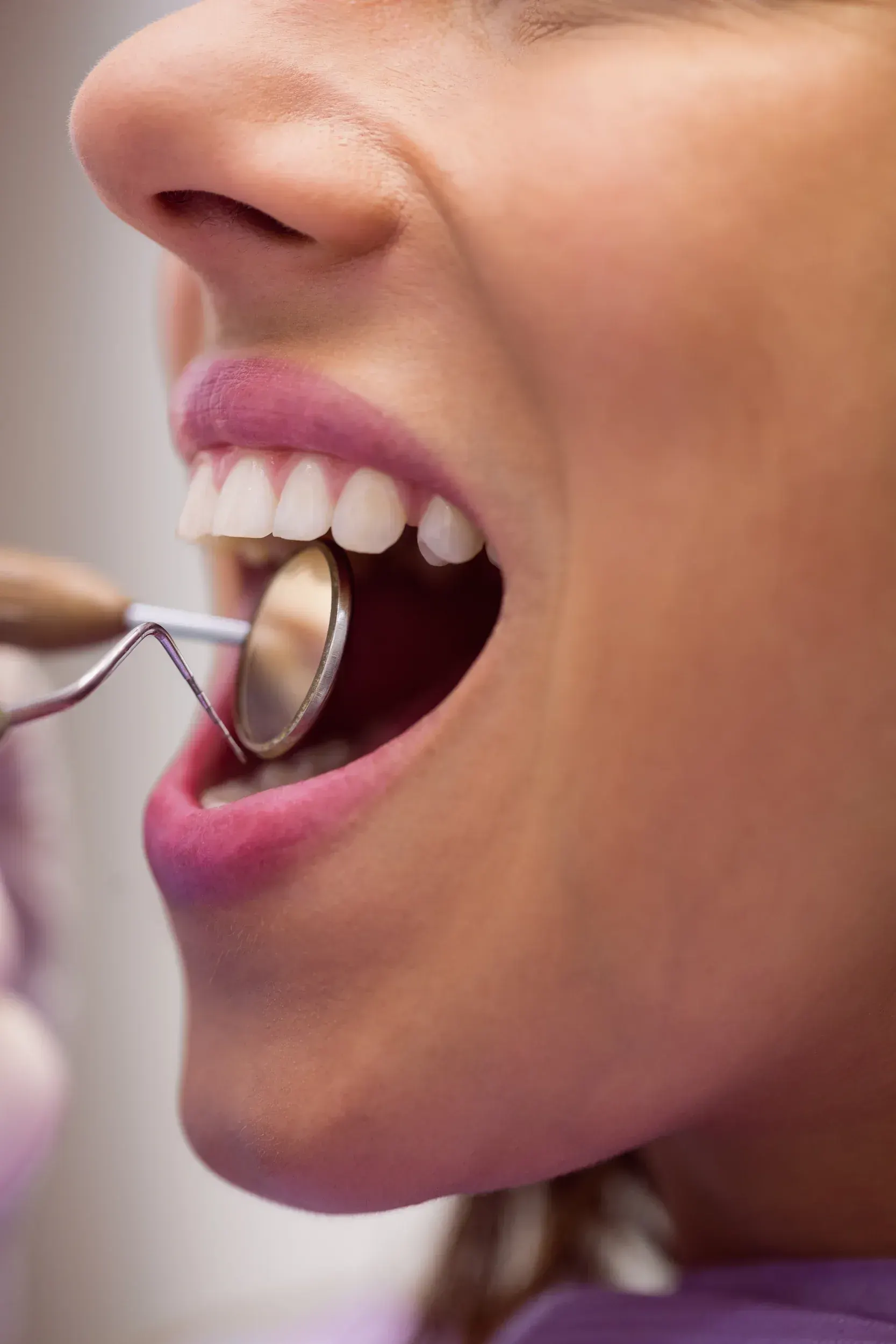
Bone grafting is most often recommended for patients who want dental implants but have lost the jawbone needed to support them. Dr. Cook uses a CBCT scan to confirm whether a graft is necessary before suggesting any treatment.
Dr. Cook will review your medical history, current medications, and CBCT scan in detail and only recommend grafting if it is clearly the safest and most predictable path to your goals.
Dr. Cook uses CBCT 3D imaging to precisely plan your graft, performs the procedure under comfortable local anesthesia with optional sedation, and guides you through a smooth three to six month healing period before implant placement.
Dr. Cook reviews a 3D scan to confirm exactly where bone is needed and selects the smallest effective graft.
Local anesthetic numbs the area, with optional in-office sedation so anxious patients can rest through the visit.
Dr. Cook gently exposes the ridge or socket, removes any infected tissue, and shapes the site for grafting.
Selected graft material is packed into place, often with a protective membrane and optional PRP to support healing.
The area is closed with fine sutures, and you receive written instructions, prescriptions, and a direct line to our team.
Bone grafting is a routine, well-studied procedure with a strong safety record.
Most patients experience only mild side effects in the first few days: soreness near the graft site, light swelling and bruising, minor bleeding the first day, and tightness in the jaw. These typically resolve quickly with pain relievers, cold compresses, and soft foods.
Less common risks include infection, partial loss of graft material, or sinus irritation after a sinus lift. Dr. Cook minimizes these with sterile technique, CBCT-guided planning, and antibiotic coverage when appropriate.
Smoking, uncontrolled diabetes, certain medications, and poor oral hygiene can affect healing, and Dr. Cook will review these with you beforehand. Patients are given a direct line to our office for any concerns during healing.
Transparent, written pricing tailored to the type and size of your graft, with insurance verification and flexible payment options before treatment begins.
Bone grafting costs vary with the type and extent of the graft. A socket preservation graft at the time of extraction typically runs $300 to $1,500, while a major bone graft or ridge augmentation runs about $1,500 to $4,000. We'll review your CBCT planning and provide a clear written estimate before treatment. Call our Santa Rosa Beach office at (850) 622-2226 to schedule a consultation.
Many medical and dental insurance plans cover part of bone grafting when an implant is medically indicated. Our team will verify your benefits and explain your expected out-of-pocket cost before you decide. For patients without coverage, we offer transparent self-pay pricing.
We believe cost should never stand between you and the foundation for a healthy implant. We offer:
Implant-focused training and a gentle, family-first approach.
Book NowComprehensive Implant Residency at the University of Florida
3D imaging maps bone, sinuses, and nerves before treatment
Extraction, grafting, and implant placement under one roof
Optional platelet-rich plasma to support faster, smoother healing
Extraction, grafting, and implant placement all happen under one roof with Dr. Cook
We offer optional PRP drawn from your own blood to support smoother, faster healing after your graft
Explore the services Dr. Cook most often recommends alongside dental bone grafting.
View All ServicesDental implants in Santa Rosa Beach, FL. Permanent tooth replacement that looks and feels natural. Book a consultation today.
Learn moreAll-on-4 dental implants in Santa Rosa Beach, FL. A full arch of fixed teeth on four implants. Book a consultation today.
Learn moreAll-on-X dental implants in Santa Rosa Beach, FL. Full-arch implant restoration tailored to your needs. Book today.
Learn moreDental crowns in Santa Rosa Beach, FL. Custom crowns that protect and restore a damaged tooth. Book today.
Learn moreMost patients are surprised by how mild the discomfort is. The area is fully numbed during the procedure, and optional in-office sedation is available. Afterward, soreness is typically managed with over the counter or short-term prescribed pain relievers for a few days.
Soft tissue usually heals in about 1 to 2 weeks. The new bone matures more slowly, taking about 3 to 6 months before it is strong enough for an implant. Larger grafts and sinus lifts can take up to 9 months.
Dr. Cook uses processed donor bone (allograft), purified bovine bone (xenograft), synthetic materials, or, in select cases, your own bone (autograft). All materials are sterilized and approved for dental use, and Dr. Cook will explain the safest option for your case.
Sometimes yes. When enough bone remains, Dr. Cook may place a small graft and an implant at the same visit. Larger grafts usually need to heal first, then the implant is placed in a second visit a few months later.
Many dental and some medical insurance plans cover part of bone grafting when it is medically necessary for implant placement. Our team will verify your benefits in advance and review out of pocket costs and financing options before you commit.
Without grafting, the jawbone often continues to shrink, which can make future implants impossible without much larger surgery and change the shape of your jawline. For many patients, grafting now is the most conservative long-term choice.