Aggressive Brushing
Hard bristles or heavy pressure scrub gum tissue away over time, especially along the canine and premolar areas.

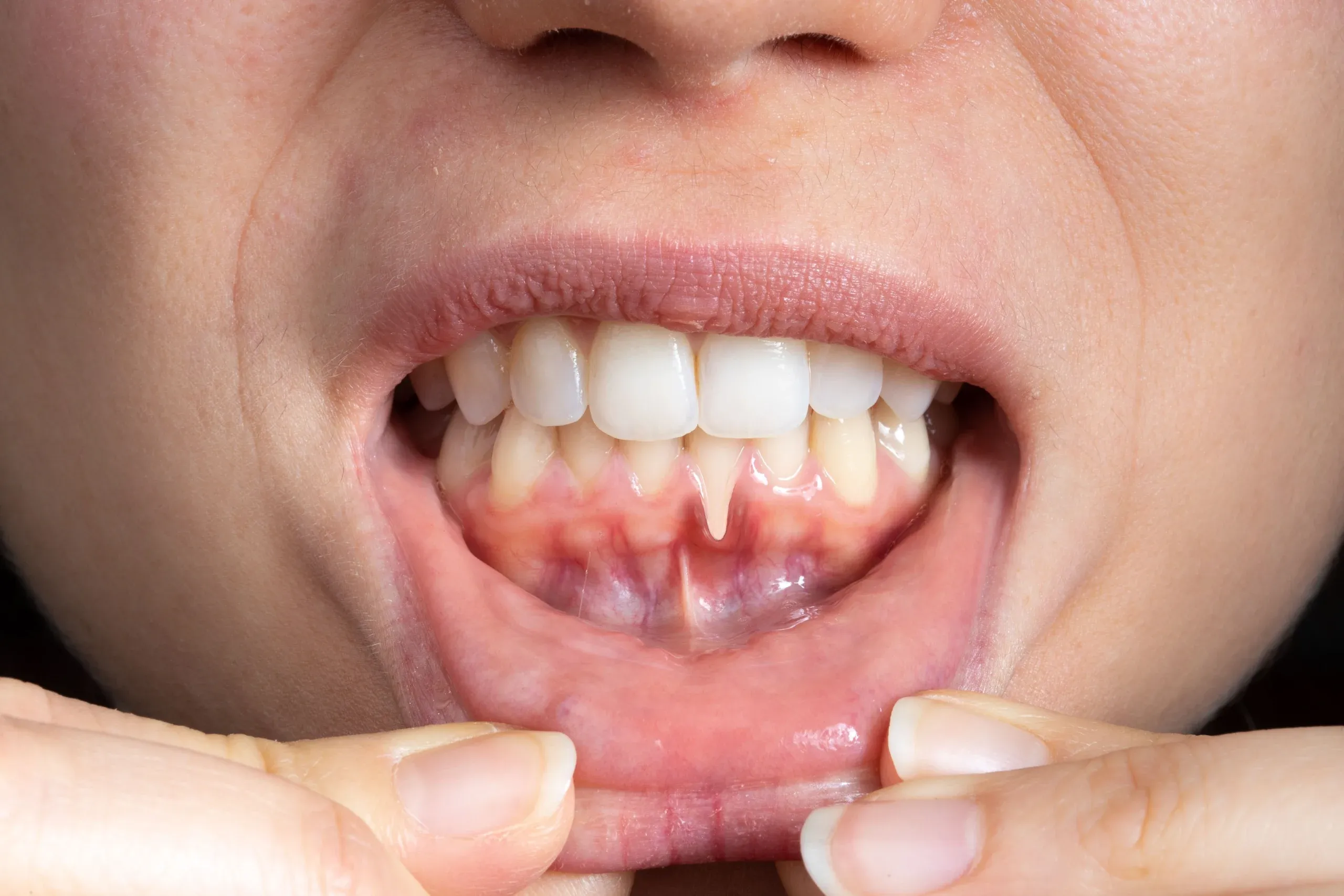
Treatment to Restore the Gumline and Protect Roots
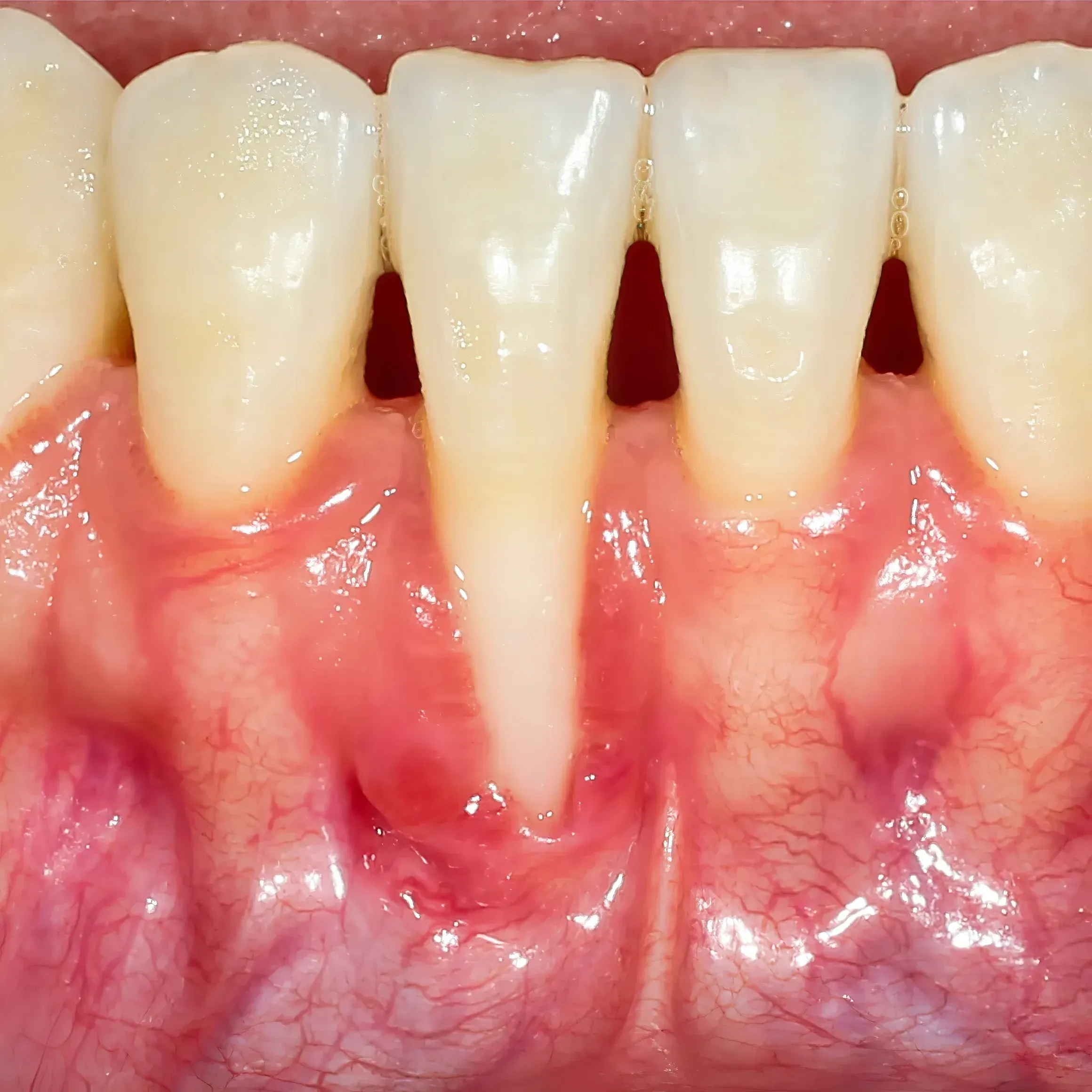
A common concern with real consequences for your teeth
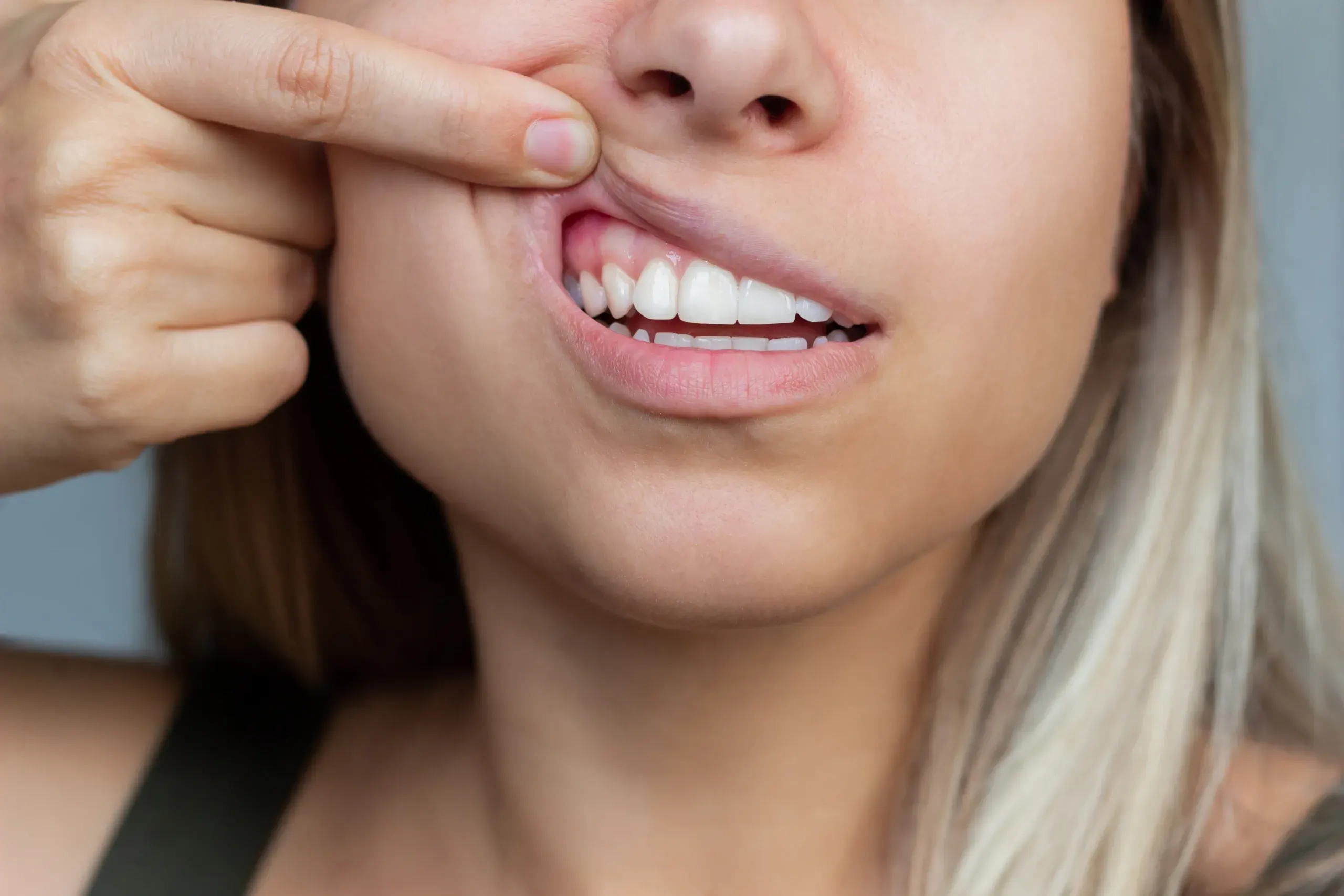
If your teeth look longer than they used to, or you wince when you sip something cold, your gums may be receding. Gum recession is the gradual loss of the soft tissue that protects the roots of your teeth, and it affects adults of every age. Many patients first notice the cosmetic change in the mirror, but the bigger issue is what happens beneath the surface. Exposed roots are softer than enamel, prone to decay, and far more sensitive to temperature and pressure.
At Cook Family Dentistry in Santa Rosa Beach, Dr. Cook evaluates the underlying cause of your recession and recommends a treatment plan that matches the severity. Mild cases may simply need a brushing technique change and a fluoride desensitizer. Moderate to advanced recession often benefits from gum grafting or the pinhole surgical technique to restore the gumline and protect your roots for the long term.
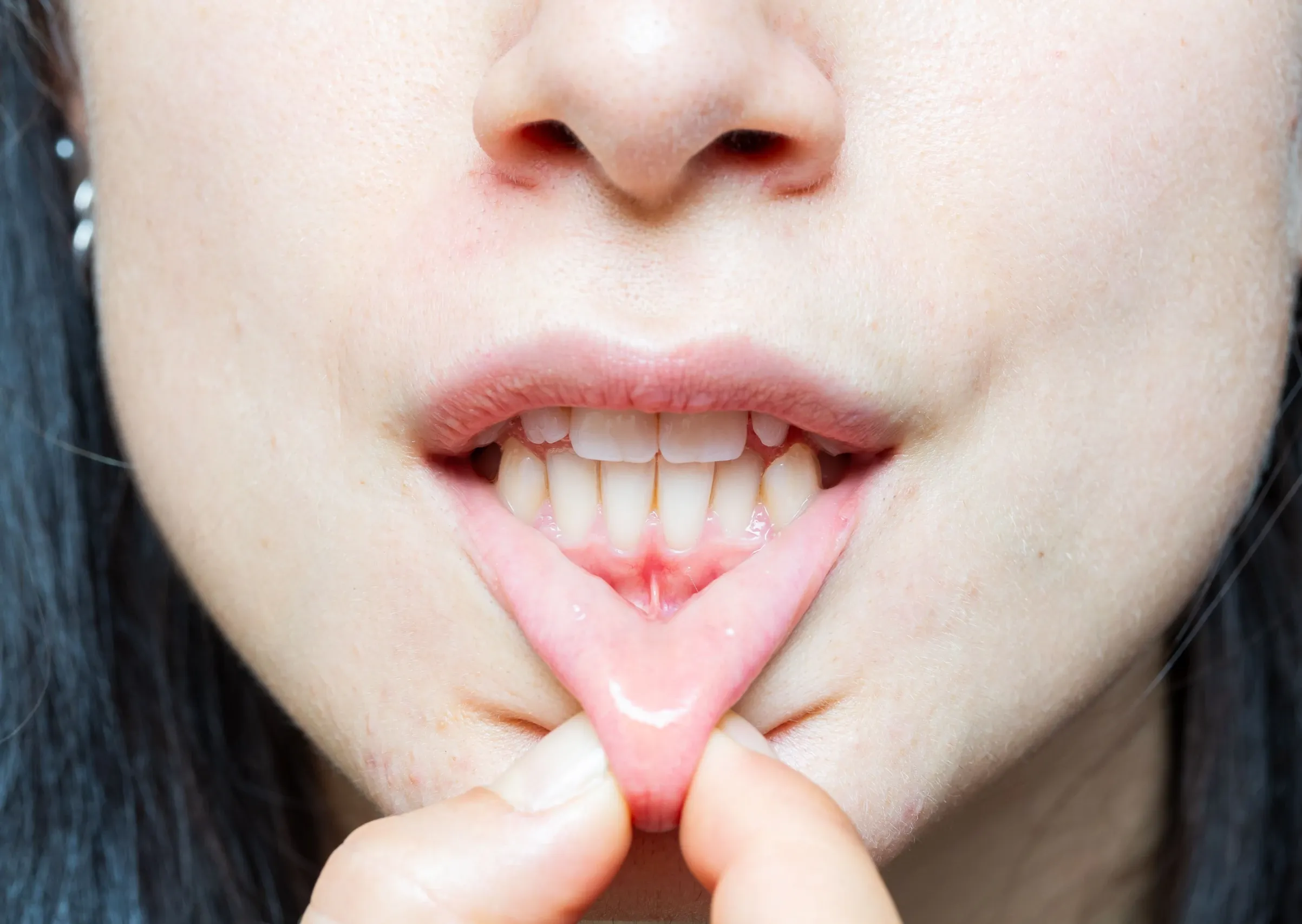
Habits, biology, and bite forces all play a role
Gum recession rarely has a single cause. In most patients, it is the result of several factors working together over many years. The most frequent contributor is mechanical trauma from aggressive tooth brushing, particularly with a hard bristle brush or a sawing motion. The next major driver is periodontal disease, where bacterial infection slowly destroys the tissues that hold gums against the teeth.
Genetics also matter. Some patients are born with thin gum tissue or roots that sit close to the surface, making them prone to recession even with excellent home care. Add in habits like grinding and clenching, orthodontic movement that pushes teeth beyond their bony envelope, smoking, and the cumulative wear of decades, and the gumline begins to retreat. Identifying the right cause is the first step toward stopping the progression.
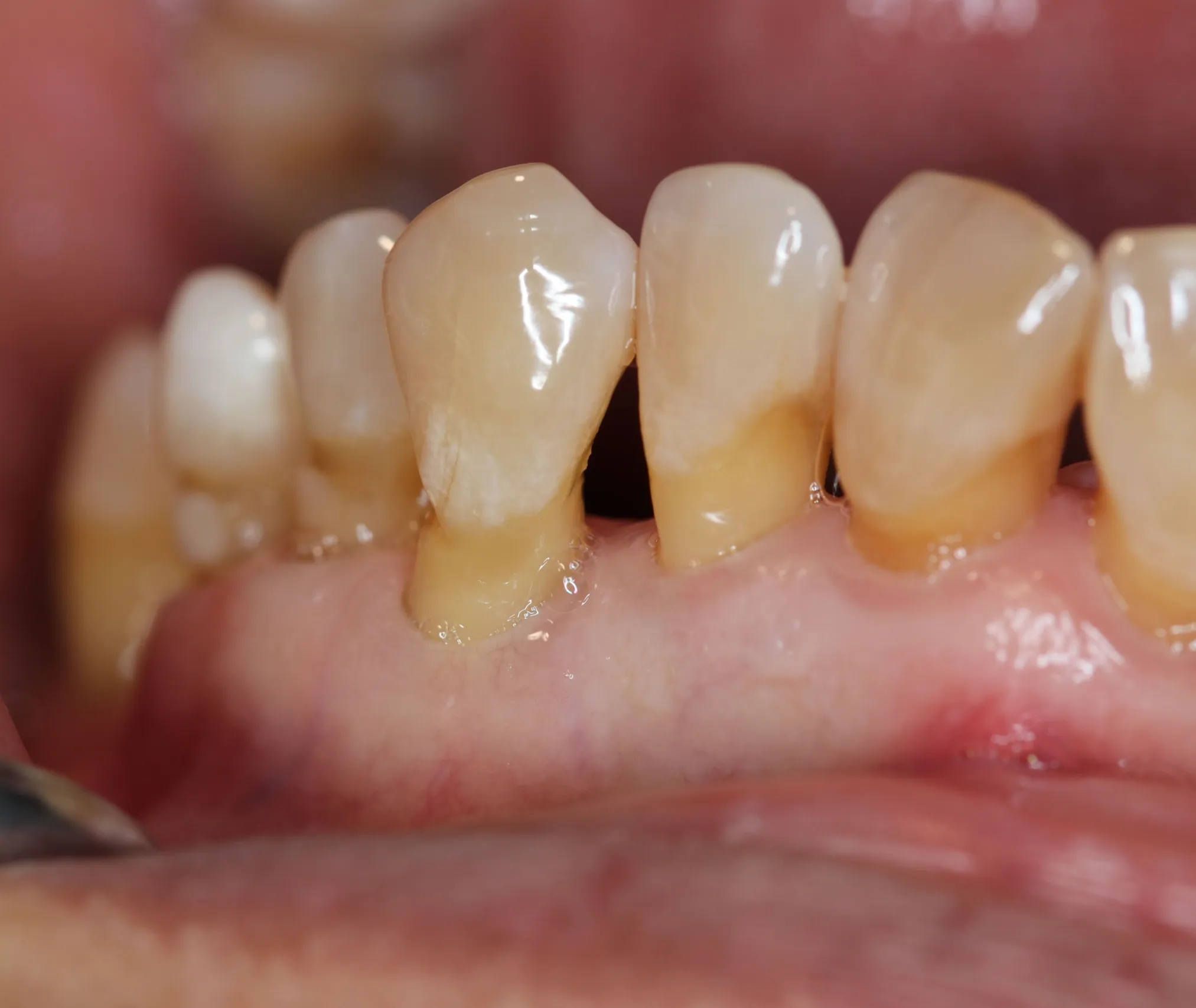
Honest answers about recovery and reversibility
One of the most common questions Dr. Cook hears is whether receded gums will grow back. The honest answer is no, not without help. Once gum tissue is lost, the body does not regenerate it on its own. The good news is that recession can be stopped, and modern dentistry offers several reliable ways to physically rebuild the gumline.
If your recession is caught early, behavior changes alone may be enough to keep things from getting worse. If you already have visible root exposure, treatments like the pinhole surgical technique or traditional gum grafting can cover the roots, reduce sensitivity, and give your smile back its natural proportions. The earlier you act, the more conservative your options.
These factors often work together to thin the gumline
Hard bristles or heavy pressure scrub gum tissue away over time, especially along the canine and premolar areas.
Bacterial infection breaks down the attachment between gums and teeth, allowing the gumline to drop and pockets to form.
Some patients inherit naturally thin gums or prominent roots that recede more easily despite excellent oral hygiene.
Heavy bite forces flex the teeth at the gumline, contributing to recession and notches called abfractions.
Teeth that have been moved outside their supporting bone during orthodontics can develop recession years later.
Decades of wear, tobacco use, and certain piercings or habits gradually thin the gum tissue around the teeth.
Conservative when possible, comprehensive when needed
How conservative care, periodontal support, and gum grafting compare
| Treatment | Best For | Approach | Recovery | Restores Lost Tissue |
|---|---|---|---|---|
| Fluoride Treatment | Mild recession with sensitivity but no major root exposure | Topical fluoride and desensitizer combined with brushing technique coaching | None, return to normal routine the same day | No, prevents further recession and reduces sensitivity only |
| Periodontal Therapy | Recession driven by gum infection or pocketing around the teeth | Scaling and root planing to remove bacteria and help gums reattach | Mild soreness for two to three days, no downtime | No, halts active disease and stabilizes the gumline |
| Gum Grafting | Advanced recession with visible roots, sensitivity, or thin tissue | Donor or connective tissue placed and sutured over exposed roots | One to two weeks of soft diet and gentle brushing | Yes, physically rebuilds tissue and covers exposed roots |
Common signs and symptoms patients notice first
No. Once gum tissue is lost, it does not regenerate naturally. With behavior changes you can prevent further recession, but rebuilding the gumline requires a surgical procedure like the pinhole technique or gum grafting.
Modern treatments are very comfortable. Conservative care involves no procedures at all. Pinhole and grafting procedures are performed with local anesthesia, and most patients describe the recovery as mild soreness for a few days rather than significant pain.
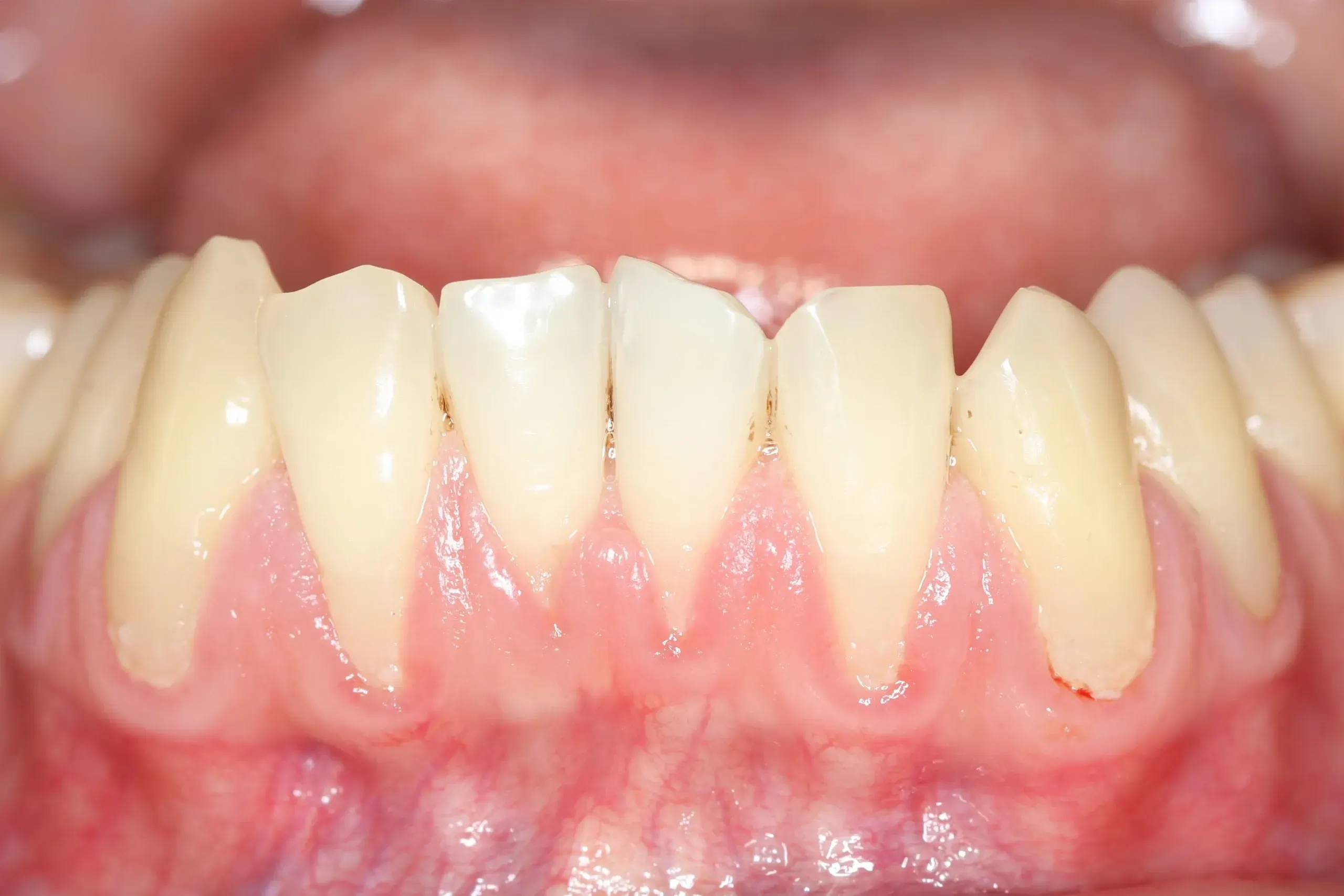
Dr. Cook measures the amount of root exposure on each tooth and checks the surrounding bone. Mild cases show little to no visible root and minimal sensitivity. Advanced cases show clear yellow root surface, notches, and sensitivity to cold or sweets.
Sometimes, yes. If your recession is mild and the main cause is technique, switching to a soft brush and gentle motion may stop the progression. If you already have visible root exposure or pocketing, you will likely need a clinical treatment to truly resolve the problem.
Initial healing takes 1 to 2 weeks, but the final cosmetic and functional results settle in over 2 to 3 months as the tissue matures. Most patients notice less sensitivity within a few weeks of the procedure.
Coverage varies by plan. Periodontal therapy and gum grafting are often partially covered when there is documented disease or sensitivity. Our team will review your benefits with you and provide a clear estimate before any treatment begins.