Coffee, Tea, and Red Wine
Daily dark beverages deposit tannins on enamel that gradually build into visible yellow or brown stains.

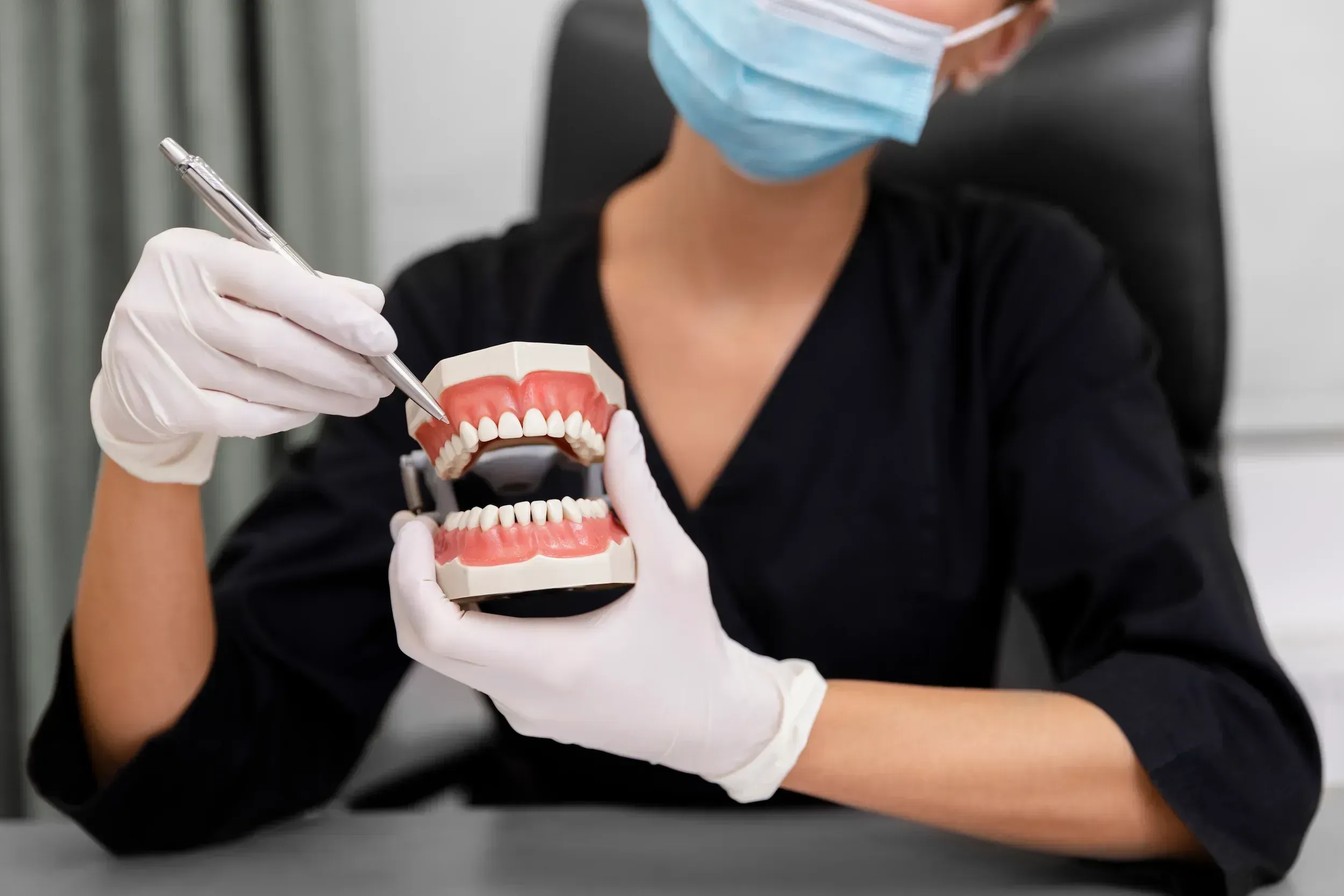
Options for a Brighter Smile at Cook Family Dentistry
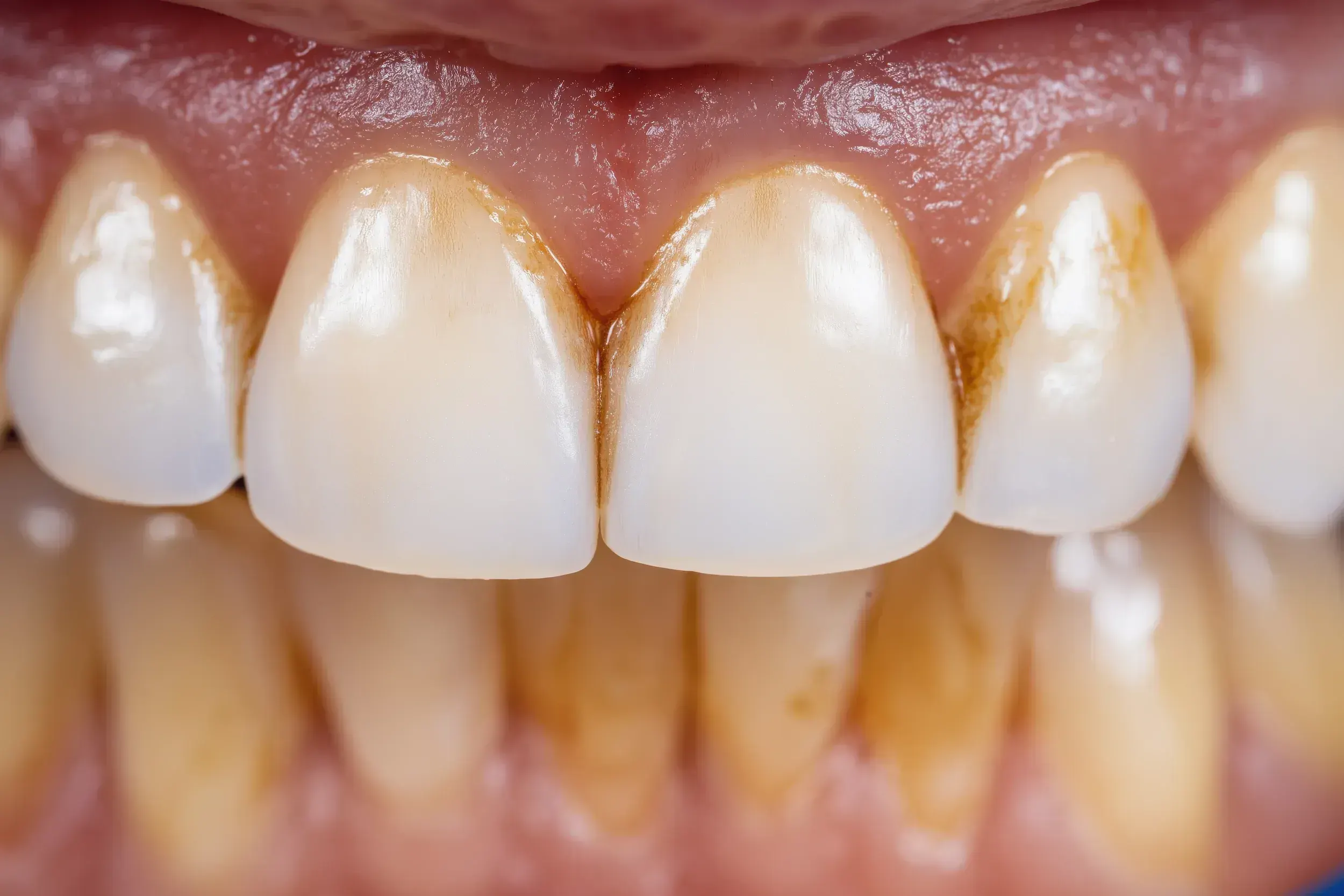
Modern brightening options for every kind of stain
If you find yourself smiling with your lips closed, hiding your teeth in photos, or feeling self-conscious during conversations, you are not alone. Stained or yellow teeth are one of the most common cosmetic concerns we hear about, and they are also one of the most rewarding to fix. A brighter smile can take years off your appearance, boost your confidence, and rarely requires anything invasive.
At Cook Family Dentistry, Dr. Cook helps patients across Santa Rosa Beach, 30A, and the Emerald Coast lift away years of discoloration with safe, evidence-based whitening and cosmetic options. From custom take-home trays to porcelain veneers, there is a path to a brighter smile for every kind of stain.
The first step is a friendly evaluation to identify exactly what is causing your discoloration. Call us at (850) 622-2226 to get started.
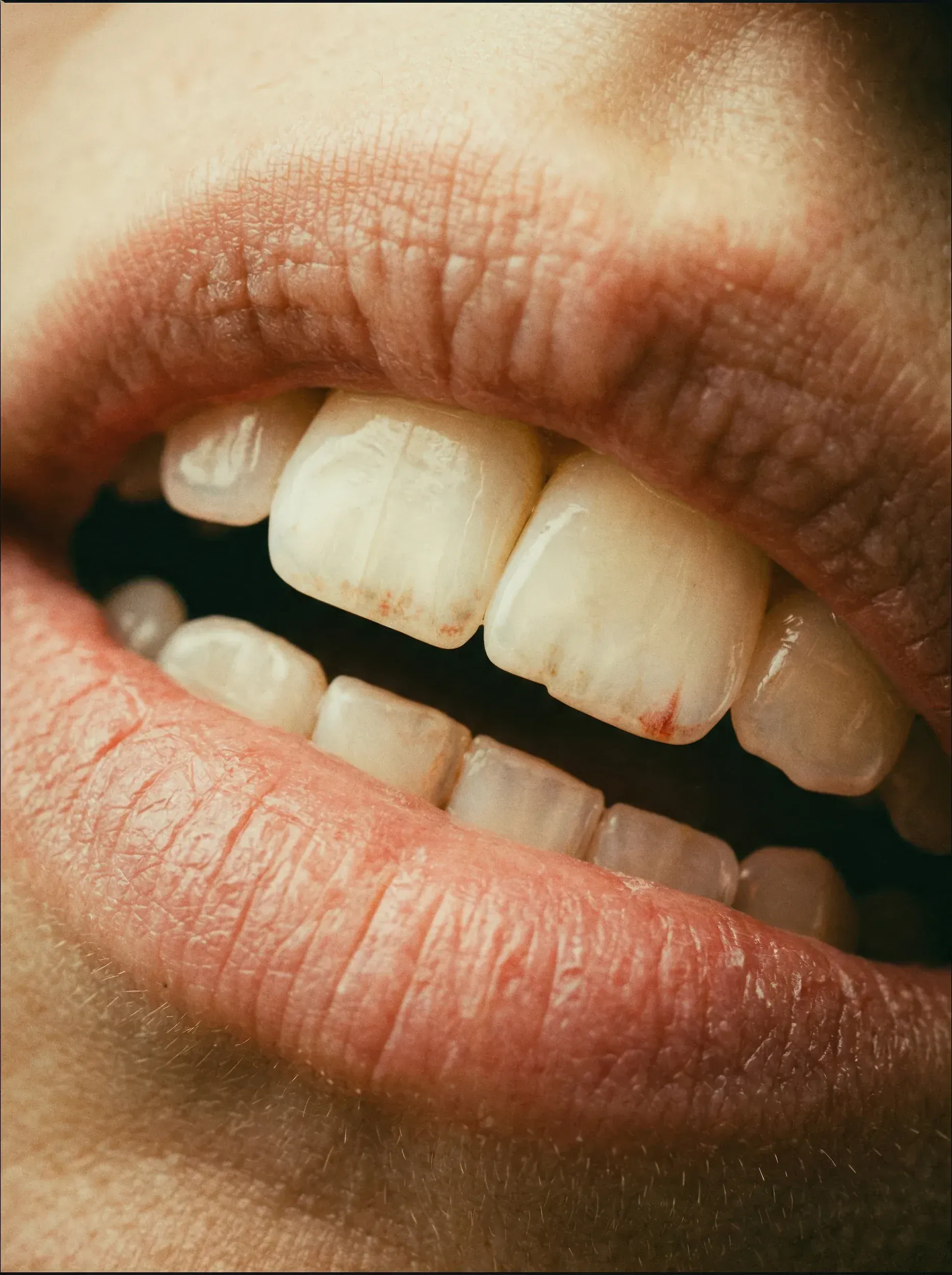
Coffee, wine, aging, and more
Tooth discoloration falls into two broad groups: extrinsic stains on the outside of the enamel, and intrinsic stains that come from within the tooth. Each responds to different treatments, and many patients have a little of both.
Extrinsic stains are the everyday culprits: morning coffee, afternoon tea, red wine with dinner, tobacco, dark sodas, berries, and richly colored sauces. They build up gradually on the surface and respond beautifully to professional whitening. Intrinsic discoloration comes from inside the tooth and includes natural aging (as enamel thins, the yellower dentin shows through), childhood antibiotics like tetracycline, excess fluoride during tooth development (fluorosis), trauma that darkens a single tooth, and certain medications. Intrinsic stains can be more stubborn, and sometimes veneers or bonding give a better, faster result than whitening alone.
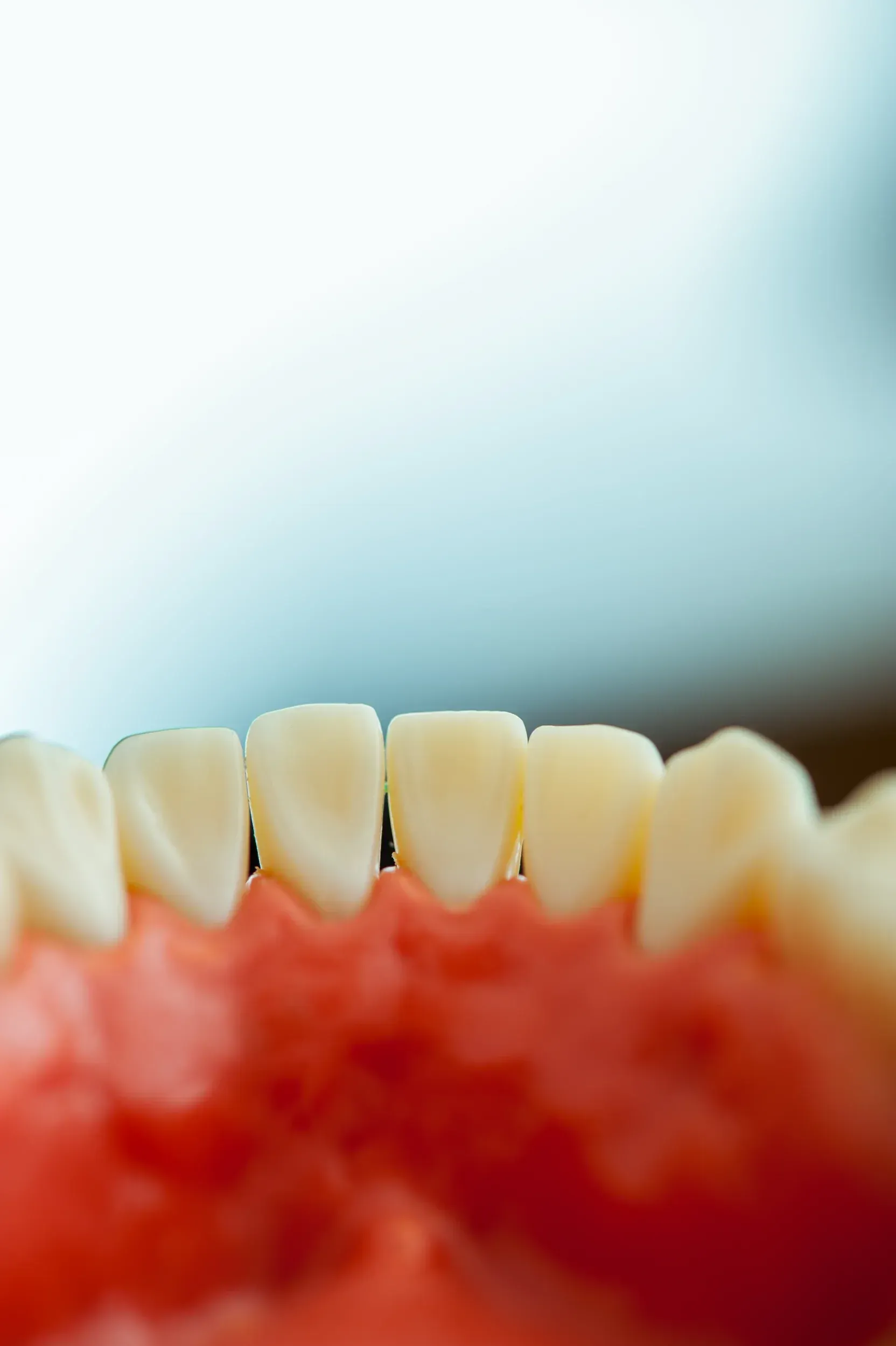
From overall yellow to white spots and dark bands
Knowing what kind of discoloration you have helps Dr. Cook recommend the right brightening path. Overall yellow or dull teeth usually come from a combination of staining beverages and natural aging, and they respond very well to whitening. Brown or gray stains often signal heavier coffee, tea, or tobacco exposure, and can lighten significantly with custom trays. White spots or chalky patches may be early decalcification or mild fluorosis, and are often treated with bonding, MI Paste, or veneers. A single dark tooth may have suffered past trauma or need internal whitening, and warrants a focused evaluation. Dark bands or stripes from tetracycline taken in childhood typically need veneers, since the stain sits deep inside the dentin.
The good news is that every one of these patterns has a proven, comfortable solution. The first step is just to look at what you have.
What we see most often at our 30A practice
Daily dark beverages deposit tannins on enamel that gradually build into visible yellow or brown stains.
Cigarettes, cigars, and chewing tobacco leave persistent yellow-brown discoloration that is very hard to remove with brushing alone.
Enamel thins over time and the underlying yellow dentin becomes more visible, making teeth look darker by your 30s and 40s.
Certain antibiotics taken during tooth development can leave permanent gray, brown, or banded discoloration inside the tooth.
Too much fluoride during childhood can create white spots, mottling, or chalky patches in the enamel.
An injury that damages the pulp can cause a single tooth to darken to gray, brown, or pink over time.

Honest guidance, real results, and gentle care
Teeth Whitening vs Veneers vs Tooth-Colored Fillings
| Treatment | Best For | Time to Result | Typical Lifespan | Offered at Cook |
|---|---|---|---|---|
| Teeth Whitening | Overall yellow or brown extrinsic stains from coffee, tea, wine, and aging | About 2 to 3 weeks of nightly wear with custom trays | Months to years with simple gel touch-ups | Yes, custom take-home trays with Dr. Cook |
| Veneers | Deep intrinsic stains, tetracycline bands, fluorosis, and full smile reshaping | Two visits over about 2 weeks | About 10 to 15 plus years | Yes, porcelain veneers planned by Dr. Cook |
| Tooth-Colored Fillings | White spots, small chips, and localized cosmetic touch-ups using composite bonding | Usually one visit, 30 to 60 minutes per tooth | About 5 to 10 years with proper care | Yes, same-visit bonding with Dr. Cook |

If any of these feel familiar, a quick consult can help
Daily brushing removes plaque but does very little to lift stains that have absorbed into the enamel. Coffee, tea, red wine, tobacco, and even the natural thinning of enamel with age can darken teeth over time. Professional whitening uses a peroxide gel that penetrates the enamel to break up these deeper stain molecules, something toothpaste cannot do.
Most extrinsic stains from coffee, tea, wine, and aging respond very well to professional whitening. However, intrinsic stains from tetracycline antibiotics, fluorosis, or trauma can be much harder to lift with whitening alone. In those cases, porcelain veneers or bonding usually give a faster, more predictable, and longer-lasting result. Dr. Cook will tell you honestly which option fits your situation best.
Yes. Professional whitening gels have been studied extensively and are safe when used as directed. The peroxide briefly opens microscopic pores in the enamel to release stain molecules, then the enamel remineralizes naturally. Some patients feel temporary sensitivity, which usually resolves within a day or two and can be managed with fluoride or sensitivity toothpaste.
With custom trays and good habits, results often last a year or more. Patients who drink coffee, tea, or wine daily may need a short touch-up every six to twelve months. Custom trays make touch-ups easy because you already have the trays, and you only need a fresh tube of gel.
Whitening only lifts the shade of natural enamel, not existing crowns, veneers, fillings, or bonding. If you plan to whiten and also have visible restorations, we usually whiten first, then match new restorations to the brighter shade. Dr. Cook will create a plan that keeps your smile uniform.
Over-the-counter strips are inexpensive but often produce limited, uneven results and can irritate the gums. Custom-tray professional whitening costs more upfront but uses prescription-strength gel and a tray molded to your teeth, which delivers more dramatic, even results that last longer. We will review pricing and any insurance benefits at your consultation.