Pit and Fissure Cavities
The most common type of decay in children and teens

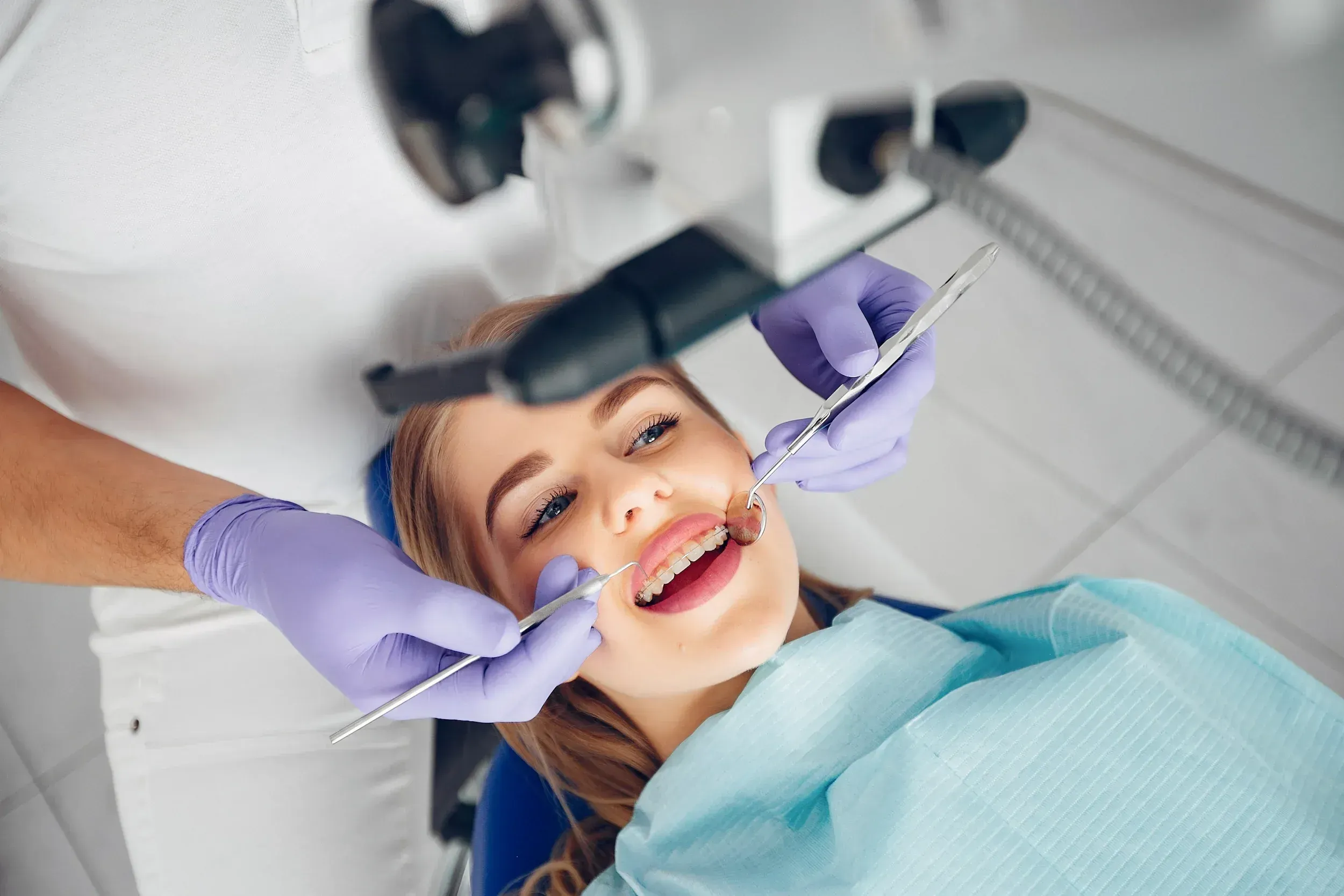
Dental Sealants in Santa Rosa Beach, FL: Cavity Protection for Children and Adults
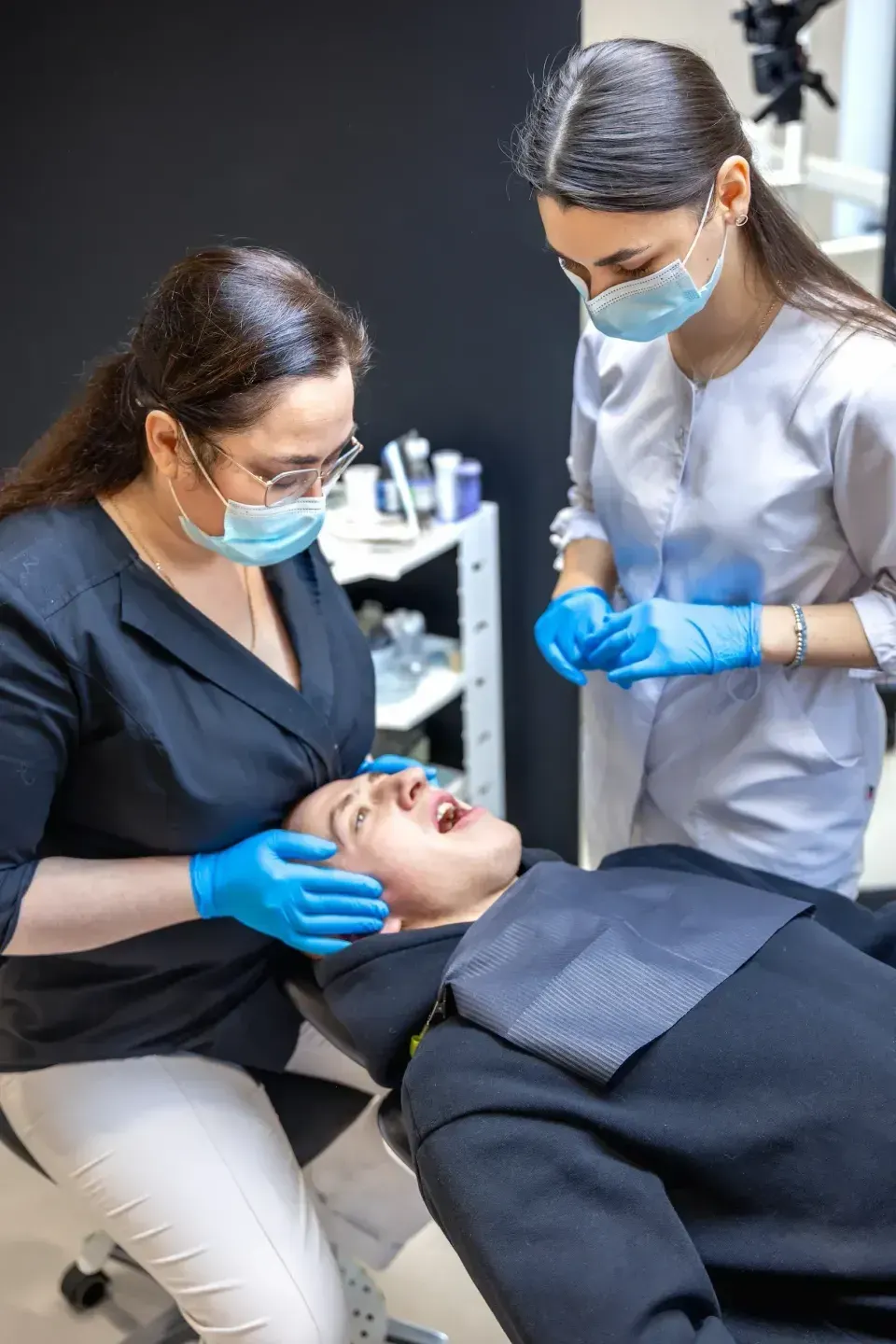
Protecting smiles in Santa Rosa Beach, Seaside, WaterColor
Most cavities in children and teens form on the chewing surfaces of the back molars. These teeth have deep grooves and pits that toothbrush bristles simply cannot reach, no matter how carefully your child brushes. Food particles and plaque settle into those crevices and slowly weaken the enamel from the inside out.
Dental sealants solve that problem. A thin, tooth-colored resin is painted into the grooves and hardened with a curing light, forming a smooth, protective shield. Cleaning becomes easier, bacteria stay out, and the tooth stays strong. It is one of the most effective preventive treatments in modern dentistry.
Good to Know
A protective resin coating bonded to the chewing surfaces of back teeth
Dental sealants are thin, plastic-based coatings that bond directly to the enamel of the chewing surfaces of premolars and molars. Once applied, they create a smooth barrier that fills in the deep pits and fissures where cavities most often start. Sealants have been used safely in dentistry for more than 40 years and are recommended by the American Dental Association and the CDC.
The science is simple. Back teeth have natural grooves that can be narrower than a single toothbrush bristle. Plaque, food, and acid-producing bacteria collect inside, slowly demineralizing the enamel. A sealant flows into those grooves as a liquid resin and then hardens into a solid shield, blocking out the substances that cause decay while leaving the tooth structure untouched.
Sealants are most often placed on a child's first permanent molars (around age 6) and second permanent molars (around age 12), right after they erupt. Adults with deep grooves or a history of cavities can benefit from them too. The process is completely painless, requires no drilling, and no anesthesia is needed.
Each tooth takes only 5 to 10 minutes with no anesthesia, and protection begins the moment the sealant is cured. Here's what to expect before, during, and after your visit.
From baby molars to adult teeth with deep grooves
The most common type of decay in children and teens
Grooves too narrow for toothbrush bristles to clean
Weakening enamel before a visible cavity forms
Kids with prior decay or limited fluoride exposure
Molars with naturally pronounced anatomy
Reducing the chance of needing fillings later
Dental sealants from Cook Family Dentistry provide a powerful, painless shield against cavities - protecting your child's molars for years with a single quick appointment.






Studies show sealants can cut decay risk by about 80 percent in protected teeth
The entire visit takes only a few minutes and no shots are needed
Often covered by dental insurance for children and far less than treating a cavity later
A single application can shield teeth for 5 to 10 years with routine care
No drilling and no removal of healthy enamel during placement
Smoother surfaces make brushing and flossing more effective
Comparing dental sealants against fluoride varnish and no added protection to show why sealants are the gold standard for preventing cavities in deep grooves.
| Treatment | How It Works | Best For | Cavity Risk Reduction | How Long It Lasts | Comfort Level | Notes |
|---|---|---|---|---|---|---|
| Dental Sealants (Cook Family Dentistry) | Physical barrier in grooves | Deep-groove back molars | Up to 80% reduction | 5 - 10 years/application | Painless, no anesthesia | Best for cavity-prone teeth |
| Fluoride Varnish | Chemically strengthens enamel | All tooth surfaces | 25 - 40% reduction | 3 - 6 months/treatment | Painless, brush-on | Good complement to sealants |
| No Added Protection | Relies on brushing only | Low-risk, shallow anatomy | No extra defense | Not applicable | Not applicable | Higher cavity risk |
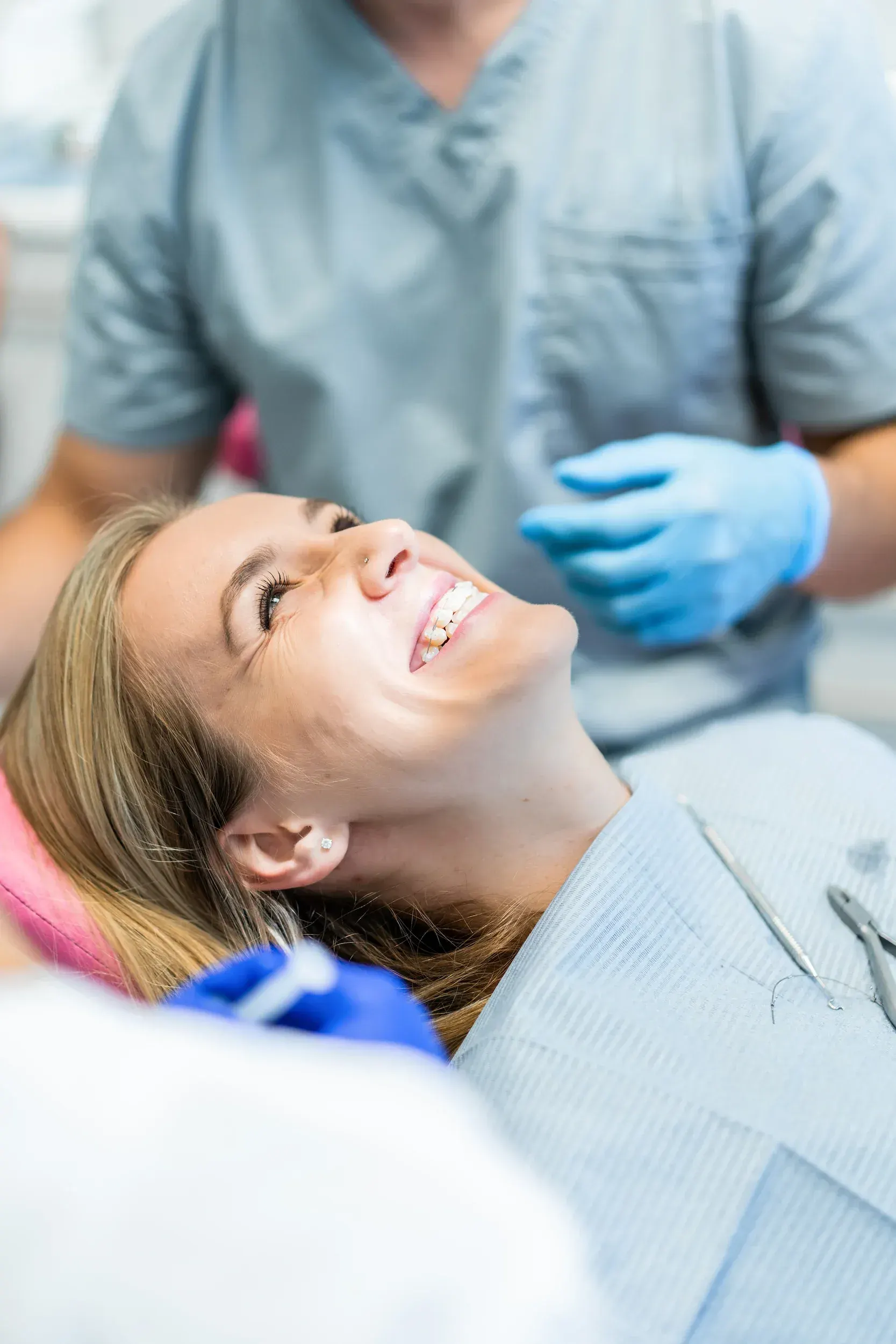
Dental sealants are a great fit for almost any patient with healthy back teeth that have not yet developed cavities. They work best when applied soon after the teeth erupt.
During your visit, Dr. Cook will examine each tooth and recommend sealants only where they will provide real, lasting protection.
The entire sealant application is quick, comfortable, and completely painless - typically five to ten minutes per tooth with no drilling or anesthesia required.
Dr. Cook gently cleans the tooth with a polishing brush to remove plaque and debris from the grooves.
The tooth is kept dry using cotton rolls or an isolation device so the sealant bonds properly to the enamel.
Dr. Cook applies a mild etching gel for a few seconds to create a microscopic texture that helps the sealant adhere.
The tooth-colored resin is painted carefully into every pit and fissure on the chewing surface.
A safe blue curing light hardens the sealant in about 20 seconds, locking the protective shield into place.
A well-studied, low-risk preventive treatment
Side effects are uncommon and usually minor. Some patients may notice a temporary change in bite if a sealant feels slightly high; this is easy to adjust at the visit or at the next cleaning. Sealants do not weaken the tooth or cause discomfort.
True allergic reactions to dental resin are rare but can occur in patients with known sensitivities. Sealants have been used since the 1970s and are recognized as safe and effective by the American Dental Association, the American Academy of Pediatric Dentistry, and the CDC.
We always review your medical history first, so tell us about any known resin sensitivities. At every six-month checkup, Dr. Cook will inspect each sealant and reapply or repair any that have worn down; contact Cook Family Dentistry if you notice an unusual or worsening reaction.
Sealants are one of the most affordable preventive investments available, and most insurance plans cover them fully for children and teens.
Dental sealants are one of the most cost-effective preventive treatments available. At Cook Family Dentistry, sealants typically range from $40 to $70 per tooth, with the final fee depending on how many teeth are treated and which surfaces need protection.
The good news for families: most dental insurance plans cover sealants for children and teens, often at 80 to 100 percent. Many plans cover them through age 14 or 16, and some cover sealants for adults at higher cavity risk. Our front-office team will check your benefits before your appointment and provide a clear estimate of any out-of-pocket cost.
To put the value in perspective, a single sealant costs a fraction of what a filling, crown, or root canal would cost on that same tooth years later. Investing in prevention today protects your child's smile and your family budget tomorrow.
We believe cost should never stand between you and protecting your family's smiles. We offer:
Gentle preventive care from a team that treats you like neighbors
Book NowPatient, gentle visits that build lifelong comfort with the dentist
Dr. Cook is a Fellow of the Academy of General Dentistry and Dawson Academy
Intra-oral cameras let kids and parents see the grooves we are protecting
Trusted by Santa Rosa Beach, Seaside, WaterColor, and Inlet Beach families since 2010
CareCredit and Kleer Membership Plan available so prevention never has to wait due to cost
Sealants can often be applied at the same appointment as a cleaning or exam to save you an extra trip
Pair sealants with other preventive and restorative care for full-smile protection.
View All ServicesProfessional teeth cleaning in Santa Rosa Beach, FL. Gentle cleanings and dental exams to keep your smile healthy. Book today.
Learn moreEmergency dentist in Santa Rosa Beach, FL. Same-day care for tooth pain, broken teeth, and dental emergencies. Call today.
Learn moreDental fillings in Santa Rosa Beach, FL at Cook Family Dentistry. Durable, comfortable tooth-colored repair for cavities and decay. Call today.
Learn moreDental crowns in Santa Rosa Beach, FL. Custom crowns that protect and restore a damaged tooth. Book today.
Learn moreWe typically recommend sealants as soon as the first permanent molars erupt, around age 6, and again when the second permanent molars come in around age 12. Sealing the teeth right after they erupt offers the strongest protection during the most cavity-prone years.
Not at all. There is no drilling, no shots, and no removal of tooth structure. Most kids say the visit feels just like another part of a cleaning. The whole process takes only a few minutes per tooth.
Most sealants last between 5 and 10 years. Dr. Cook checks each sealant at your routine cleanings and can quickly repair or reapply any that have worn down, keeping protection in place for as long as it is needed.
Yes. Adults with deep grooves on their back teeth, a history of cavities, or limited access to fluoridated water can benefit from sealants. Dr. Cook will evaluate each tooth and recommend sealants where they make a meaningful difference.
Modern dental sealants are considered safe by the American Dental Association and the CDC. Any trace exposure to BPA from sealants is far below daily exposure from common foods and packaging. Sealants are a well-studied preventive treatment used for over 40 years.
No. Sealants protect the chewing surfaces of the back teeth, but the rest of each tooth still needs daily care. We coach kids on great brushing habits, fluoride toothpaste use, and flossing so the whole smile stays healthy.
Most dental insurance plans cover sealants for children and teens, often at a high percentage. Adult coverage varies. Our front desk will verify your benefits before your visit and give you a clear estimate of any out-of-pocket cost.