Hidden Cavities
Decay between teeth and beneath existing fillings

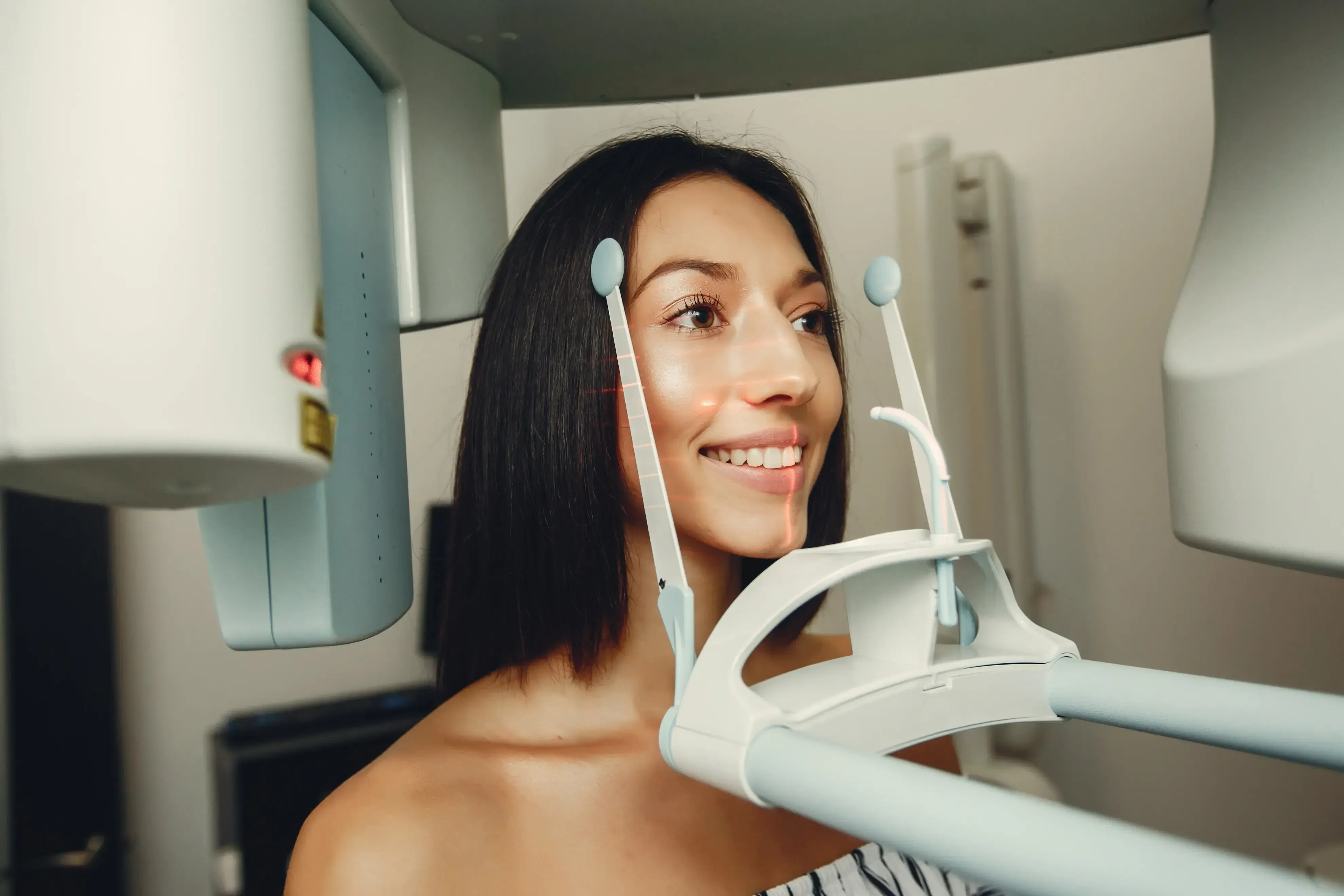
Low-radiation digital imaging that helps Dr. Cook see what a visual exam alone cannot.
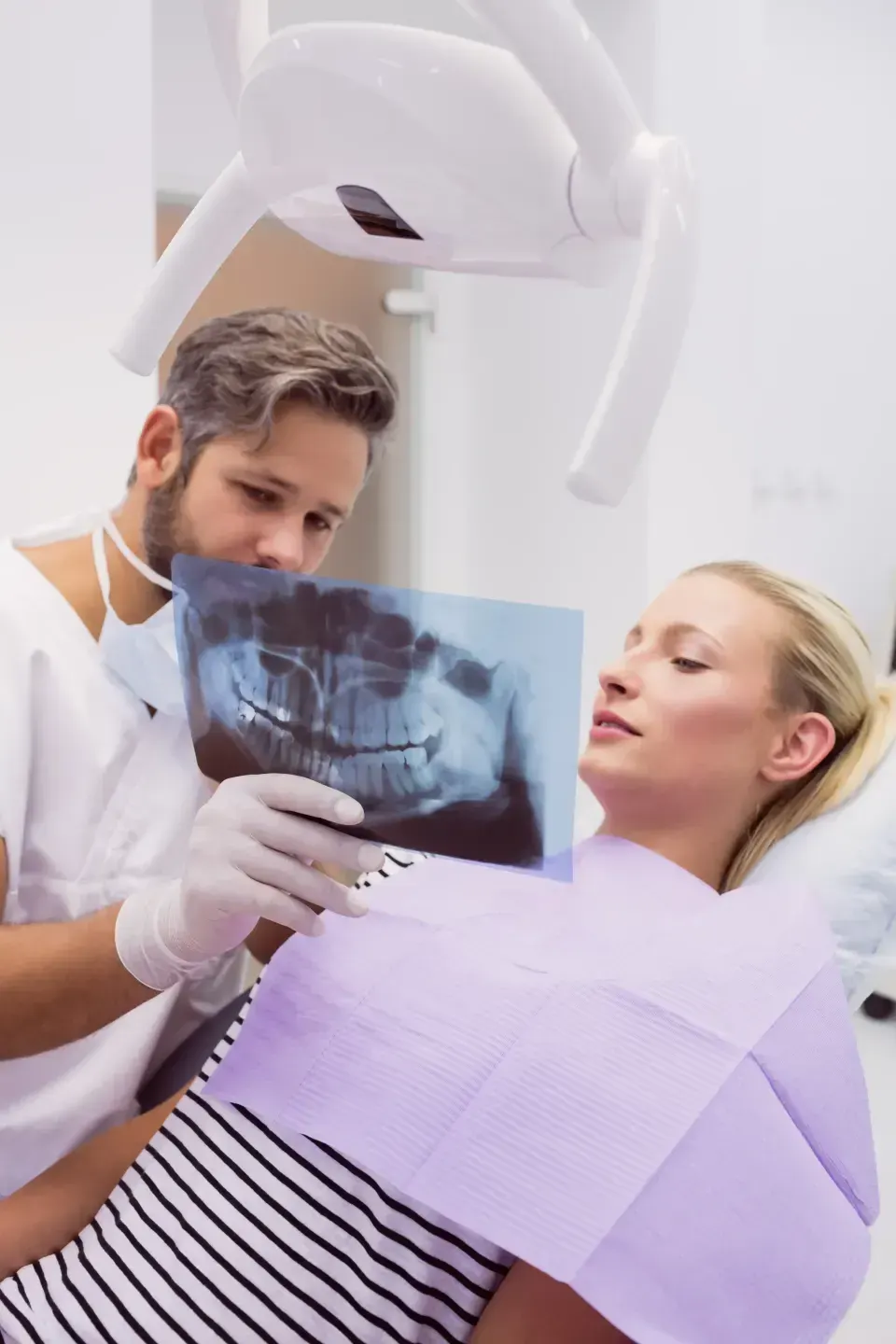
Modern imaging helps Dr. Cook plan gentler, more accurate care.
A standard exam shows the surfaces of your teeth and gums, but most dental issues start out of sight. X-rays reveal what is happening between teeth, beneath fillings, around tooth roots, and inside the jawbone. That includes small cavities, infections, bone loss, impacted wisdom teeth, cysts, and the position of nerves before surgery. With this information, Dr. Cook can recommend the least invasive treatment at the right time, often saving you discomfort, time, and money.
At Cook Family Dentistry we use fully digital sensors and CBCT 3D imaging instead of traditional film. Images appear on the chairside monitor within moments, so we can review them together, point out what we see, and answer your questions before any treatment is planned. Digital sensors capture sharper detail at much lower radiation doses, and the images become part of your secure record so we can track changes year over year.
Good to Know
A safe, painless way to see inside teeth, gums, and bone.
A dental X-ray is a diagnostic image that uses a very small amount of radiation to capture what is happening below the surface of your teeth and gums. The energy passes through soft tissue and is absorbed by denser structures like enamel and bone, creating a detailed picture that reveals cavities, infections, bone changes, impacted teeth, and the position of nerves and sinuses.
At Cook Family Dentistry we use digital sensors instead of film. The sensor sends the image directly to our chairside computer in seconds, eliminating chemical processing and reducing radiation by roughly 70 to 90 percent compared to traditional film. For complex cases such as dental implants, root canals, and oral surgery, our in-office CBCT scanner produces a true 3D view of your jaw, sinuses, and nerve pathways in a single short scan.
Common types of dental X-rays we use:
Most images take just a few minutes to capture and appear instantly on the chairside monitor for review. Here's what to expect during your X-rays.
Imaging guides accurate diagnosis and gentler treatment plans.
Decay between teeth and beneath existing fillings
Pockets of infection at the root tip or in bone
Early signs of periodontal disease around the teeth
Wisdom teeth and teeth blocked beneath the gum
Bone height, width, and nerve location for surgery
Root fractures, dislodged teeth, and hidden damage
Digital X-rays at Cook Family Dentistry deliver fast, precise diagnostics with a fraction of the radiation of traditional film - keeping your visit safe, efficient, and comfortable.






Digital sensors use 70 to 90 percent less radiation than film
Images appear on screen in seconds, no waiting for processing
High-resolution images reveal tiny changes early
Securely sent to specialists or insurance when needed
No chemicals, film, or hazardous waste involved
Slim, rounded edges are gentler than rigid film packets
Comparing digital X-rays against traditional film and no imaging so you can see the clear advantage of modern diagnostic technology.
| Treatment | Radiation Exposure | Image Availability | Diagnostic Detail | Environmental Impact | Easy Sharing | Notes |
|---|---|---|---|---|---|---|
| Digital X-Rays (Cook Family Dentistry) | 70 - 90% less than film | Instant on screen | High-res, zoomable | No chemicals or waste | Emailed in seconds | Preferred standard |
| Traditional Film X-Rays | Standard film dose | 5 - 10 min processing | Good, limited adjustment | Chemical and foil waste | Physical copies only | Older technology |
| No Imaging | None | Not applicable | Visual exam only | None | Not applicable | Hidden issues missed |
Dental X-rays are appropriate for almost every patient, with the type and frequency tailored to age, risk factors, and what Dr. Cook needs to diagnose or plan.
Lead aprons and thyroid collars are always available, and Dr. Cook will explain exactly why each image is recommended before any X-ray is taken.
A quick, comfortable process that takes just a few minutes - images appear on screen instantly so Dr. Cook can review findings with you right away.
Dr. Cook reviews your medical history, recent imaging, and reason for the visit to decide which X-rays are truly needed.
Our team places a lead apron and thyroid collar over you as a precaution, even though digital doses are very low.
A slim digital sensor is positioned, or the panoramic and CBCT scanner rotates briefly around your head, capturing each image in seconds.
Images appear on the chairside monitor within moments, where Dr. Cook walks you through what each one shows.
Findings are paired with intra-oral camera photos and your exam to build a clear, conservative plan tailored to you.
Modern digital imaging exposes you to a very small, well-studied dose of radiation.
Dental X-rays are one of the safest forms of medical imaging. A set of digital bitewings delivers roughly the same radiation you would receive from a few days of normal background exposure, and our digital sensors reduce that dose by 70 to 90 percent compared to film.
We follow the ALARA principle (As Low As Reasonably Achievable) and shield every patient with a lead apron and thyroid collar to keep the already very low exposure to the absolute minimum needed for a confident diagnosis.
Pregnant patients are typically not imaged unless an urgent problem outweighs the very low risk, and children receive child-sized sensors and reduced settings. If you have concerns about radiation, sensor-covering allergies, or claustrophobia in the CBCT scanner, please let our team know.
Transparent X-ray pricing with most routine imaging covered by insurance and bundled into new patient exams.
The cost of dental X-rays depends on which images Dr. Cook needs to make a confident diagnosis. Most routine imaging is partially or fully covered by dental insurance once per year. We will verify your benefits before your visit and explain any out of pocket cost in plain language.
For new patients, a standard X-ray set is often bundled with your comprehensive exam and cleaning. Call our Santa Rosa Beach office at (850) 622-2226 for current pricing and to confirm what your insurance covers.
We believe cost should never stand between you and a complete picture of your oral health. We offer:
Trusted imaging from a Dawson Academy Fellow with deep roots.
Book NowDigital sensors and CBCT 3D imaging for clear, low-dose results
We follow As Low As Reasonably Achievable safety standards
Images and intra-oral photos reviewed with you in real time
Gentle technique tailored to children, teens, and adults
CareCredit and Kleer Membership Plan available so imaging costs never get in the way of a complete diagnosis
Digital images are ready instantly and shared electronically with specialists the same day if a referral is needed
Explore the services Dr. Cook most often recommends alongside dental imaging.
View All ServicesProfessional teeth cleaning in Santa Rosa Beach, FL. Gentle cleanings and dental exams to keep your smile healthy. Book today.
Learn moreEmergency dentist in Santa Rosa Beach, FL. Same-day care for tooth pain, broken teeth, and dental emergencies. Call today.
Learn moreDental fillings in Santa Rosa Beach, FL at Cook Family Dentistry. Durable, comfortable tooth-colored repair for cavities and decay. Call today.
Learn moreDental crowns in Santa Rosa Beach, FL. Custom crowns that protect and restore a damaged tooth. Book today.
Learn moreMost healthy adults need bitewings every 12 to 24 months and a full mouth or panoramic image every 3 to 5 years. Patients at higher risk for cavities or gum disease may need imaging every 6 to 12 months. Dr. Cook tailors the schedule to your individual history rather than a one size fits all rule.
Yes. Digital dental X-rays use about 70 to 90 percent less radiation than traditional film and are considered one of the safest forms of medical imaging. We follow the ALARA principle and always provide a lead apron and thyroid collar.
We typically postpone non-urgent X-rays during pregnancy. If a dental emergency requires imaging, we use the lowest possible dose, full shielding, and only the images absolutely needed. Always tell our team if you are pregnant or may be pregnant.
Traditional X-rays give us a 2D image of teeth and bone. A CBCT scan produces a true 3D view of your jaw, sinuses, and nerves in a single short scan. Dr. Cook uses CBCT mainly for dental implants, complex root canals, impacted wisdom teeth, and surgical planning.
Most dental insurance plans cover bitewings once per year and a panoramic or full mouth series every 3 to 5 years. Our team will verify your benefits before your appointment and let you know any expected out of pocket cost in advance.
No. The sensor is rested gently against the inside of your cheek or tongue for just a few seconds per image. Most patients find digital sensors more comfortable than older film, and we offer kid-sized sensors for our youngest patients.