Pain and Pressure
Aching jaw, headaches, or pressure from erupting third molars


Comfortable removal of impacted or problem third molars at Cook Family Dentistry.
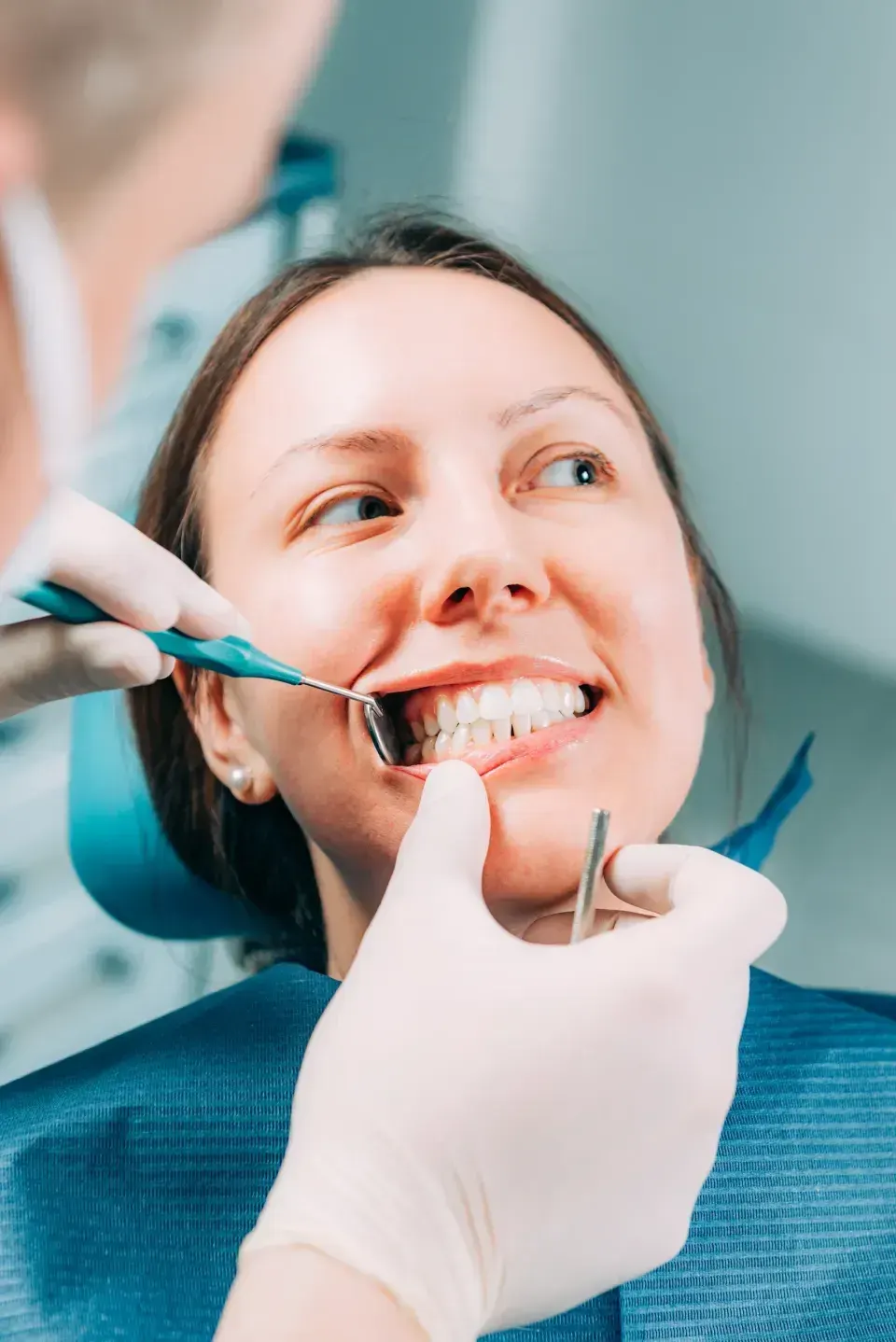
Third molars cause more problems than they solve for most adults.
Wisdom teeth (your third molars) usually try to erupt between the late teens and mid twenties. Modern jaws are smaller than our ancestors' jaws, so there is often not enough room for them to come in straight. The result is pain, crowding of the front teeth, gum infections, decay in nearby molars, or cysts that quietly damage the jawbone.
At Cook Family Dentistry, every wisdom teeth case starts with a thorough exam, panoramic x-rays, and CBCT 3D imaging when needed to map the position of each tooth and the nearby nerve. Dr. Cook handles non-impacted and mildly impacted cases comfortably in our office. For full bony impactions or teeth very close to the inferior alveolar nerve, he will refer you to a trusted local oral surgeon for the safest care.
Good to Know
A planned surgical removal of one to four third molars.
Wisdom teeth removal is the planned extraction of one or more third molars, the last set of teeth at the back of the mouth. At Cook Family Dentistry, Dr. Cook removes wisdom teeth that are fully erupted or only partially impacted right here in the office. For complex full bony impactions or roots close to the inferior alveolar nerve, he partners with a trusted oral surgeon so you always receive the safest level of care.
Before any extraction, Dr. Cook reviews your medical history, takes panoramic x-rays, and uses CBCT 3D imaging to see each tooth in three dimensions and map the nearby nerve. He walks you through which teeth need to come out, why, and what your anesthesia options look like. Most patients choose local anesthesia with nitrous oxide or oral conscious sedation so the visit feels calm and easy.
The best window for wisdom teeth removal is typically between ages 16 and 25, before the roots are fully formed and the bone is still flexible. Early removal generally means a smoother procedure and a quicker recovery. Adults can absolutely have wisdom teeth removed too, especially when pain, infection, or crowding is already happening.
Removal of 1 to 4 teeth takes 45 to 90 minutes, with the first few days of recovery followed by full healing over 4 to 6 weeks. Here's what to expect before, during, and after your procedure.
Removal protects the rest of your smile and your overall health.
Aching jaw, headaches, or pressure from erupting third molars
Pericoronitis, swelling, and recurring gum infections around the tooth
Pressure on neighboring teeth that can shift your smile
Cavities or harm to the second molar from a tilted wisdom tooth
Fluid filled sacs that can quietly damage the jawbone
Removing third molars before or after aligner or braces treatment
Removing wisdom teeth at the right time at Cook Family Dentistry prevents crowding, infection, and damage to neighboring teeth - with gentle technique, 3D imaging, and sedation options for a comfortable experience.






Ends aching, pressure, and recurring infection around the back molars
Prevents crowding and damage to the neighboring second molars
Stops cycles of gum swelling, abscess, and bad taste
Bone is more flexible and roots are not fully formed yet
Removes hard to brush areas where decay and gum disease start
No more wondering when a wisdom tooth might flare up
Cook Family Dentistry handles most erupted and mildly impacted wisdom teeth in-office with sedation, while full bony impactions or complex nerve proximity cases are referred to a trusted oral surgeon for your safety.
| Feature | Cook Family Dentistry | Oral Surgeon Referral | Watch and Wait | Anesthesia | Recovery Time | Best For |
|---|---|---|---|---|---|---|
| Tooth Position | Erupted or mildly impacted | Full bony impaction or nerve close | Symptom-free, clean on imaging | Local with sedation | 3 - 7 days | Most teen and young adult cases |
| Visit Setting | Familiar dental office | Surgical suite, IV options | Routine dental visits | Local + IV sedation | 5 - 10 days (complex) | Complex impactions or medical needs |
| Best Timing | Ages 16 - 25, roots forming | When complexity requires it | Only with stable, healthy teeth | Local or nitrous | Minimal with no surgery | No current symptoms |
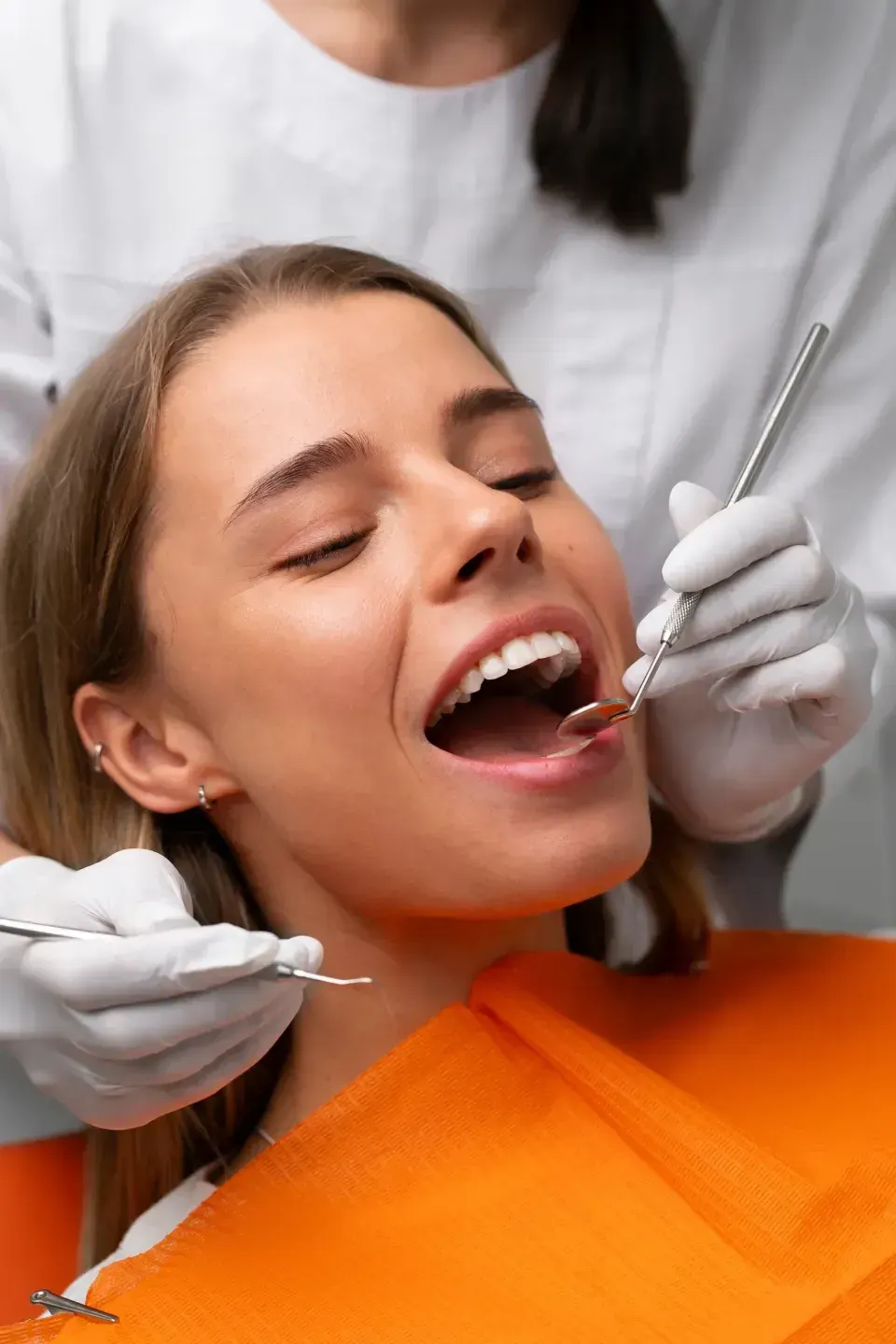
Wisdom teeth removal is most appropriate for teens and young adults whose third molars are causing symptoms, threatening neighboring teeth, or are positioned to create future problems. Dr. Cook is also happy to remove wisdom teeth proactively when imaging shows clear risk, especially while bone is still flexible and recovery is easier.
If we believe an oral surgeon is the safer choice for your case, Dr. Cook will tell you honestly and coordinate the referral for you. If a wisdom tooth is causing severe pain or facial swelling right now, please reach out to our emergency dentist page for same-day care options.
Your wisdom teeth removal visit at Cook Family Dentistry begins with a 3D CBCT scan to map each tooth and nearby nerve, followed by thorough numbing, gentle extraction, and clear aftercare instructions before you leave.
Dr. Cook reviews your health history and uses panoramic x-rays and CBCT 3D imaging to map every tooth and nerve.
Dr. Cook applies topical gel, then delivers local anesthetic, with nitrous oxide or oral sedation chosen ahead of time for full comfort.
Using fine instruments, Dr. Cook carefully removes each wisdom tooth, sectioning teeth when needed to minimize pressure on the jaw.
Dr. Cook cleans and rinses each socket, places dissolvable sutures, and can add PRP (platelet rich plasma) when chosen to speed healing.
You leave with clear written instructions, ice packs, a soft food guide, and a direct number to call with any questions.
Most wisdom teeth removals heal smoothly with short, mild symptoms.
Wisdom teeth removal is one of the most studied procedures in dentistry, and the vast majority of patients heal predictably. Expected effects in the first 3 to 7 days include mild swelling of the cheeks, minor bruising, jaw stiffness, slight oozing of blood for a few hours, and tender gum tissue. These improve quickly with rest, ice, soft foods, and gentle salt water rinses starting 24 hours after surgery.
Less common but possible risks include a dry socket (when the protective blood clot is lost too early), prolonged bleeding, infection, sinus involvement for upper wisdom teeth, or temporary numbness of the lip, chin, or tongue when a tooth was very close to a nerve. Avoiding straws, smoking, vigorous rinsing, and spitting for the first 72 hours dramatically lowers the risk of dry socket.
If anything feels off after your visit, please call our office at (850) 622-2226 and Dr. Cook or our team will help right away.
Wisdom tooth removal costs at Cook Family Dentistry depend on the number of teeth and level of impaction, and our team will verify your insurance benefits and provide a clear written estimate before treatment begins.
The cost of wisdom teeth removal at Cook Family Dentistry in Santa Rosa Beach depends on how many teeth need to be removed, whether each tooth is erupted or impacted, the level of sedation chosen, and any add-ons like PRP for faster healing. Most cases fall between $250 and $700 per tooth, with a clear written estimate provided before your visit.
Wisdom teeth removal is often considered medically necessary when there is pain, infection, decay, or crowding. In those cases, dental insurance typically covers 50% to 80% of the procedure after your deductible. Our team will verify your benefits ahead of time and walk you through exactly what to expect.
We believe cost should never stand between you and necessary care. We offer:
30A families have trusted us since 2011.
Book NowCBCT scans map each tooth and the nearby nerve before surgery
Gentle local anesthesia plus nitrous oxide or oral sedation options
Complex full bony impactions are referred to a trusted oral surgeon
Warm, reassuring team that treats every patient like one of our own
We often accommodate urgent wisdom tooth pain the same day you call
Dr. Cook and his team have served 30A families for over a decade
Plan your wisdom teeth visit and recovery under one roof at Cook Family Dentistry.
View All ServicesGum grafting in Santa Rosa Beach, FL. Restore receding gums and protect exposed roots. Book a consultation today.
Learn morePRP in Santa Rosa Beach, FL. Platelet-rich plasma from your own blood supports faster healing after oral surgery. Book today.
Learn moreDental implants in Santa Rosa Beach, FL. Permanent tooth replacement that looks and feels natural. Book a consultation today.
Learn moreAll-on-4 dental implants in Santa Rosa Beach, FL. A full arch of fixed teeth on four implants. Book a consultation today.
Learn moreThe procedure itself should not hurt. Dr. Cook fully numbs the area first, and most patients add nitrous oxide or oral sedation for extra comfort. You may feel pressure or movement but not sharp pain. Mild soreness afterward is normal and is usually managed well with over-the-counter pain relievers and ice for the first 24 to 48 hours.
No. If your wisdom teeth are fully erupted, easy to clean, and not causing crowding or infection, watching them with regular x-rays may be the right plan. Dr. Cook will review your imaging honestly and only recommend removal when it truly protects your long-term oral health.
Most patients feel significantly better within 3 to 7 days. Swelling peaks around day 2 to 3 and then steadily improves. Most teens and adults are back to school or light work within 3 to 5 days, with a return to full activity within about a week.
The sweet spot is usually between 16 and 25 years old. At that age, the roots are not yet fully formed, the bone is more flexible, and recovery tends to be quicker. Adults can absolutely have wisdom teeth removed safely too, especially when symptoms are already present.
Dr. Cook routinely removes erupted and mildly impacted wisdom teeth here in our office. For full bony impactions, teeth very close to the inferior alveolar nerve, or complex medical histories, he will honestly refer you to a trusted local oral surgeon. We coordinate the referral and stay in touch throughout your care.
We offer local anesthesia with optional nitrous oxide or oral conscious sedation. These keep you relaxed and comfortable while staying awake and responsive. If you need full IV sedation or general anesthesia for a complex case, we will refer you to an oral surgeon who provides that level of care.
A dry socket happens when the protective blood clot at the extraction site dislodges too early, exposing bone. It is uncomfortable but very treatable. To prevent it, avoid straws, smoking, vigorous rinsing, and spitting for the first 72 hours, and follow the written aftercare instructions we provide.
Stick with soft, cool foods for the first day or two, such as yogurt, smoothies (eaten with a spoon, not a straw), applesauce, mashed potatoes, scrambled eggs, and soup that is not too hot. Slowly add firmer foods as you feel comfortable over the first week.