Missing Single Tooth
Replace one lost tooth with a fixed, lifelike restoration

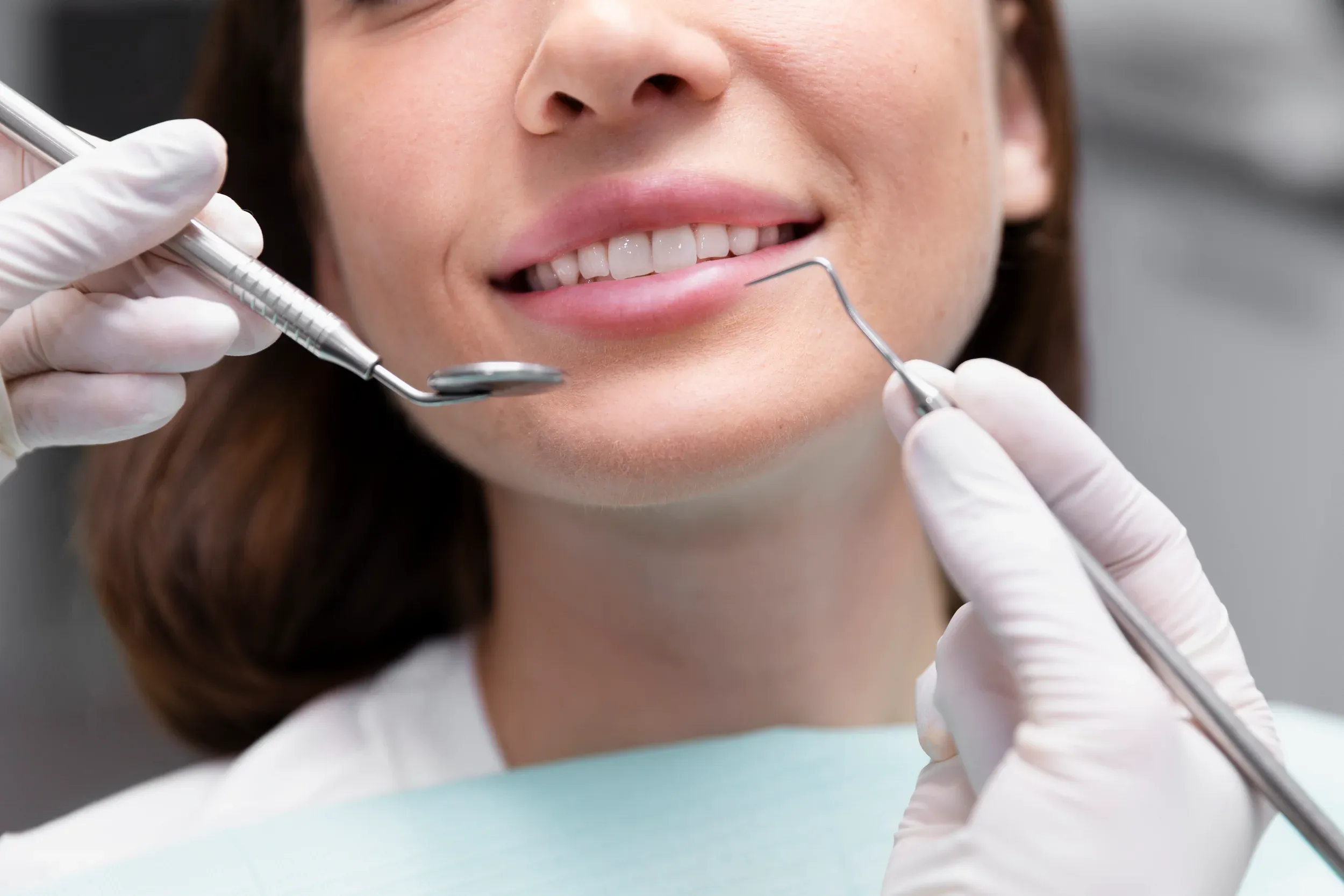
Fixed bridges to fill gaps at Cook Family Dentistry
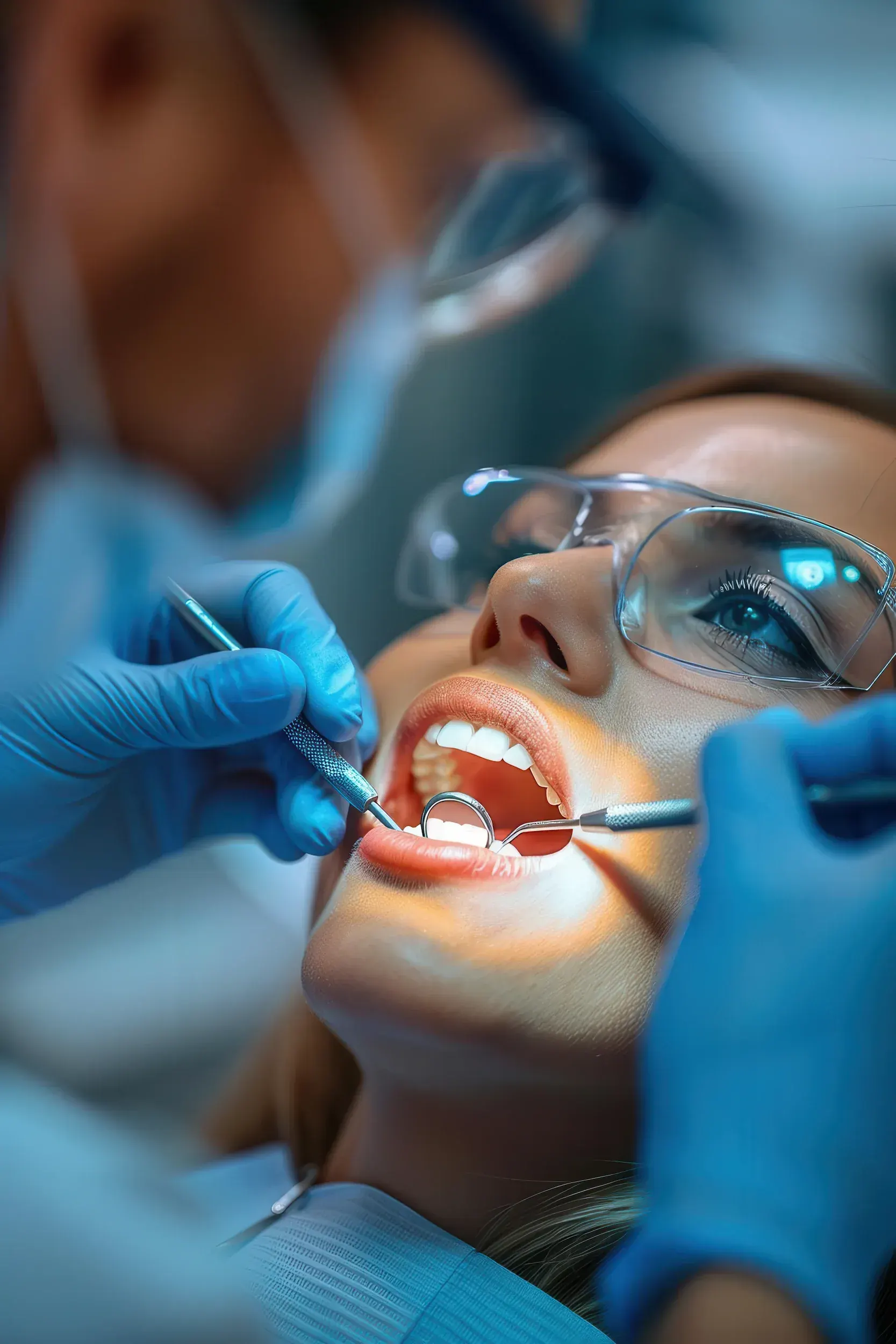
Replacing lost teeth protects your whole mouth
When a tooth is lost to extraction, decay, or trauma, the gap rarely stays just a gap. Neighboring teeth begin to drift and tilt, the opposing tooth can over-erupt, and the bite slowly shifts out of balance. Chewing becomes harder, certain sounds change, and confidence in your smile often fades. Left unaddressed, a single missing tooth can cascade into wider problems including TMD (jaw-joint) strain, gum recession, and additional tooth loss within a few years.
A dental bridge restores the missing tooth (or teeth) with a fixed, custom-crafted prosthesis anchored to crowns on healthy adjacent teeth, or to dental implants. At Cook Family Dentistry, we design every bridge to match the shape, shade, and contour of your natural teeth so the result looks and feels seamless. For patients who want to preserve adjacent teeth entirely, see our dental implants page. Bridges pair well with consistent teeth cleanings to protect the supporting teeth long term.
Good to Know
How a fixed bridge replaces lost teeth
A dental bridge is a fixed (non-removable) prosthesis that replaces one to three missing teeth in a row. It is made up of one or more artificial teeth, called pontics, fused between two crowns that serve as anchors. The crowns are cemented onto the natural teeth on either side of the gap (called abutments), or onto dental implants when adjacent teeth are healthy and should be preserved.
At Cook Family Dentistry, Dr. Cook crafts each bridge from durable, lifelike materials. All-ceramic options such as zirconia and lithium disilicate (e.max) offer excellent strength with a translucent, natural appearance, while porcelain-fused-to-metal (PFM) bridges remain a reliable choice for high-pressure back-tooth restorations. The bridge is fabricated from a precise digital impression of your mouth, then permanently cemented in place at your final visit.
Most bridges are completed in just 2 to 3 short visits. Here's what to expect from your first impression to the day your new smile is cemented in place.
Common reasons patients choose a bridge
Replace one lost tooth with a fixed, lifelike restoration
Span a small gap with a multi-unit bridge
Restore comfortable, balanced chewing on both sides of the mouth
Stabilize adjacent and opposing teeth before they drift out of place
Close visible spaces and restore a confident, complete smile
Re-establish even contact for healthier jaw function
Dental bridges from Cook Family Dentistry close the gap left by missing teeth with a fixed, permanently cemented restoration that restores your bite, smile, and confidence in just a few visits.






Never removed for cleaning, unlike a partial denture
Custom-shaded ceramic blends with your surrounding teeth
Final restoration in weeks rather than several months
Chew, speak, and smile comfortably with full bite support
Holds neighboring and opposing teeth in proper position
Most dental plans cover a portion of bridge treatment
Comparing traditional bridges, implant-supported bridges, and single dental implants so you can choose the best tooth replacement option for your smile, budget, and long-term goals.
| Option | How It Works | Adjacent Teeth | Timeline | Lifespan | Cost Range | Best For |
|---|---|---|---|---|---|---|
| Traditional Bridge (Cook Family Dentistry) | Pontic held by crowns on neighbors | Prepared and crowned | 2 - 3 visits, 2 - 4 weeks | 10 - 15+ years | ~$2,000–$4,500 (3-unit) | 1 - 3 teeth, neighbors need crowns |
| Implant-Supported Bridge | Anchored to 2 implants | Preserved untouched | 3 - 6 months (implant healing) | 15 - 25+ years | Higher than traditional | Multiple missing, healthy neighbors |
| Single Dental Implant | Titanium post + crown | Completely preserved | 3 - 6 months | 20+ years | Comparable per tooth | One tooth, healthy neighbors |
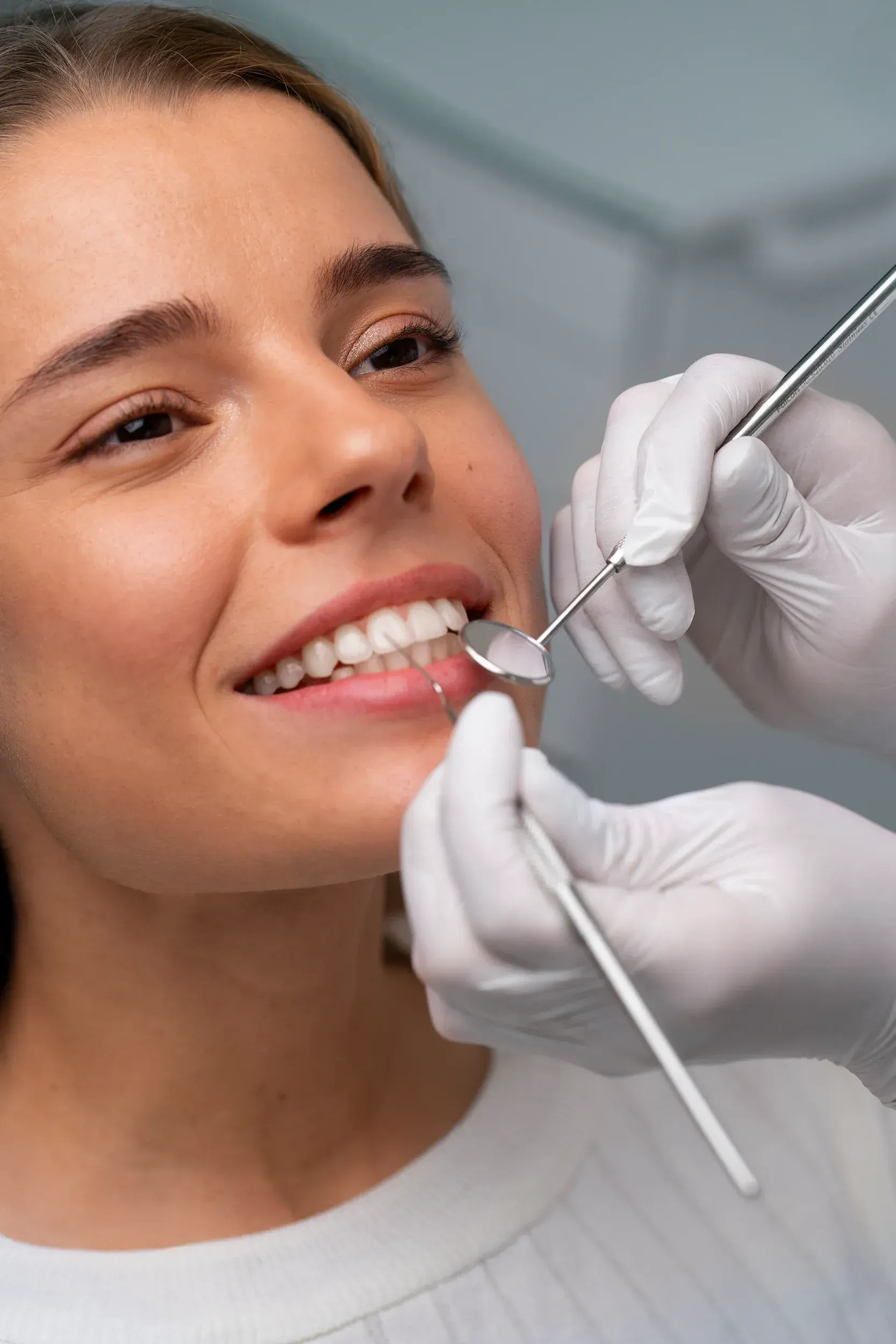
Dental bridges are a time-tested, predictable way to replace missing teeth when the adjacent teeth are healthy and able to support a restoration.
Dr. Cook will review your exam, digital scans, and bite to recommend the most conservative tooth-replacement option that fully restores function and esthetics.
From preparing the anchor teeth and taking digital impressions to cementing your final bridge, most patients complete their restoration in two to three comfortable visits over two to four weeks.
Dr. Cook reviews your tooth with digital X-rays and a Primescan scan to design the ideal bridge.
Dr. Cook gently reshapes the abutment teeth under local anesthetic to receive the supporting crowns.
Dr. Cook captures a precise Primescan digital impression to send to the lab for bridge fabrication.
Dr. Cook places a comfortable temporary bridge to protect your teeth while the final restoration is crafted.
Dr. Cook checks fit, shade, and bite, then permanently cements your custom bridge in place.
What to know after your bridge
Dental bridges are safe, and side effects are usually mild and short-lived. You may notice temporary sensitivity on the abutment teeth, slight gum tenderness, a brief sense that your bite is off (easily adjusted), and a one to two week adjustment period as your mouth gets used to the new bridge.
Long-term, the most common issue is decay forming at the margin where the crown meets the natural tooth, which is why daily flossing under the pontic and routine cleanings are essential to protect the restoration.
Contact Cook Family Dentistry if sensitivity lasts longer than two weeks, if the bridge feels loose, or if you experience sharp or lingering pain so Dr. Cook can evaluate the restoration.
Patients typically complete bridge treatment in 2 to 4 weeks and leave the final visit with a fully restored smile that blends seamlessly with their natural teeth. With routine cleanings and good home care, most bridges look and function beautifully for 10 to 15 years or longer.
View All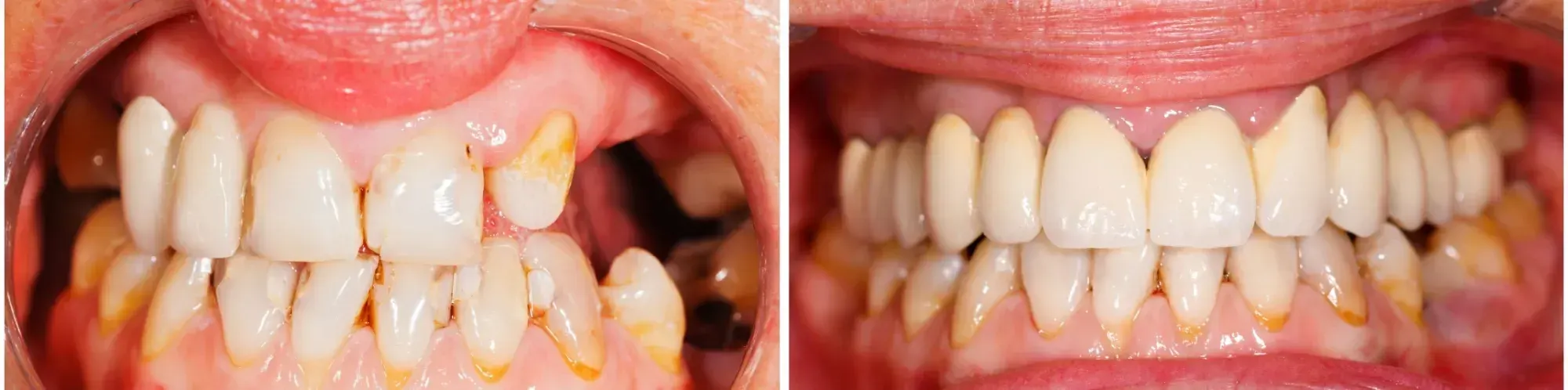
Individual results vary based on each patient's needs, treatment plan, and care.
Transparent, written pricing with insurance verification upfront so you know your exact out-of-pocket cost before any treatment begins.
A traditional three-unit dental bridge at Cook Family Dentistry typically ranges from approximately $2,000 to $4,500. Your final cost depends on the number of units in the bridge, the material chosen (zirconia, e.max all-ceramic, or porcelain-fused-to-metal), whether any preliminary treatment is needed, and whether the bridge is traditional or implant-supported. We'll review a clear written estimate before any treatment begins.
Most dental insurance plans cover a portion of bridge treatment as a major restorative service, typically 50 percent after deductible. Our team will verify your benefits before your appointment and review a clear written estimate so you know exactly what to expect. For patients without insurance, we offer transparent self-pay pricing.
We believe cost should never stand between you and a complete, confident smile. We offer:
Fellow-trained restorative care
Book NowDawson Academy Fellowship in occlusion and full-mouth restoration
Comprehensive Implant Residency for traditional and implant-supported bridges
Primescan digital impressions for accurate, comfortable bridge fittings
Warm, unhurried visits for Santa Rosa Beach families since 2010
Every bridge is shaped, shaded, and contoured to your existing teeth using Primescan digital impressions
Closing a gap promptly keeps neighboring teeth from drifting and your bite balanced
Complete your care with these related treatments at Cook Family Dentistry.
View All ServicesDental crowns in Santa Rosa Beach, FL. Custom crowns that protect and restore a damaged tooth. Book today.
Learn moreSame-day crowns in Santa Rosa Beach, FL. CEREC crowns designed and placed in a single visit. Book today.
Learn moreDentures in Santa Rosa Beach, FL. Full and partial dentures that restore function and appearance. Book today.
Learn moreDental implants in Santa Rosa Beach, FL. Permanent tooth replacement that looks and feels natural. Book a consultation today.
Learn moreMost bridges are completed across 2 to 3 visits over 2 to 4 weeks. You wear a comfortable temporary bridge while the lab crafts your final restoration, then it is cemented permanently at the last visit.
With good home care, regular cleanings, and a nightguard if you grind, most bridges last 10 to 15 years and many last longer. Daily flossing under the pontic is the single most important habit for bridge longevity.
Dr. Cook uses gentle topical gel before local anesthetic, so most patients feel only mild pressure during preparation. Some sensitivity for a few days afterward is normal and resolves quickly.
It depends. Implants preserve healthy adjacent teeth and often last longer, but they take 3 to 6 months and cost more upfront. Bridges are faster and well suited when neighboring teeth already need crowns. Dr. Cook will review both options with you.
Use a floss threader, super floss, or a water flosser daily to clean under the pontic where regular floss cannot reach. This prevents decay and gum problems around the supporting teeth.
Most dental insurance plans cover a portion of bridge treatment as a major restorative service, typically 50 percent after deductible. Our team will verify your benefits in advance and provide a written estimate.