Trauma and Impact
Falls, sports collisions, car accidents, and accidental blows are leading causes of broken front and back teeth.

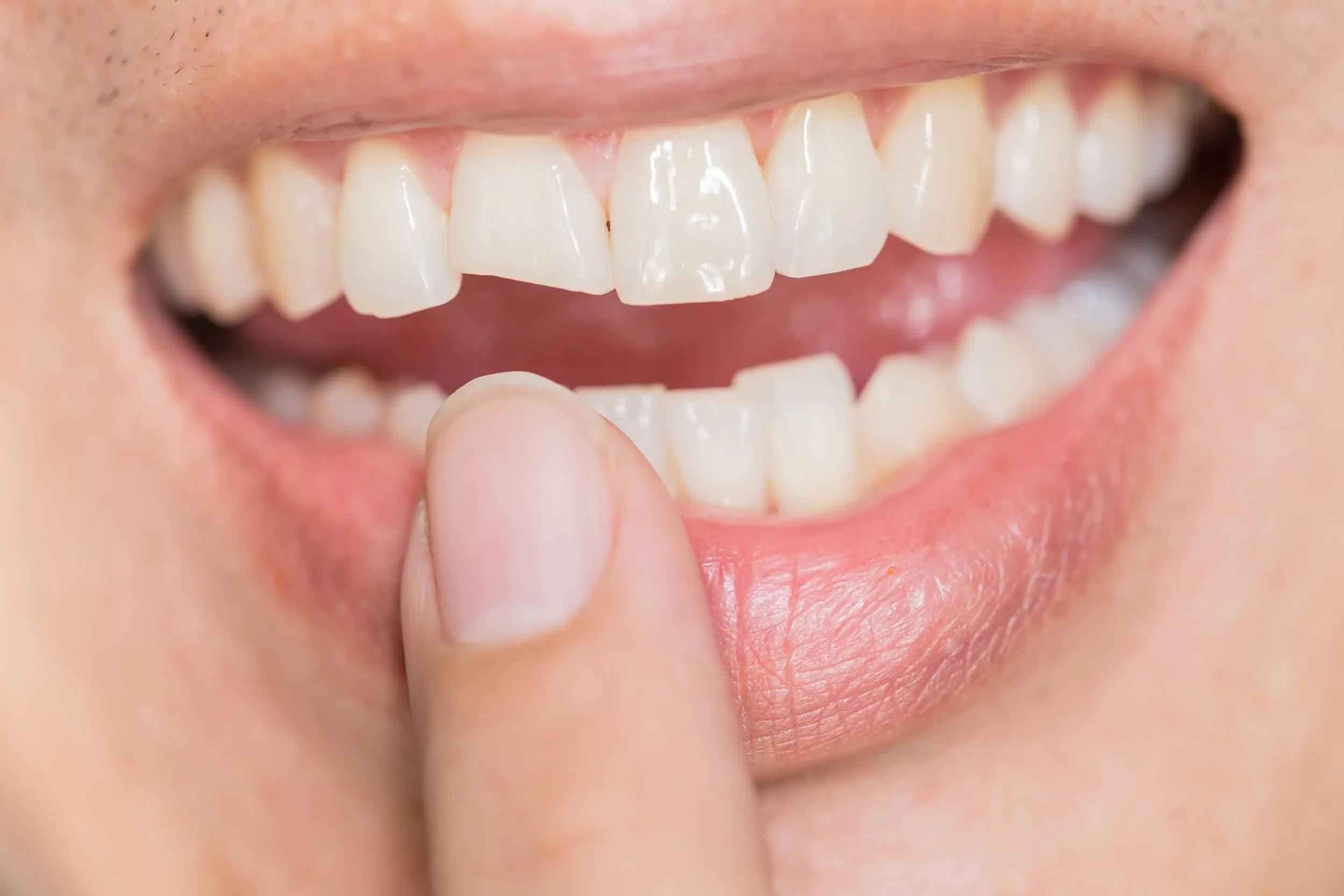
Fast, lasting repair to restore your tooth at Cook Family Dentistry
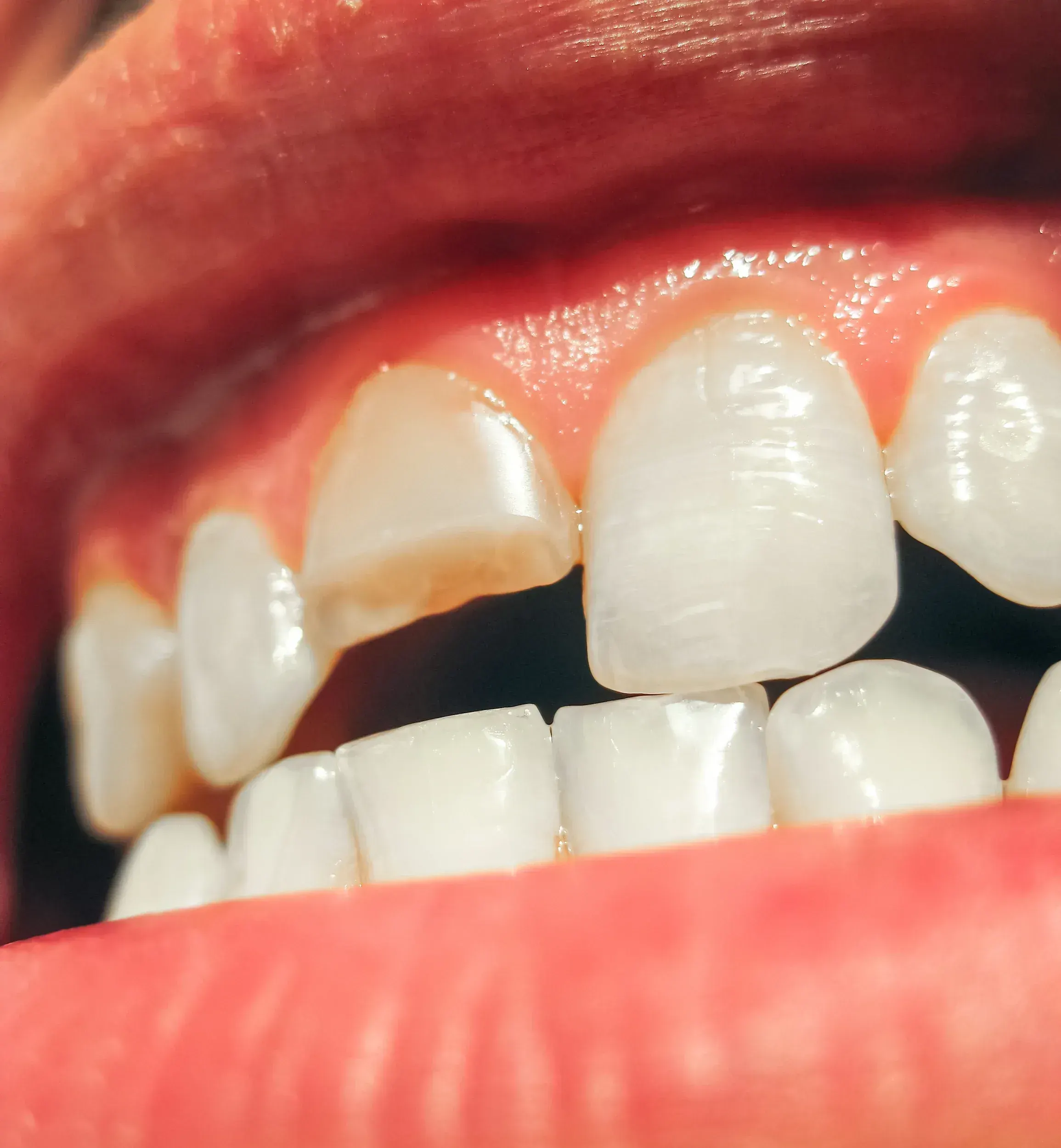
Quick assessment, clear options, and durable repair
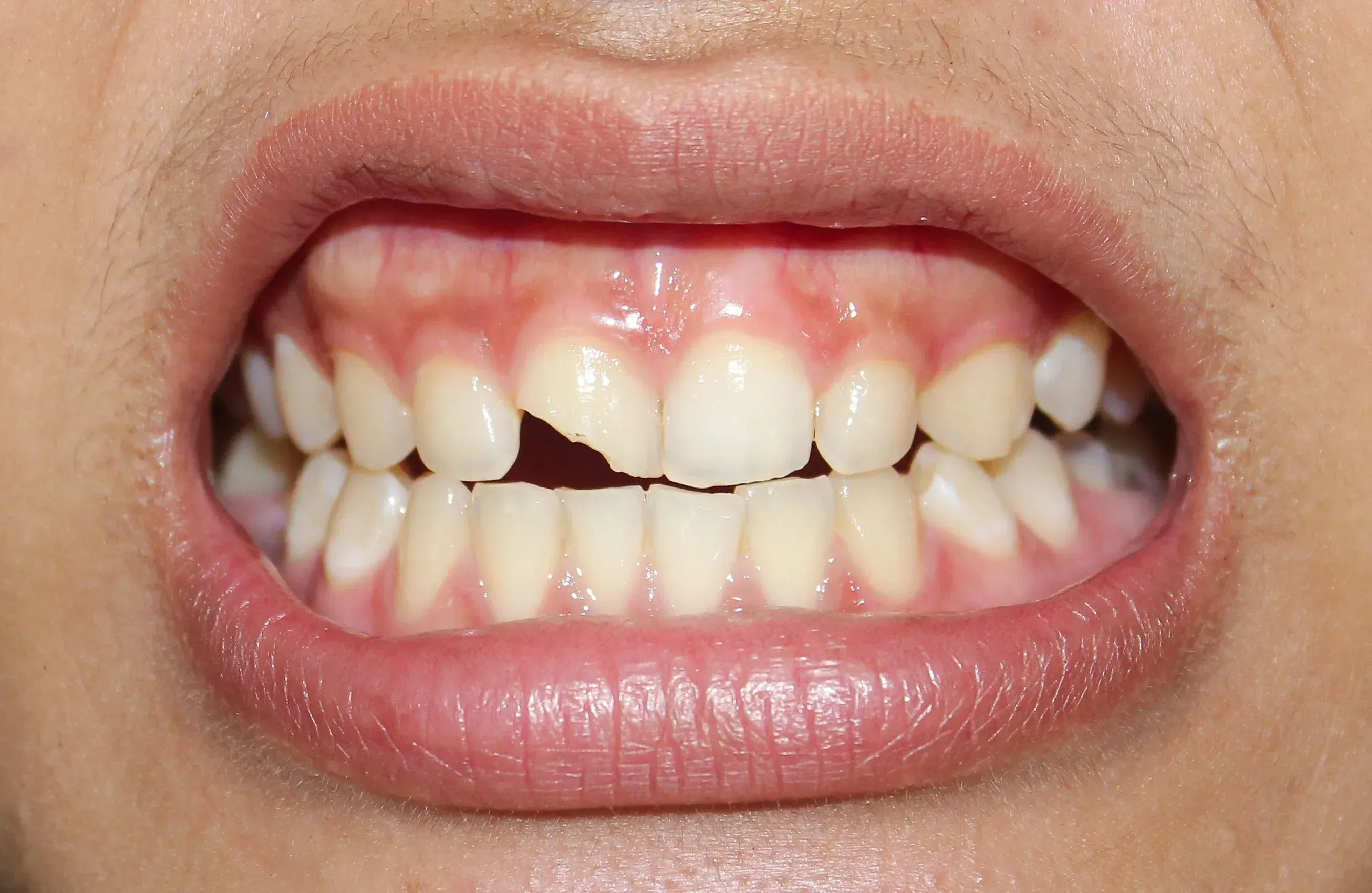
A broken or cracked tooth can happen in an instant. One bite into a hard piece of ice, a fall on the paddleboard at 30A, or an unexpected sports collision can leave you with a sharp edge, sudden sensitivity, or a piece of tooth in your hand. Even a small chip deserves attention because a fracture left untreated tends to grow.
At Cook Family Dentistry, Dr. Cook treats broken and cracked teeth with calm, careful expertise. We examine the tooth, take focused digital X-rays, and explain the exact extent of the damage so you can choose the right repair. From subtle craze lines to full crown fractures, we have a treatment that restores function, comfort, and appearance.
If you are in pain or the damage is visible when you smile, call us at (850) 622-2226. We make room for emergencies whenever possible.
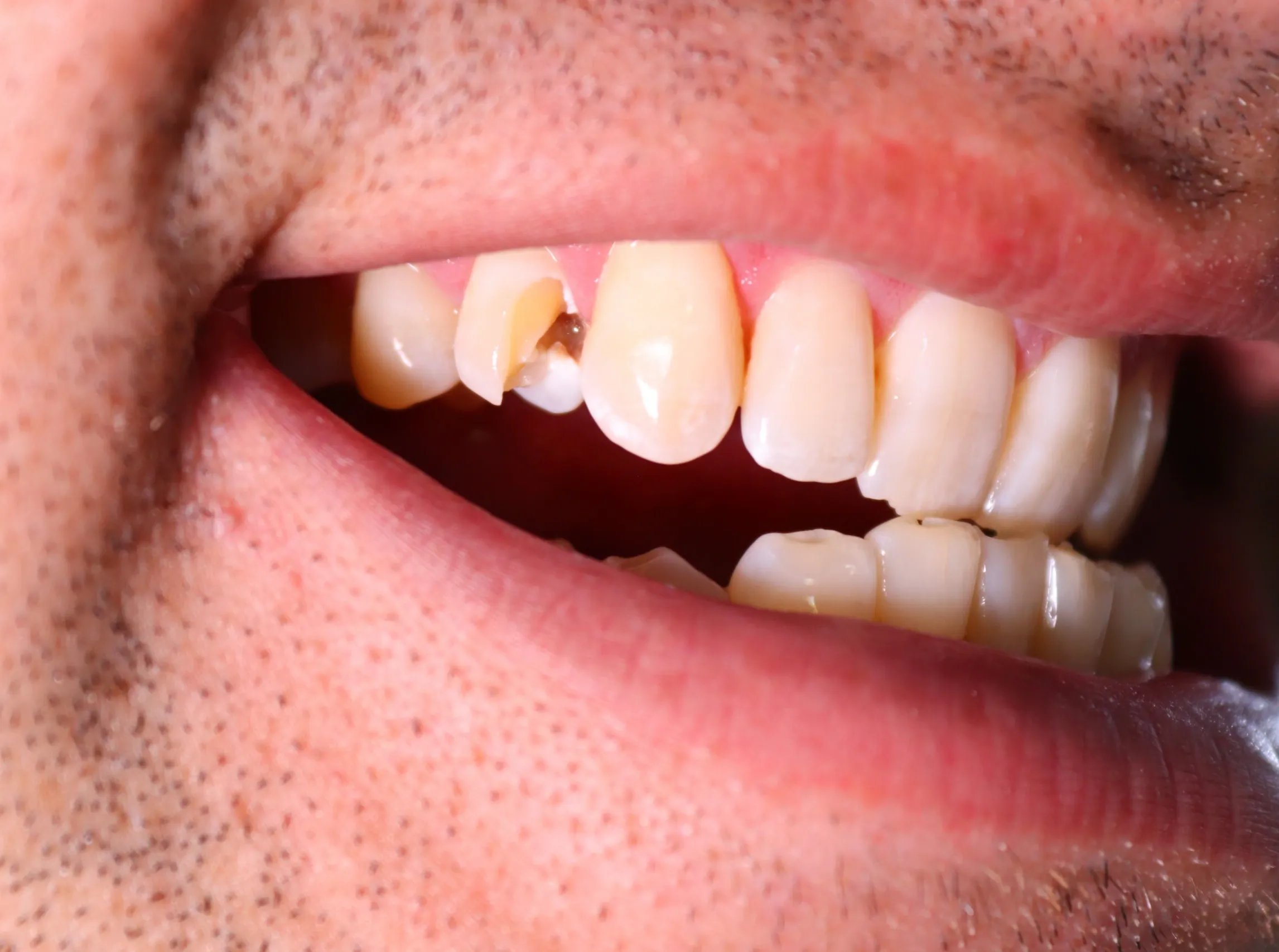
Trauma, biting forces, and weakened tooth structure
Teeth are remarkably strong, but they are not unbreakable. Most fractures happen for one of a few reasons: sudden trauma from a fall, sports impact, or car accident; biting unexpectedly on something hard like a popcorn kernel, ice, or a bone; chronic clenching and grinding (bruxism) that fatigues enamel over years; large old silver fillings that wedge the cusps apart with every chew; or untreated decay that hollows out the tooth and undermines its walls.
The 30A lifestyle adds a few risks of its own. Active kids and athletes, beach sports, and the occasional hard candy at the beach all show up in our schedule. Whatever the cause, the earlier we see the tooth, the more conservative the fix.

From cosmetic lines to deep fractures
The treatment depends entirely on the type and depth of the damage. Some are cosmetic only, while others threaten the nerve and long-term survival of the tooth.
Craze lines are tiny surface cracks in the enamel that are cosmetic only and rarely need treatment. Chipped enamel usually involves a small piece of the edge and is often fixed in one visit with a tooth-colored filling or bonding. Cracked tooth describes a fracture that runs through the chewing surface; if it has not yet reached the pulp, a dental crown often stabilizes it. Cracked tooth syndrome is a partial crack that causes sharp pain when you bite or release, and can be tricky to diagnose. A split tooth has divided into segments and frequently requires extraction. A vertical root fracture starts at the root and may also lead to extraction. Dr. Cook will tell you exactly which type you have and what realistic options look like.
The most frequent culprits we see in Santa Rosa Beach
Falls, sports collisions, car accidents, and accidental blows are leading causes of broken front and back teeth.
Ice, popcorn kernels, hard candy, nuts, and unexpected bone fragments can fracture a cusp in a single bite.
Chronic nighttime grinding fatigues enamel, creates micro-fractures, and is a top cause of cracked tooth syndrome.
Big silver amalgam fillings expand and contract over decades, wedging the remaining tooth walls apart until they crack.
Cavities hollow out the tooth from inside, weakening the structural walls so a normal bite can suddenly snap a cusp.
Switching from very hot to very cold (or biting ice after coffee) can stress enamel and propagate existing micro-cracks.
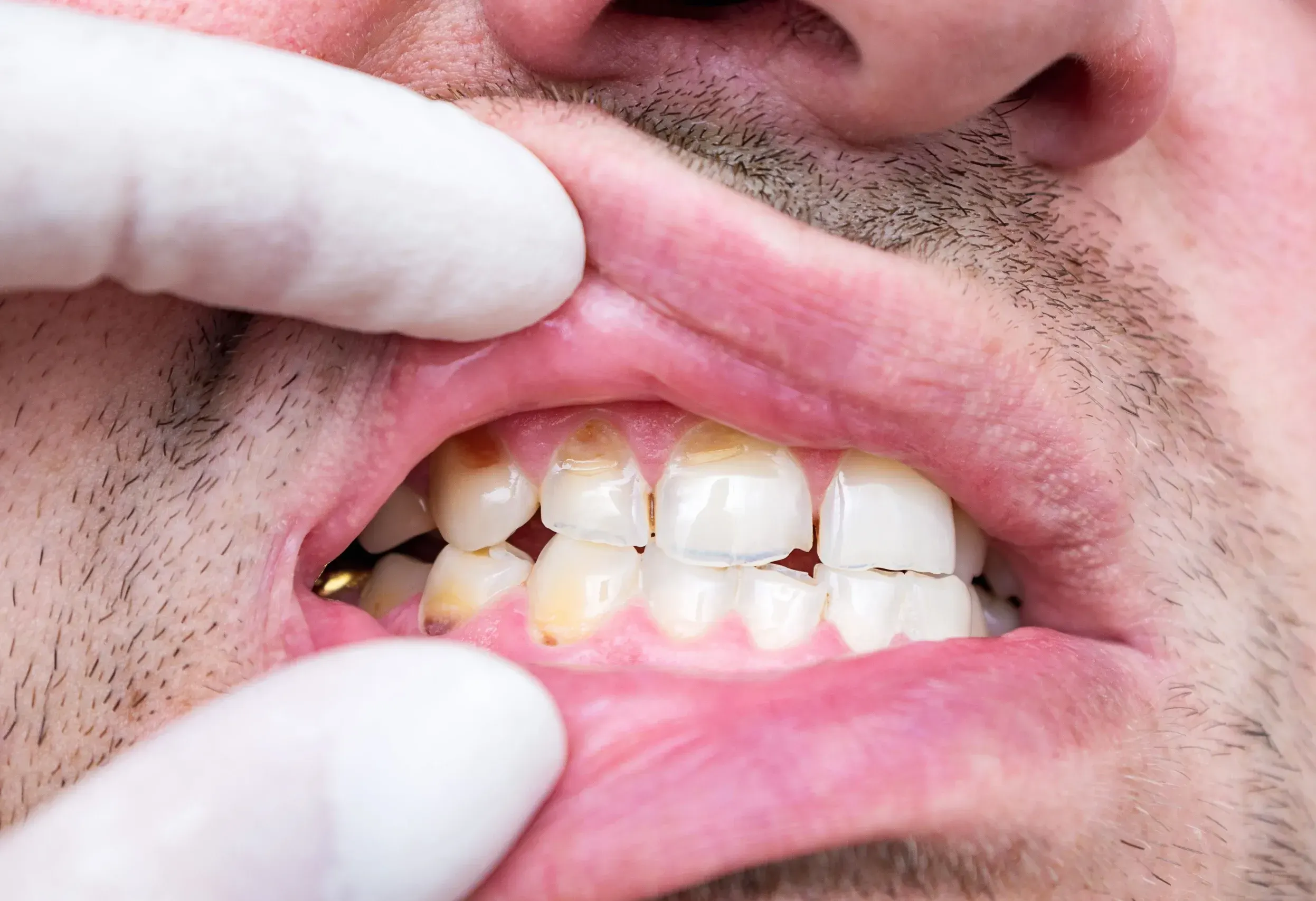
Experienced, calm, and same-day when needed
Choosing the right repair for your broken or cracked tooth
| Treatment | Best For | Time in Office | Typical Lifespan | Tooth Preparation |
|---|---|---|---|---|
| Dental Fillings | Small chips and minor front-tooth damage | Usually one visit, 30 to 60 minutes | About 5 to 10 years with care | Minimal, often no drilling beyond the chip |
| Dental Crowns | Significant fractures, large cracks, post root canal teeth | One to two visits, or one with same-day technology | About 10 to 15 plus years | Moderate reshaping of the tooth all around |
| Veneers | Visible cosmetic chips on healthy front teeth | Two visits over about two weeks | About 10 to 15 plus years | Light reshaping of the front surface only |
If any of these sound familiar, call us promptly
It can be, especially if there is pain, bleeding, a large missing piece, or visible nerve. Even a small chip should be examined within a few days because a crack that looks minor can deepen quickly under normal chewing forces. Call Cook Family Dentistry at (850) 622-2226 and we will help you decide how urgent the visit needs to be.
Rinse your mouth gently with warm water, save any tooth fragments in milk or saliva if possible, apply a cold compress to the outside of the cheek to control swelling, and avoid chewing on that side. Over-the-counter pain relievers can help. Call our office promptly so we can schedule you and protect the tooth from further damage.
Not always. Small chips or shallow cracks can often be repaired with bonding or a filling. However, when a fracture extends across the chewing surface or into a cusp, a crown is usually the best long-term fix because it holds the tooth together. Dr. Cook will use an exam and X-rays to recommend the most conservative option that will last.
It is the term for a partial crack in a back tooth that causes sharp pain when you bite or release pressure, but the crack is too small to see clearly on an X-ray. Symptoms come and go, and the discomfort is hard to point to. Treatment usually involves protecting the tooth with a crown before the crack progresses to the pulp.
No. Unlike bone, tooth enamel and dentin cannot regenerate. Any crack or break needs a professional repair to seal the tooth, protect the nerve, and restore function. Waiting often turns a small repair into a much larger one.
Most dental insurance plans cover a portion of fillings, crowns, and emergency exams. Our team will review your benefits, explain expected out-of-pocket costs, and discuss payment options before treatment begins so there are no surprises.