Large Cavities
Decay too extensive for a standard filling to support the tooth

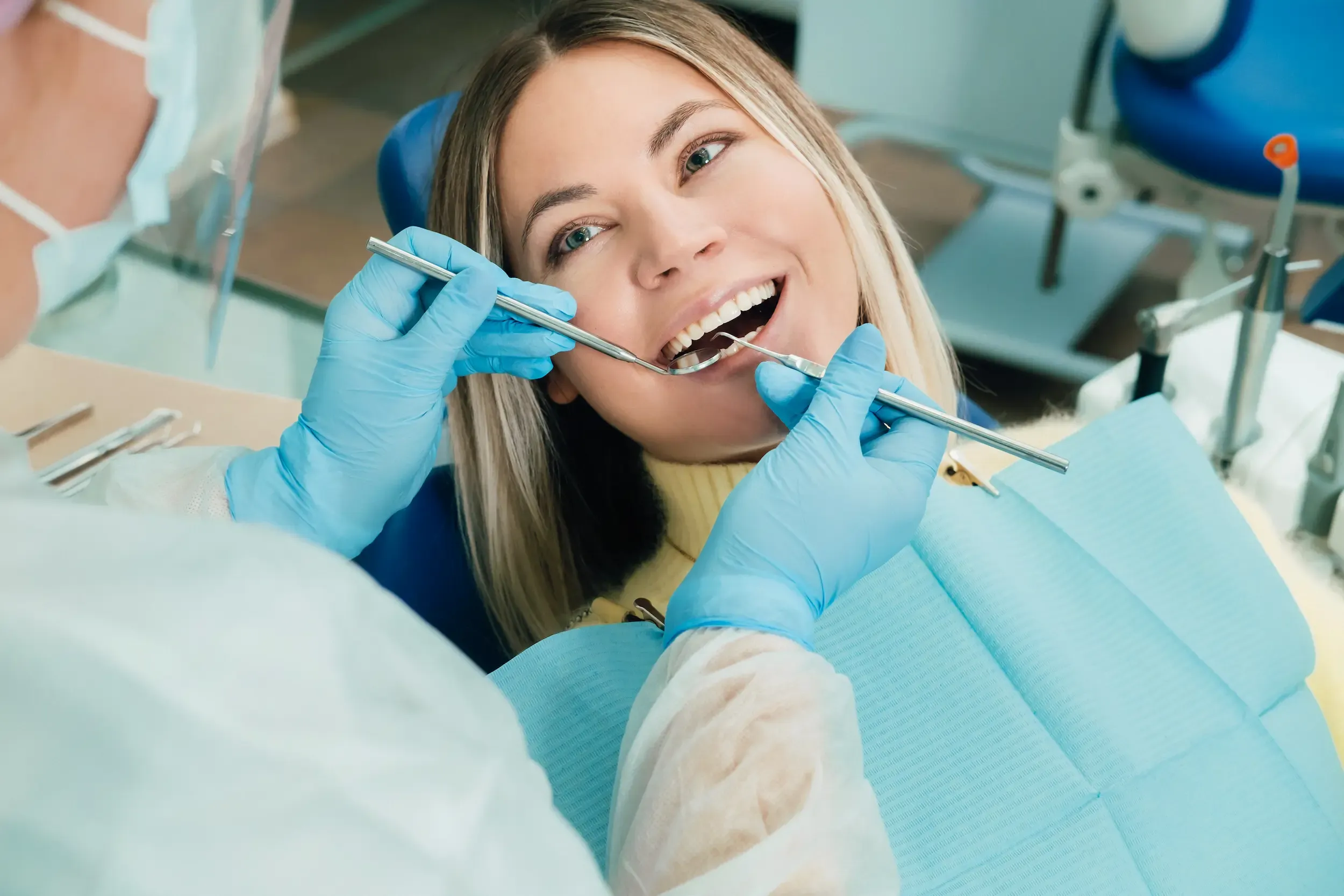
Custom crowns to protect and restore a damaged tooth at Cook Family Dentistry
A well-placed crown can add many years of life to a compromised tooth
When a tooth has a large cavity, a fracture, heavy wear, or has been treated with a root canal, the remaining structure is often too weak to handle daily chewing. A simple filling may not be enough to hold the tooth together over time. Without protection, the tooth can crack further and may eventually need to be removed. Saving a natural tooth is almost always preferred over extraction and replacement.
A dental crown is a custom-made cap that covers the entire visible portion of a tooth. At Cook Family Dentistry, we shape, color-match, and fit each crown so it looks and feels like your own tooth. For patients who want their crown in a single visit, we also offer same-day CEREC crowns. When a tooth cannot be saved, we discuss implant and bridge options so you always have a clear path forward.
Good to Know
How a custom cap protects and restores your natural tooth
A dental crown is a tooth-shaped restoration that covers the entire visible part of a tooth above the gumline. Once cemented in place, the crown becomes the new outer surface of the tooth, restoring its strength, shape, size, and appearance. Crowns are recommended when a tooth has too much damage for a filling but still has a healthy root system worth saving.
Crowns can be made from several materials. All-porcelain options such as zirconia and lithium disilicate (e.max) offer the most natural appearance and are ideal for front and back teeth. Porcelain-fused-to-metal (PFM) crowns combine an outer porcelain layer with a metal substructure for added strength. Gold crowns remain a durable choice for back molars. At Cook Family Dentistry, traditional crowns are crafted by a trusted dental lab over two visits, while same-day CEREC crowns are milled in-office in a single appointment.
Most crowns take just two comfortable visits about two weeks apart. Here's what to expect from preparing your tooth to bonding your final, custom crown.
Common reasons patients come to us for crowns
Decay too extensive for a standard filling to support the tooth
Vertical or hairline cracks that weaken the tooth
Treated teeth need a crown to prevent fracture
Heavy grinding, clenching, or acid erosion has shortened the tooth
Large fractures from injury or biting hard foods
Deeply stained, misshapen, or poorly restored teeth
Dental crowns at Cook Family Dentistry restore your tooth's strength, protect it from further damage, and deliver a natural-looking result that blends seamlessly with your smile.






Chew, speak, and smile with confidence on a fully rebuilt tooth
A crown often allows you to keep a tooth that would otherwise be lost
All-porcelain crowns are shaded to match your surrounding teeth
Quality crowns commonly last 10 to 15 years or longer with good care
Strengthens a treated tooth and reduces the risk of fracture
Precise impressions and bite analysis support comfortable chewing
Comparing lab-fabricated crowns, same-day CEREC crowns, and tooth onlays to help you choose the right restoration for your situation.
| Restoration Type | Best For | Material | Visits Needed | Average Lifespan | Appearance | Cost Range |
|---|---|---|---|---|---|---|
| Lab-Fabricated Crown | Damaged or post-RCT teeth | Porcelain, PFM, or gold | 2 visits | 10 - 15+ years | Lab-customized shade | ~$1,000–$1,800 |
| Same-Day CEREC Crown | Single-visit preference | All-ceramic | 1 visit | 10 - 15 years | Natural ceramic | Comparable to lab |
| Tooth Onlay | Larger cavities, less damage | Porcelain or composite | 1 - 2 visits | 10 - 20 years | Tooth-colored | Less than a crown |
A dental crown is one of the most reliable ways to save a tooth that has been weakened by decay, fracture, wear, or root canal treatment.
Dr. Cook will review your exam, digital images, and goals to recommend the most conservative option that fully protects your tooth.
Two comfortable visits about two weeks apart, one to shape the tooth and capture a digital impression, and one to bond your custom crown
Dr. Cook reviews your tooth with digital X-rays, CBCT 3D imaging when needed, and an intra-oral camera to plan the crown.
Dr. Cook numbs the area, then carefully reshapes the tooth so the crown will fit precisely over it.
Dr. Cook captures a detailed 3D scan of your tooth and bite using the Primescan digital scanner.
Dr. Cook places a comfortable temporary crown to protect the tooth while your custom crown is crafted by the lab.
At the second visit, Dr. Cook checks the fit, color, and bite, then cements your final crown in place.
What to know after your crown is placed
Dental crowns are very safe and side effects are usually mild and temporary. You may notice brief sensitivity to hot, cold, or pressure, mild gum tenderness as the tissue adapts, and a short-lived sense that your bite is off, which Dr. Cook can quickly adjust.
Rarely, a tooth treated with a crown may later need root canal therapy if the nerve becomes irritated.
Contact Cook Family Dentistry if sensitivity lasts more than two weeks, if the crown feels loose, or if you have any sharp or lingering pain so Dr. Cook can check and adjust the restoration.
Transparent pricing, dental insurance support, and flexible payment options to help you protect your tooth without financial stress.
Most porcelain dental crowns at Cook Family Dentistry range from approximately $1,000 to $1,800 per crown. Your final cost depends on the crown material (all-porcelain, porcelain-fused-to-metal, or gold), whether the tooth needs a buildup, post, or root canal first, the complexity of the bite and cosmetic goals, and whether the crown is lab-fabricated or same-day CEREC. We'll provide a clear estimate before treatment begins.
Most dental insurance plans cover a portion of crown treatment as a major restorative service, typically around 50 percent after deductible. Our team will verify your benefits before your appointment and explain your expected out-of-pocket cost in plain language. For patients without insurance, we offer transparent self-pay pricing.
We believe cost should never stand between you and a strong, healthy smile. We offer:
Advanced restorative training and gentle, family-first care
Book NowDr. Cook holds advanced fellowships from the Dawson Academy and AGD
CEREC technology in office for patients who want a crown in one visit
Serving Santa Rosa Beach families and seasonal visitors since 2010
Primescan digital impressions and CBCT 3D imaging for precise crown design
A well-fitted crown protects a cracked or weakened tooth from further breakdown
From gentle numbing to no-goop digital impressions, we keep every step of your crown visit calm and easy
Complete your care with these related treatments at Cook Family Dentistry.
View All ServicesSame-day crowns in Santa Rosa Beach, FL. CEREC crowns designed and placed in a single visit. Book today.
Learn moreDental bridges in Santa Rosa Beach, FL. Fixed bridges that replace one or more missing teeth. Book today.
Learn moreDentures in Santa Rosa Beach, FL. Full and partial dentures that restore function and appearance. Book today.
Learn moreDental implants in Santa Rosa Beach, FL. Permanent tooth replacement that looks and feels natural. Book a consultation today.
Learn moreWith good home care, regular cleanings, and a balanced bite, most quality dental crowns last 10 to 15 years or longer. Avoiding ice, hard candy, and chronic grinding can extend the life of your crown.
A traditional lab-fabricated crown is usually completed in two visits about two weeks apart. If you choose our same-day CEREC option, your crown can often be designed, milled, and placed in a single visit.
Most patients feel only mild pressure during a crown appointment. Dr. Cook uses gentle topical gel before the local anesthetic so the tooth is fully numb during preparation and placement.
It depends on the tooth. All-porcelain zirconia or e.max crowns are excellent for visible teeth where natural appearance matters. PFM and gold crowns are very strong options for back molars under heavy chewing forces. Dr. Cook will review the pros and cons of each at your consultation.
Not always. A root canal is only needed when the tooth's nerve is inflamed or infected. If the nerve is healthy, Dr. Cook can place a crown without root canal therapy.
Care for a crowned tooth like any other tooth: brush twice daily, floss carefully around the gumline, and keep up with routine cleanings. If you grind your teeth at night, ask about a nightguard to protect your crown.