Periodontal Disease
Advanced gum disease destroys the bone and ligaments that hold teeth in place.

Compassionate, comprehensive care from Dr. Cook at Cook Family Dentistry.
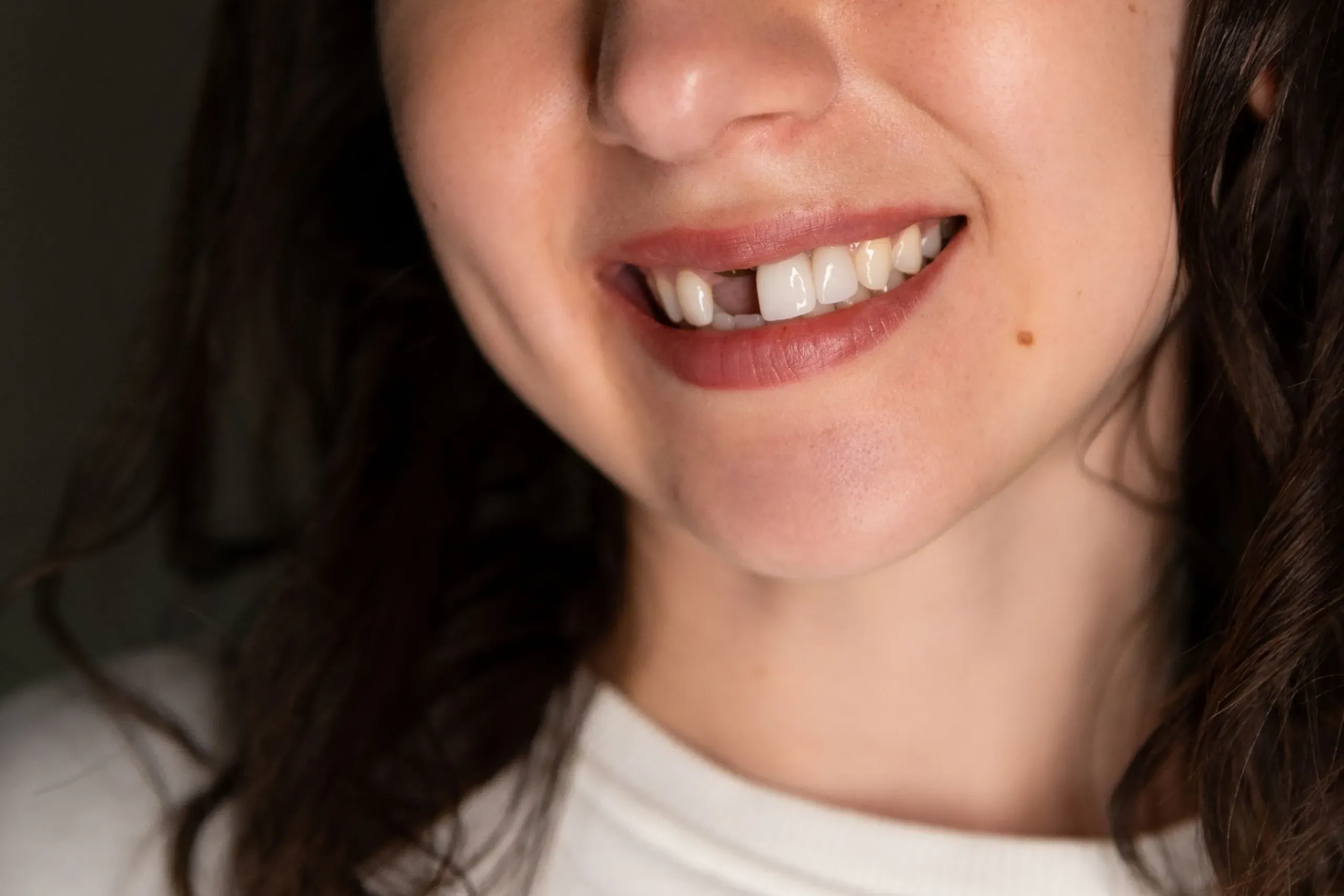
Modern dentistry offers life-changing options to replace what you have lost.
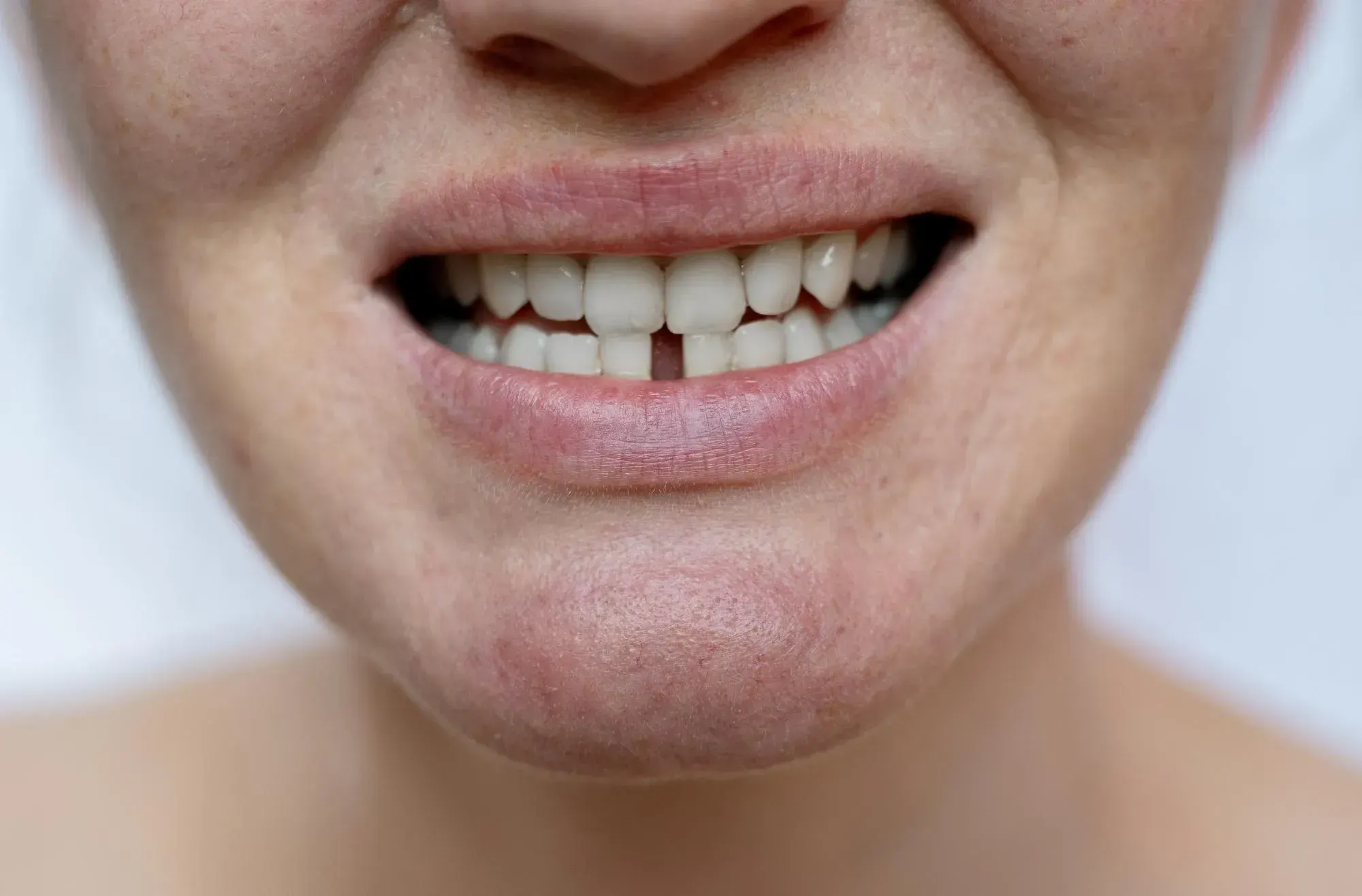
Whether you have lost a single tooth or several, missing teeth can affect far more than your smile. Chewing becomes harder, speech can shift, and the jawbone beneath the empty space begins to shrink within months of tooth loss. Many patients also notice that nearby teeth start to drift, creating bite changes and uneven wear over time.
At Cook Family Dentistry in Santa Rosa Beach, Dr. Cook helps patients understand every available tooth replacement option, from dental implants to bridges and dentures. The right solution depends on your oral health, lifestyle, and long-term goals, and we take time to walk through each path with care and honesty.
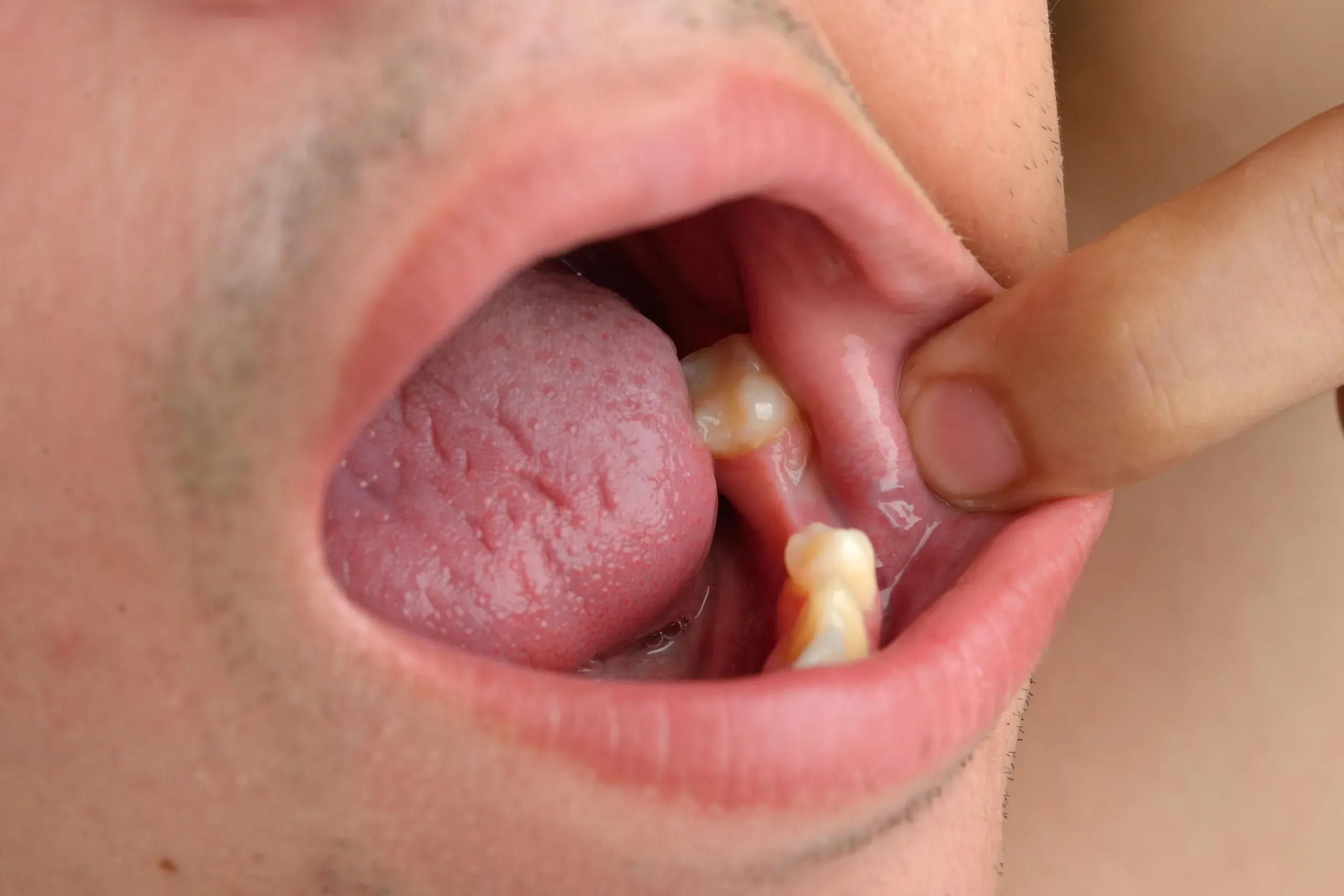
Tooth loss can happen at any age, and the reasons are often a mix of biology, habit, and circumstance.
The most common causes of tooth loss include advanced gum (periodontal) disease, deep decay that damages a tooth beyond repair, dental trauma from sports or accidents, failed root canals or fractures, and congenital conditions where adult teeth never develop. In some cases, long-standing bite issues, grinding, or untreated infections gradually weaken teeth until extraction becomes the safer path.
Whatever brought you here, our team treats you with empathy. Tooth loss is rarely a story of one bad habit, and replacement planning works best when we look at the full picture of your oral health.
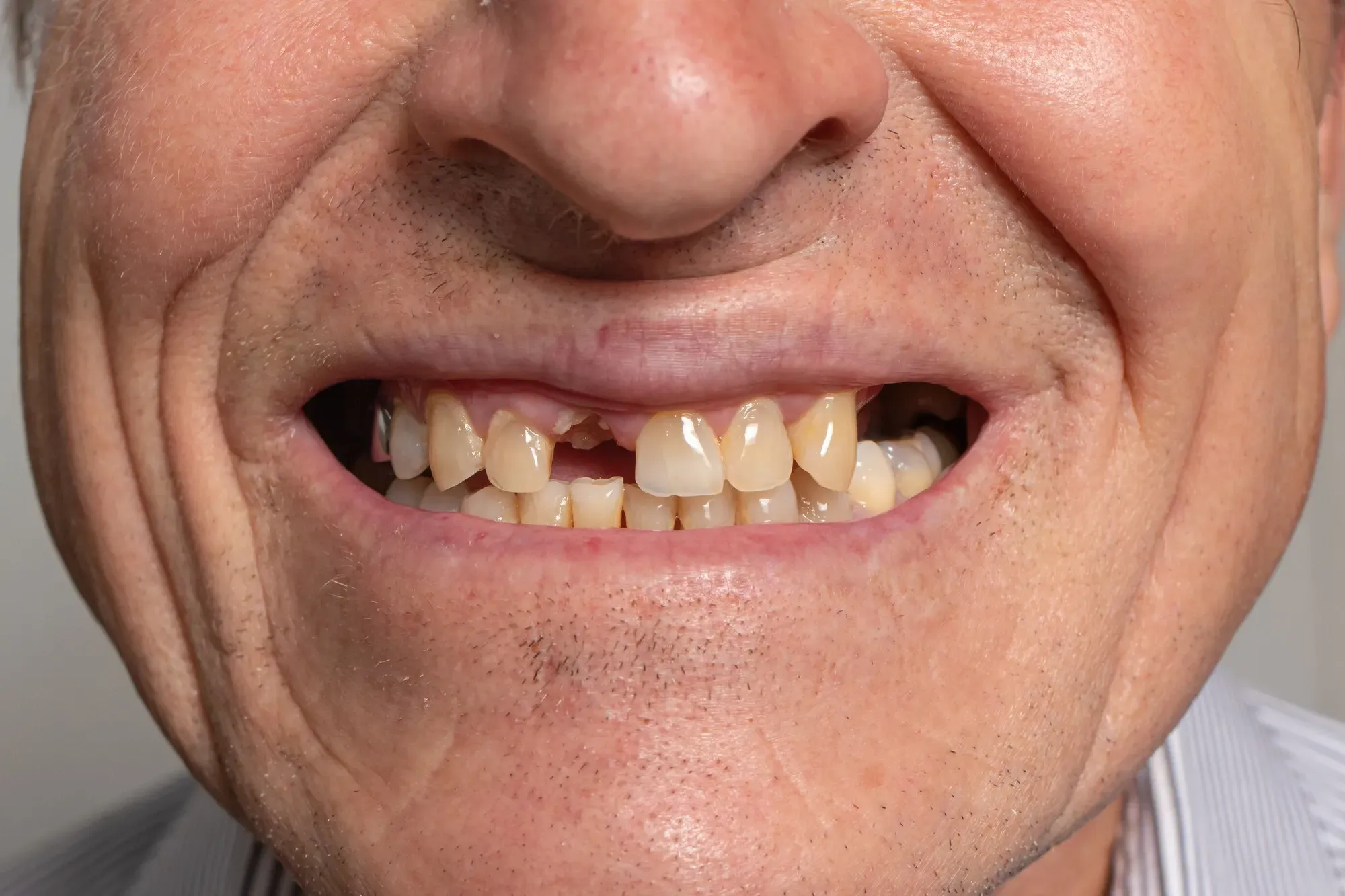
Bone loss begins almost immediately, but early planning protects your options.
Once a tooth is removed, the surrounding jawbone no longer receives the chewing stimulation that keeps it dense and strong. Studies show measurable bone loss within the first three to six months, with continued thinning over the years that follow. This can change facial shape, make future implants more complex, and allow neighboring teeth to tip into the open space.
The good news is that early planning preserves your choices. Even if you are not ready to commit to a final treatment, a consultation lets us protect the site with options such as socket preservation or bone grafting so that any path you choose later remains achievable.
Understanding the source helps us prevent further loss and plan the right replacement.
Advanced gum disease destroys the bone and ligaments that hold teeth in place.
Untreated cavities can reach the pulp and root, leaving the tooth unrestorable.
Sports injuries, falls, or accidents can crack or knock out teeth, including in young adults.
Old root canals, cracked crowns, or fractured teeth sometimes require extraction.
Some people are born without certain adult teeth, most often lateral incisors or premolars.
Long-term clenching, grinding, or untreated bite problems can weaken teeth until they fail.
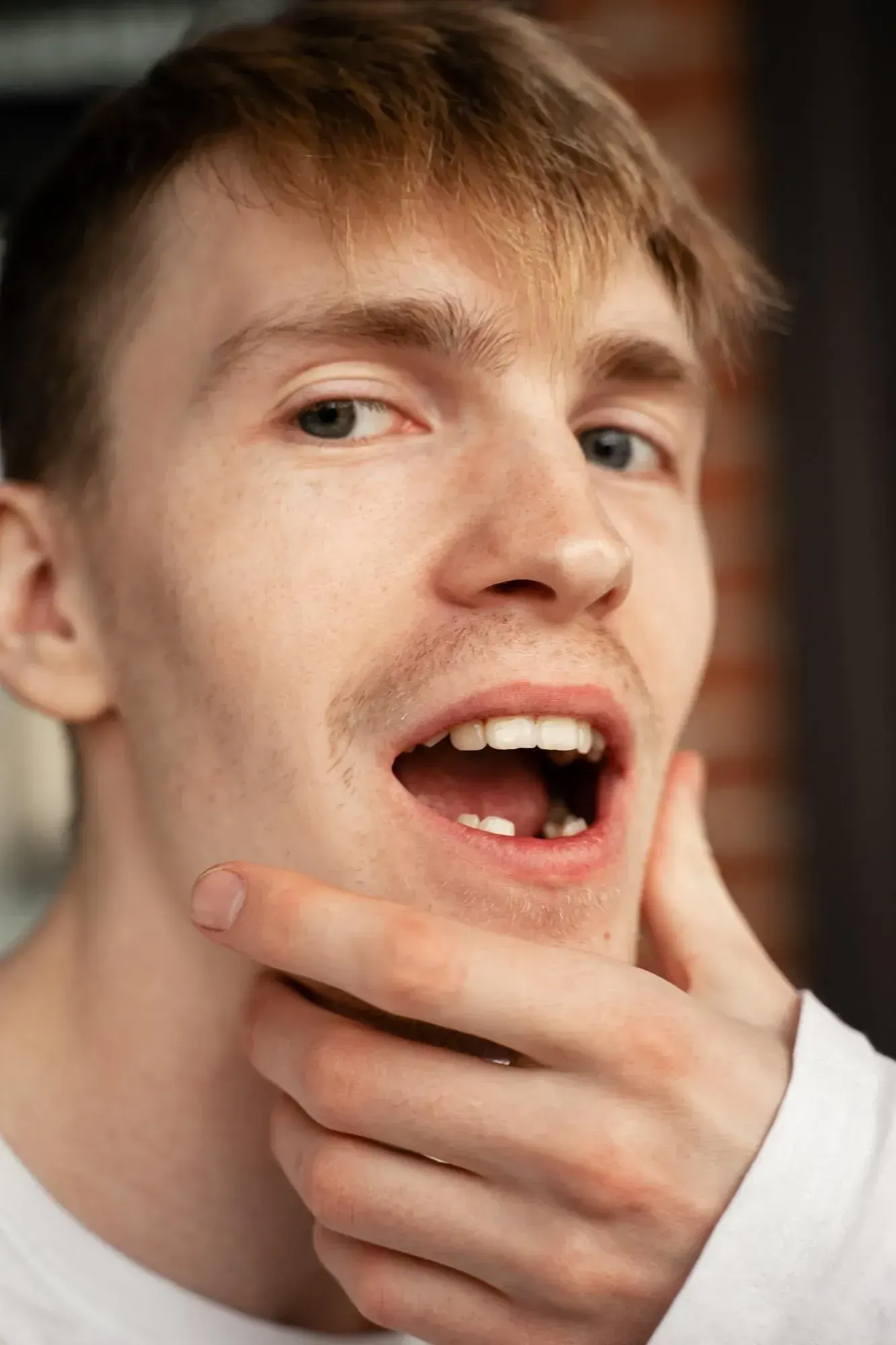
Comprehensive care, one trusted team, every step of the way.
Dental implants vs. dental bridges vs. dentures
| Treatment | Best For | Longevity | Bone Preservation | Initial Cost |
|---|---|---|---|---|
| Dental Implants | Replacing one or more teeth with the most natural feel and function | Often 20+ years and can last a lifetime with proper care | Excellent, stimulates bone like a natural tooth root | Higher upfront investment |
| Dental Bridges | Filling a gap when adjacent teeth could benefit from crowns | Typically 10 to 15 years before replacement is needed | Limited, jawbone under the missing tooth still resorbs | Moderate |
| Dentures | Replacing many or all teeth in an arch on a flexible budget | 5 to 8 years before relining or remaking is recommended | Minimal, jawbone tends to shrink over time under the denture | Most affordable starting point |
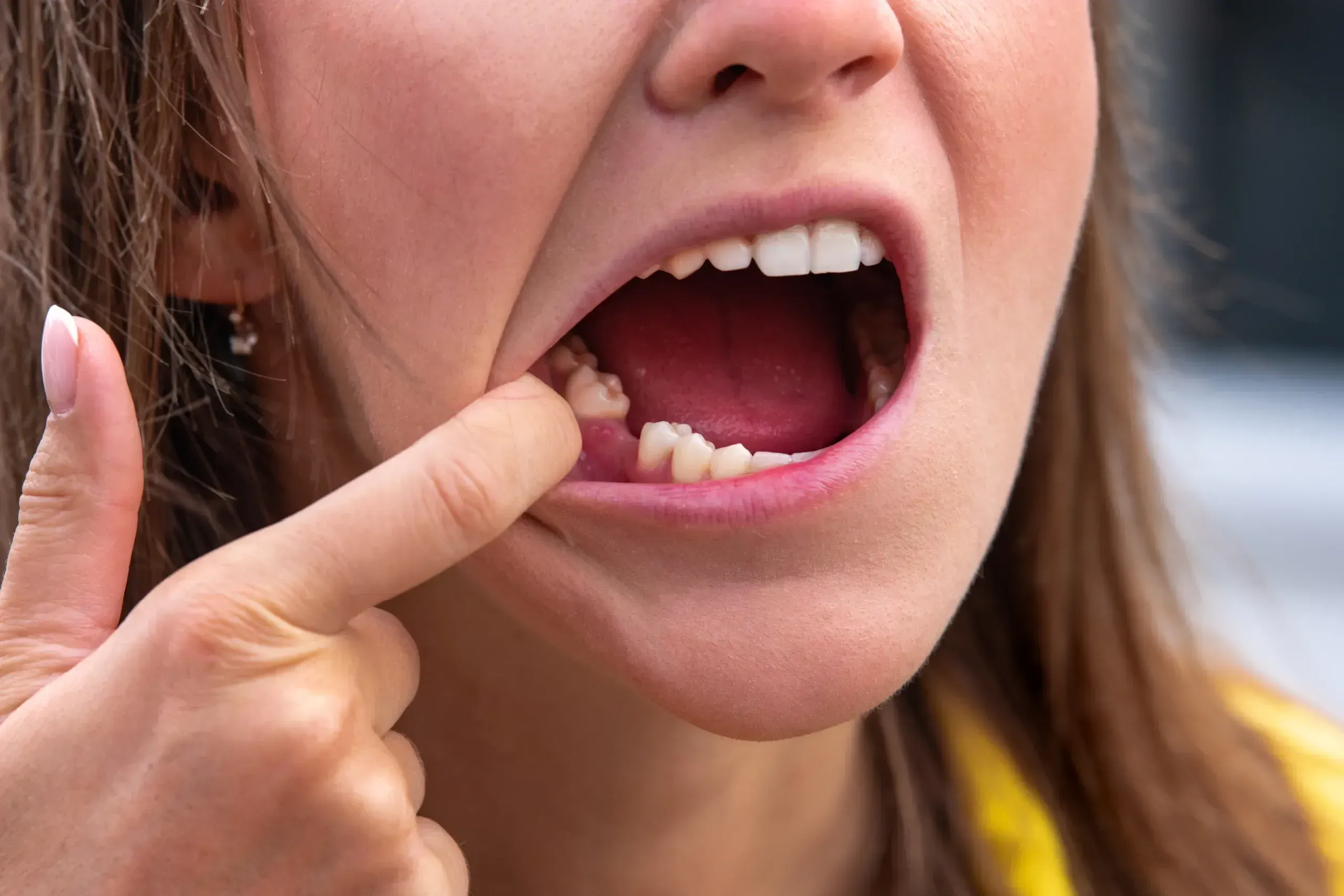
If any of these sound familiar, a consultation can help you understand your options.
Ideally within a few months. Jawbone begins to resorb soon after a tooth is lost, and neighboring teeth can start to shift. Early planning preserves your full range of options, including dental implants.
For most patients, dental implants come closest to a natural tooth because they integrate with the jawbone and support a custom crown. Bridges feel stable but rely on adjacent teeth, while dentures sit on the gums.
Often yes. If significant bone has been lost, a bone graft may be needed to rebuild the area before implant placement. Dr. Cook will review imaging and discuss whether grafting is recommended in your case.
A dental bridge or partial denture can restore function and appearance at a lower upfront cost. Many patients start with one option and consider implants later. We will outline pricing and any third-party financing during your consultation.
Yes, often for the better. Restoring missing teeth supports facial structure, prevents the sunken look that can come with bone loss, and gives you back a complete smile.
Most tooth replacement procedures are completed with local anesthesia and are well tolerated. Implant surgery, bridge preparation, and denture fittings each have specific comfort plans. Sedation options are available for anxious patients.