Worn Enamel
Hard brushing and acidic foods erode the outer layer that shields the nerve.

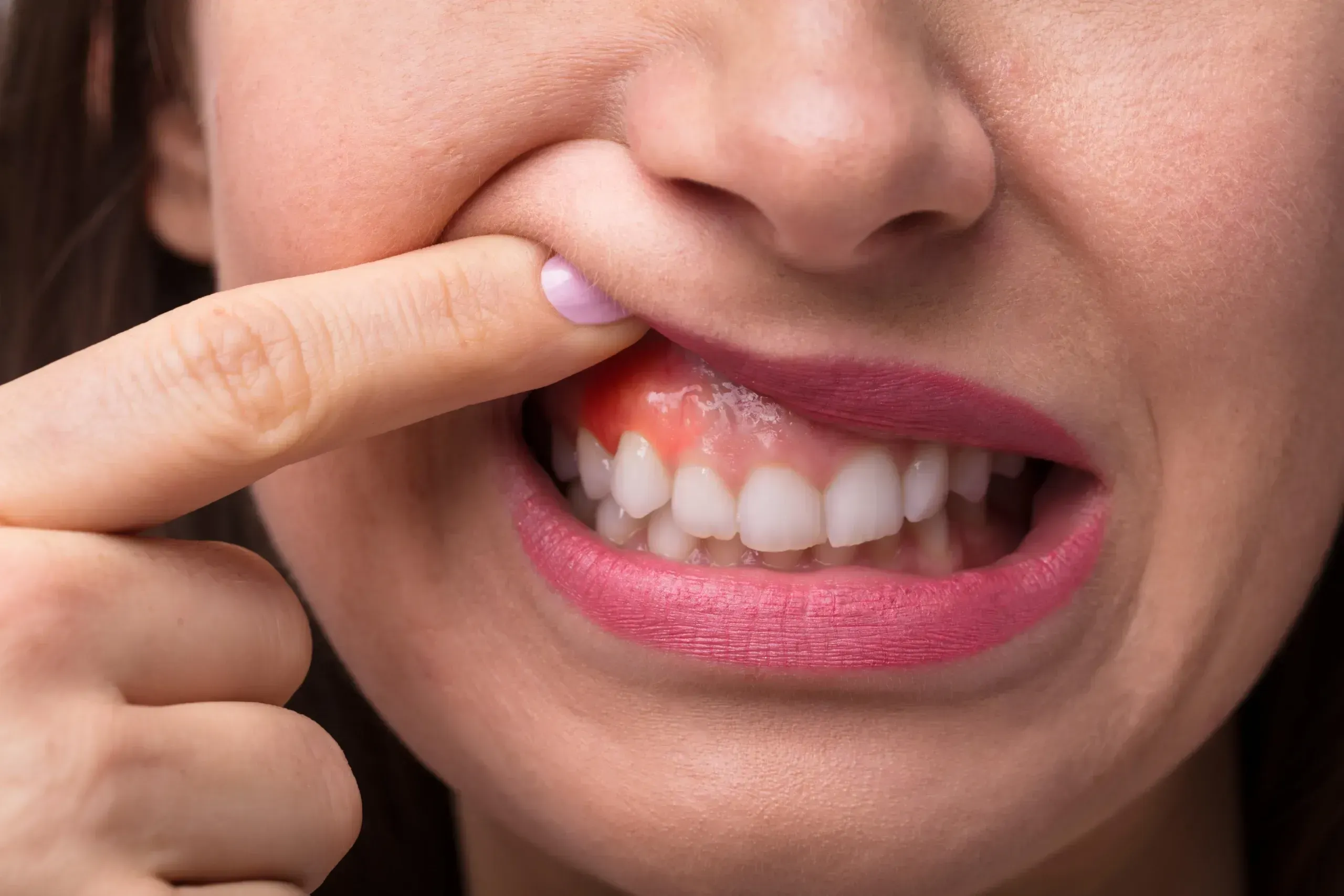
Stop the zing from cold drinks, sweet foods, and brushing

Dr. Cook diagnoses and treats sensitive teeth at the source along 30A.
If a sip of iced coffee or a breath of cool ocean air triggers a sharp jolt in your teeth, you are not alone. According to the American Dental Association, tooth sensitivity, also called dentin hypersensitivity, affects roughly one in three adults at some point in life. The good news is that almost every case has a clear cause and a proven treatment.
At Cook Family Dentistry in Santa Rosa Beach, FL, we go beyond simply recommending a desensitizing toothpaste. Dr. Cook performs a thorough exam to identify exactly why your teeth react to hot, cold, sweet, or acidic foods, then matches you with the most effective in-office or at-home solution, from fluoride treatment to a same-day dental filling. Call (850) 622-2226 to book your evaluation.

Understanding the triggers helps us choose the right fix.
Sensitivity happens when the protective outer enamel or gum tissue is worn or compromised, exposing the inner dentin. Dentin contains thousands of tiny tubules that connect to the nerve, so when hot, cold, sweet, or acidic stimuli reach these channels, you feel that familiar sharp pain.
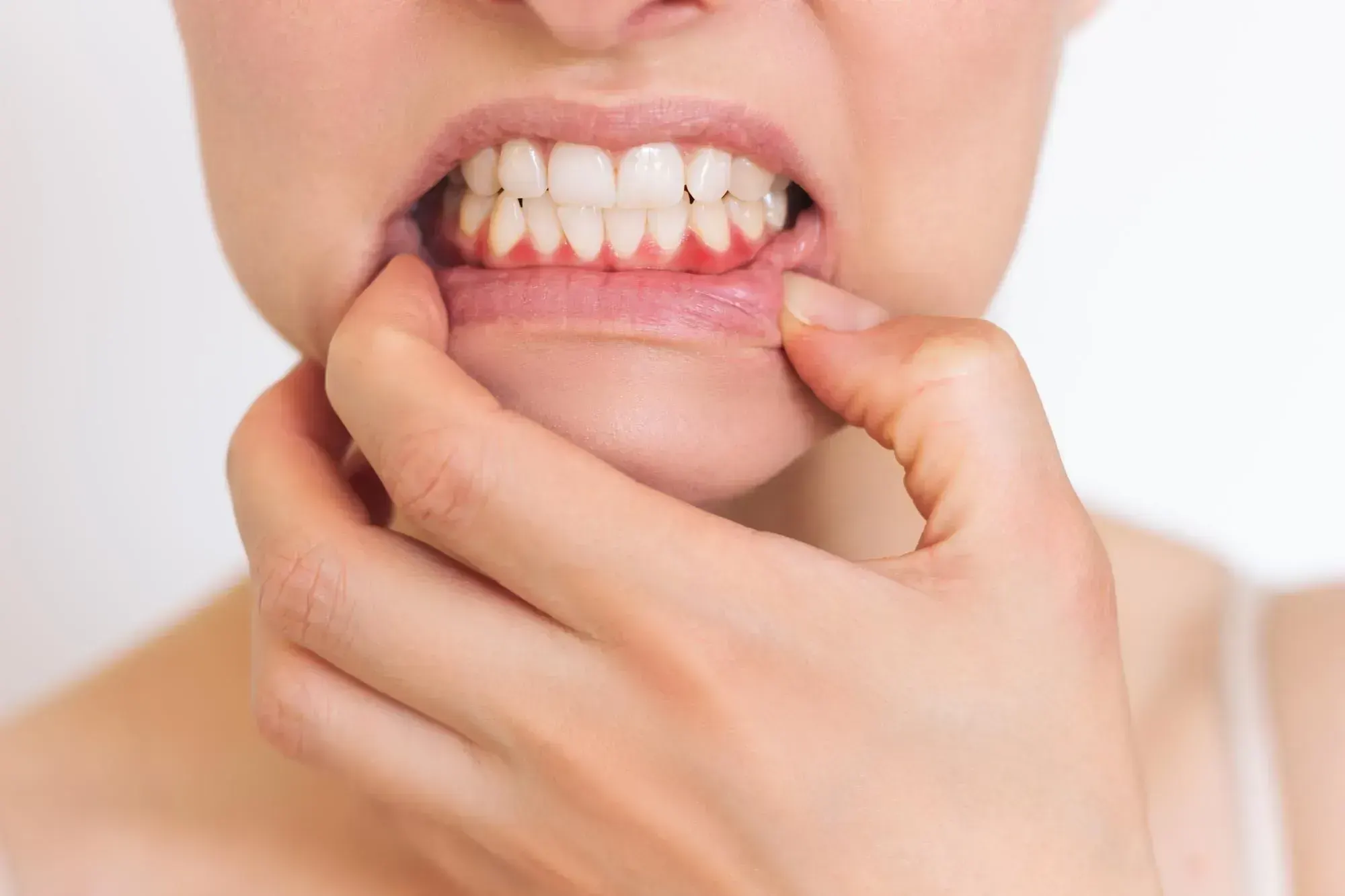
Hard brushing with a stiff toothbrush, acidic diets rich in citrus or soda, gum recession, untreated cavities, cracked teeth, and recent dental work can all open the door to sensitivity. Even teeth grinding wears down enamel over time and exposes sensitive areas near the gumline. Identifying which factor is at play is the first step toward lasting comfort.
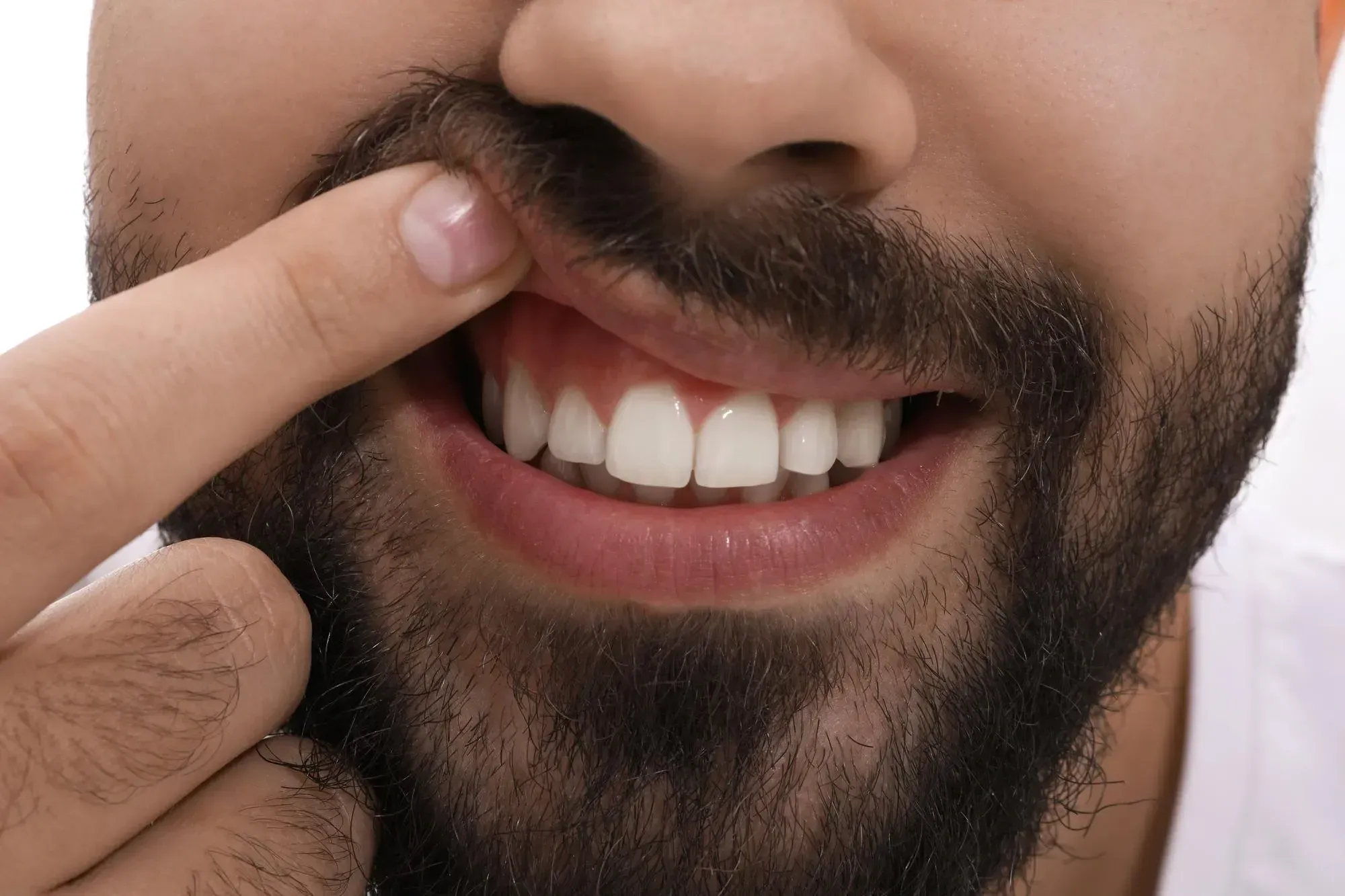
Smart habits that protect enamel and gum tissue
While professional treatment delivers the fastest relief, daily habits make a major difference. Switch to a soft-bristled toothbrush and use a gentle, circular motion rather than aggressive scrubbing. Wait at least 30 minutes after eating or drinking anything acidic, like wine, citrus, or soda, before brushing, since enamel is temporarily softened and easier to wear away.
Try a fluoride toothpaste designed for sensitive teeth, such as those containing potassium nitrate or stannous fluoride. These ingredients calm nerve activity and seal exposed tubules over a few weeks of consistent use. If you grind your teeth at night, ask about a custom night guard. Most importantly, if sensitivity is sharp, lingering, or limited to one tooth, schedule an exam to rule out a cavity or crack.
The most common sources we identify at Cook Family Dentistry
Hard brushing and acidic foods erode the outer layer that shields the nerve.
When gums pull back, the unprotected root surface becomes highly sensitive.
Decay breaches enamel and reaches the dentin, triggering temperature and sweet sensitivity.
A hairline fracture lets fluids and stimuli reach the inner tooth.
Fillings, crowns, or whitening can cause temporary sensitivity that fades within weeks.
Bruxism wears down enamel and stresses the tooth, exposing sensitive areas near the gumline.
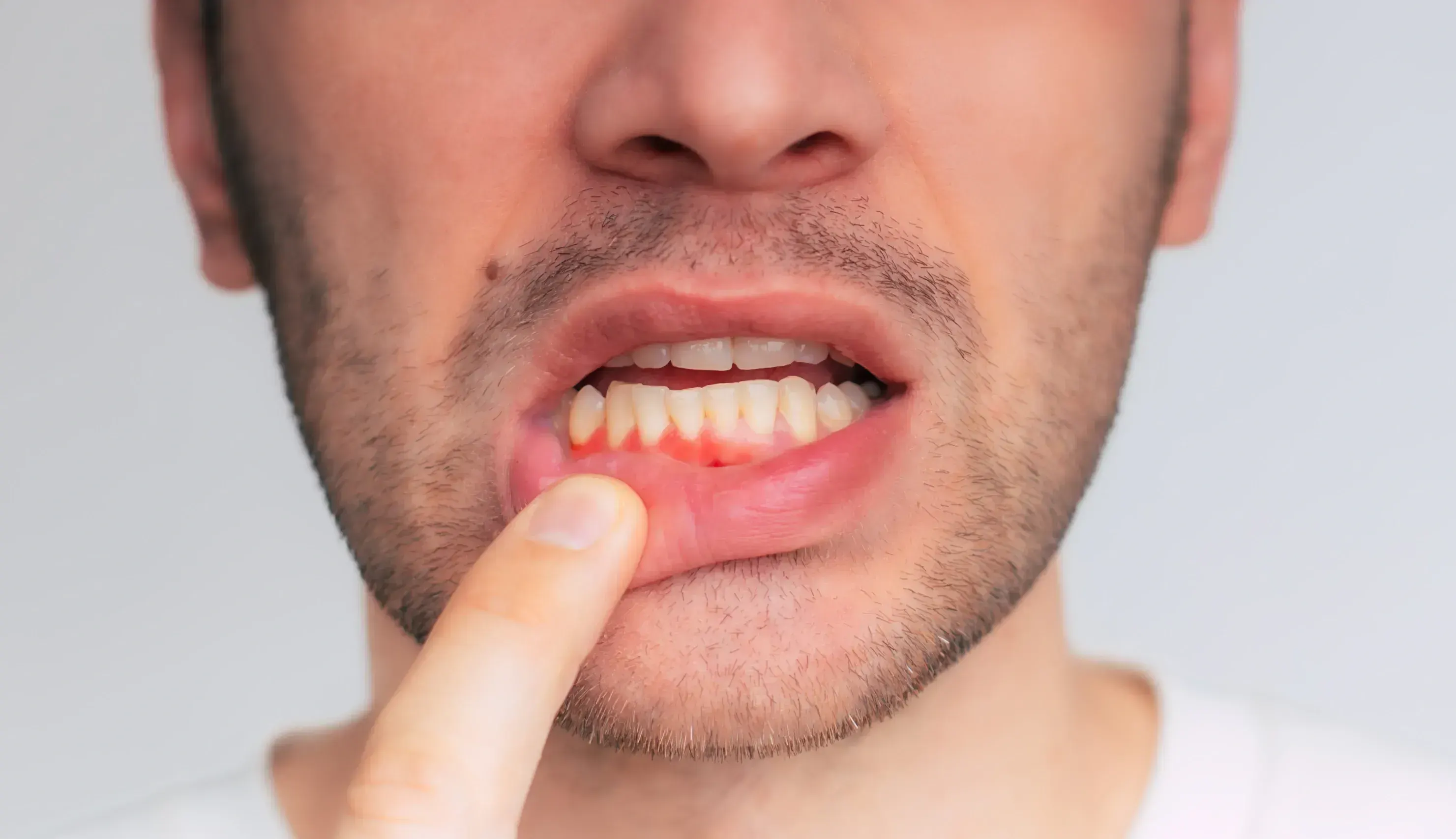
Targeted treatment from an experienced, credentialed dentist
Matching the right solution to the cause and severity
| Treatment | Best For | Time in Office | Typical Longevity | Offered at Cook |
|---|---|---|---|---|
| Fluoride Treatment | Generalized sensitivity, weakened enamel, and exposed root surfaces | One short visit, about 5 to 10 minutes | Three to six months per application | Yes, in-office fluoride varnish with Dr. Cook |
| Dental Fillings | Sensitivity caused by cavities or worn and lost fillings | Usually one visit, 30 to 60 minutes per tooth | About 7 to 15 years with good care | Yes, tooth-colored fillings with Dr. Cook |
| Dental Crowns | Sensitivity from cracked teeth, large cavities, or extensive enamel loss | One to two visits depending on crown type | 10 to 20 years with proper care | Yes, traditional and same-day crowns with Dr. Cook |
If any of these sound familiar, contact us at (850) 622-2226.
Sudden sensitivity often signals a new cavity, a small crack, a loose filling, or fresh gum recession. It can also follow whitening or a recent dental procedure and fade over a few weeks. If the pain persists beyond two to three weeks, schedule an exam at Cook Family Dentistry.
Yes, for many people. Toothpastes with potassium nitrate or stannous fluoride calm the nerve and seal exposed dentin tubules over two to four weeks of daily use. They work best for mild, generalized sensitivity. If pain is sharp, isolated, or lingering, an in-office treatment is usually more effective.
Mild sensitivity after teeth whitening is common and usually resolves within a few days to a week. Using a desensitizing toothpaste before and after treatment helps. If sensitivity is severe or lasts longer, give us a call so we can check for underlying issues.
Absolutely. Decay that has reached the dentin layer exposes the nerve to temperature and sweet stimuli, often causing sharp or lingering pain. A simple filling typically resolves the sensitivity completely once the decay is removed.
The right treatment depends on the cause. Fluoride varnish strengthens enamel and reduces nerve sensitivity for several months. A bonded sealant covers exposed root surfaces from gum recession. If a cavity or crack is the source, a filling or crown restores the tooth and ends the sensitivity.
Yes. Bruxism wears down enamel, creates microcracks, and stresses the tooth near the gumline, exposing sensitive dentin. A custom night guard protects the teeth, eases jaw tension, and often resolves the sensitivity over time.
In-office fluoride varnish typically lasts three to six months. Bonded sealants on exposed roots can last several years with good oral hygiene. Restorative treatments like fillings or crowns offer long-term relief, often for a decade or more, by repairing the underlying problem.