Severe Tooth Decay
Cavities that have destroyed too much tooth structure to restore


Gentle, comfortable removal of damaged or problem teeth at Cook Family Dentistry.

Removal becomes the kindest option in certain situations.
We always look for ways to save a natural tooth first, whether through a filling, crown, or root canal. Sometimes, though, a tooth is too damaged, decayed, or infected to keep safely. Other times, a tooth is blocking orthodontic progress or causing crowding. In those cases, a careful extraction protects the rest of your smile and your overall health.
At Cook Family Dentistry, every extraction starts with a full evaluation, including digital x-rays and often CBCT 3D imaging when needed. Dr. Cook walks you through the reason a tooth needs to come out, what the recovery looks like, and the best long-term plan to replace it with an implant, bridge, or denture so your bite, speech, and confidence stay strong.
Good to Know
A planned, comfortable removal of a damaged or problematic tooth.
A tooth extraction is the careful removal of a tooth from its socket in the jawbone. At Cook Family Dentistry, most extractions are considered simple extractions, meaning the tooth is fully visible above the gumline and can be removed with gentle pressure after the area is numbed with local anesthesia.
Before any extraction, Dr. Cook reviews your medical history, takes digital x-rays, and (when needed) uses CBCT 3D imaging to map the tooth and surrounding nerves. He then explains the reason for removal, the steps of the visit, and your replacement options in plain language so you can make a confident decision.
Common reasons a tooth may need to be extracted include severe decay that cannot be restored, a fractured tooth below the gumline, advanced gum disease with significant bone loss, a failed root canal, persistent infection, or to create space before orthodontic treatment. Surgical removal of impacted wisdom teeth is handled on our Wisdom Teeth Removal page.
Most extractions take 30 to 45 minutes with local numbing, and the soft tissue feels comfortable again within a few days. Here's what to expect before, during, and after your procedure.
Removal becomes the right step when a tooth can no longer be saved.
Cavities that have destroyed too much tooth structure to restore
Cracks that extend below the gumline or into the root
Loose teeth with significant bone loss around the roots
Abscessed teeth where a root canal is not an option
Removing crowded or impacted teeth before aligners or braces
Teeth with repeated failures that cannot be predictably repaired
When a tooth cannot be saved, a gentle extraction at Cook Family Dentistry relieves pain, stops infection from spreading, and protects the health of your surrounding teeth and jawbone.






Removing an infected or fractured tooth ends ongoing discomfort
Eliminates the source of bacteria spreading to nearby teeth and bone
Prevents decay or disease from damaging neighboring teeth
Sets the stage for an implant, bridge, or denture
Restores comfortable chewing once healing and replacement are complete
Ends embarrassment from a broken or painful tooth
Simple and surgical extractions address teeth that cannot be saved, while a root canal remains the best option when the tooth and root are intact - our team will help you choose the right path.
| Feature | Simple Extraction | Surgical Extraction | Root Canal (Save Tooth) | Anesthesia | Recovery Time | Best For |
|---|---|---|---|---|---|---|
| Tooth Position | Fully visible above gumline | Broken at gumline or impacted | Root and tooth intact | Local numbing | 1 - 3 days | Restorable problem teeth |
| Visit Length | 30 - 45 minutes | 45 - 90 minutes | 60 - 90 min + crown visit | Local + sedation options | 3 - 7 days (surgical) | Non-restorable or complex |
| Outcome | Tooth removed, plan replacement | Tooth removed, longer healing | Natural tooth saved | Local or sedation if anxious | Minimal for root canal | Saving the natural tooth |
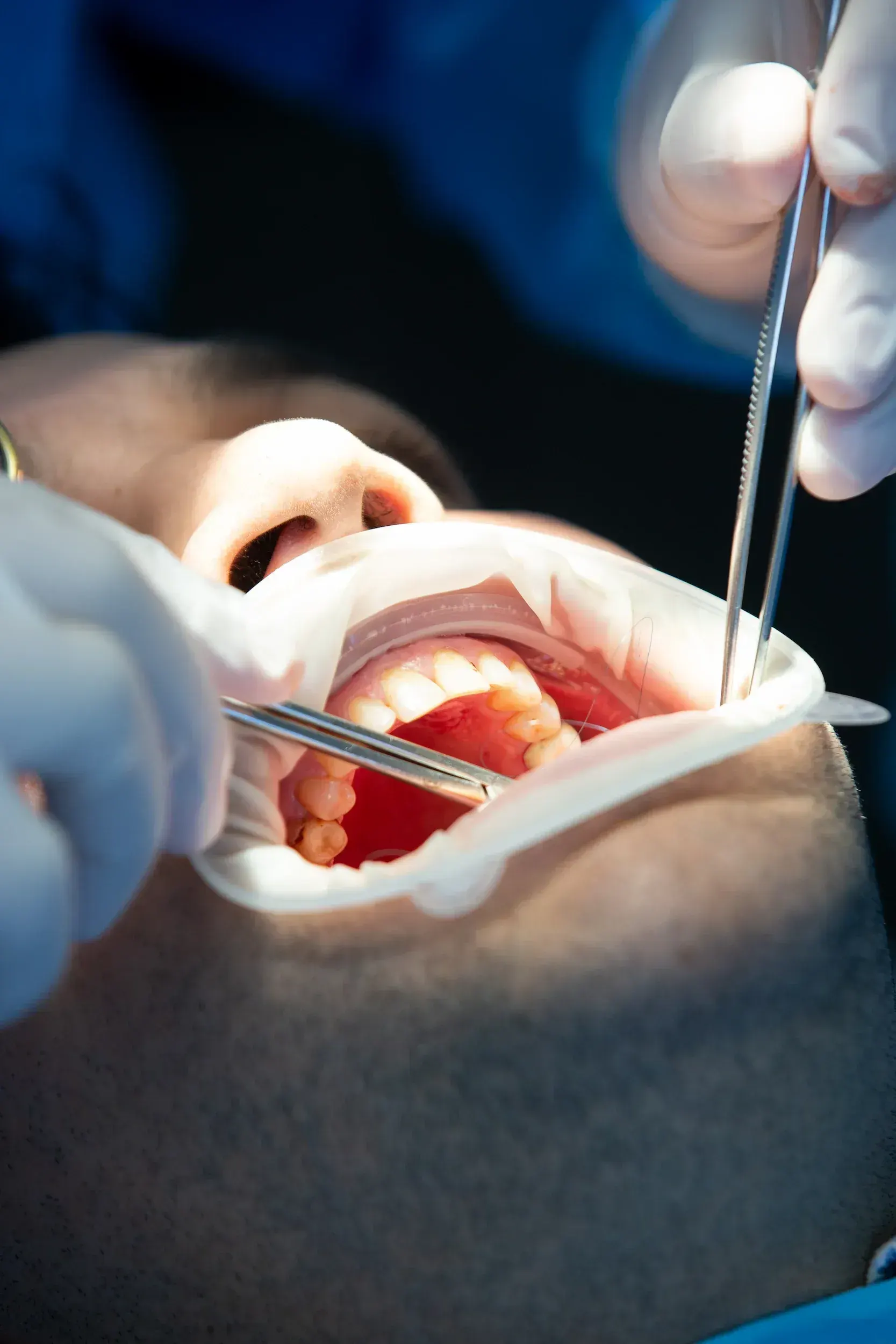
A simple tooth extraction is most appropriate for adults and older teens whose damaged or problematic tooth cannot be reliably restored with a filling, crown, or root canal. The goal is always to protect your long-term oral health and set you up for a strong replacement.
If Dr. Cook believes your tooth can be saved, he will tell you honestly and recommend the less invasive option first. When removal truly is the best path, we plan it carefully and walk through the entire process with you. For severe pain or trauma, see our emergency dentist page for same-day care options.
Your extraction visit at Cook Family Dentistry is paced carefully for your comfort - with thorough numbing, a gentle technique, and clear aftercare instructions so you heal quickly and confidently.
Dr. Cook reviews your health history and uses digital x-rays or CBCT 3D imaging to plan.
Dr. Cook applies a topical gel, then carefully delivers local anesthetic so the area feels fully numb.
Using specialized elevators and forceps, Dr. Cook loosens the tooth and removes it in one smooth motion.
Dr. Cook cleans the socket, places gauze, and (when planned) prepares the site for a future implant.
You leave with clear written instructions, ice packs, and a direct number to call with any questions.
Most extractions heal smoothly with mild, short-lived symptoms.
A simple tooth extraction is one of the most predictable procedures in dentistry, and most discomfort is mild and easily managed with over-the-counter pain relievers like ibuprofen or acetaminophen. Common, expected effects in the first 1 to 3 days include mild swelling, minor bruising near the extraction site, slight oozing of blood for a few hours, jaw stiffness, and tenderness in the surrounding gum tissue. These improve quickly with rest, ice, and a soft diet.
Less common but possible risks include a dry socket (when the protective blood clot is lost too early), prolonged bleeding, infection, sinus involvement for upper back teeth, or temporary nerve sensitivity. Avoiding straws, smoking, vigorous rinsing, and spitting for the first 72 hours dramatically reduces the risk of dry socket.
If you have any concerns after your visit, call our office at (850) 622-2226 and Dr. Cook or our team will help right away.
Extraction costs at Cook Family Dentistry depend on tooth position and complexity, and our team will verify your insurance benefits and provide a clear written estimate before treatment begins.
The cost of a tooth extraction at Cook Family Dentistry in Santa Rosa Beach depends on the position of the tooth, how much of it is visible, and whether sedation dentistry is requested. Most simple extractions of a fully visible tooth fall between $150 and $400 per tooth, with sedation and complex cases priced separately.
If you have dental insurance, basic extractions are typically covered between 50% and 80% after your deductible. Our team will verify your benefits before your visit and provide a clear written estimate so there are no surprises.
We believe cost should never stand between you and necessary care. We offer:
Families have trusted us since 2011.
Book NowDigital x-rays and CBCT 3D imaging map every extraction in advance
Gentle local anesthesia plus sedation options for anxious patients
Implant-trained provider plans your tooth replacement from day one
Warm, reassuring team that treats every patient like one of our own
We often see urgent extraction cases the same day you call
Dr. Cook and his team have served 30A families for over a decade
Plan your tooth removal and replacement under one roof at Cook Family Dentistry.
View All ServicesProfessional teeth cleaning in Santa Rosa Beach, FL. Gentle cleanings and dental exams to keep your smile healthy. Book today.
Learn moreEmergency dentist in Santa Rosa Beach, FL. Same-day care for tooth pain, broken teeth, and dental emergencies. Call today.
Learn moreDental fillings in Santa Rosa Beach, FL at Cook Family Dentistry. Durable, comfortable tooth-colored repair for cavities and decay. Call today.
Learn moreDental crowns in Santa Rosa Beach, FL. Custom crowns that protect and restore a damaged tooth. Book today.
Learn moreThe extraction itself should not hurt. Dr. Cook fully numbs the area first, so most patients feel only pressure or movement during the visit. Mild soreness afterward is normal and is usually managed well with over-the-counter pain relievers and ice for the first 24 hours.
Most patients feel significantly better within 1 to 3 days after a simple extraction. Soft tissue heals over the socket within about 2 weeks, and the underlying bone continues to remodel for several months. We give you specific aftercare instructions and a direct number to call with any questions.
In most cases, yes. Leaving a gap can cause neighboring teeth to shift, the opposing tooth to over-erupt, and bone in the area to shrink. Dr. Cook will discuss replacement options such as a dental implant, bridge, or partial denture before the extraction so you have a clear plan.
If you have only local anesthesia, you can drive yourself home safely. If you choose oral conscious sedation or nitrous oxide that takes longer to wear off, we ask that a trusted adult drive you home and stay with you for a few hours.
A dry socket happens when the protective blood clot at the extraction site dislodges too early, exposing bone. It can be uncomfortable but is treatable. To prevent it, avoid straws, smoking, vigorous rinsing, and spitting for the first 72 hours, and follow the written aftercare instructions we provide.
Stick with soft, cool foods for the first day or two, such as yogurt, smoothies (with a spoon, not a straw), mashed potatoes, scrambled eggs, and soup that is not too hot. Slowly add firmer foods as you feel comfortable, and chew on the opposite side of your mouth for the first week.
It depends on the location and condition of the bone. Some patients are candidates for an immediate implant placed the same day as the extraction. Others heal for about 4 to 8 weeks before implant placement, and some may need a small bone graft first. Dr. Cook will plan the right timeline for you.