Severe Toothache
Throbbing, lingering pain that interferes with sleep, eating, or daily activity

Root Canal in Santa Rosa Beach, FL: Gentle Treatment to Relieve Pain and Save Your Tooth
Saving your tooth is almost always better than losing it
An infected or inflamed tooth pulp will not heal on its own. Left untreated, the infection can spread into the jawbone, cause a painful abscess, and eventually lead to tooth loss. Many people fear root canals because of outdated stories, but the truth is that the procedure itself is what relieves the pain, not what causes it. Putting it off usually makes things worse and more expensive.
A root canal removes the infection from inside the tooth, seals it, and restores it with a crown so it can function for many more years. Keeping your natural tooth preserves your bite, your jawbone, and the surrounding teeth, often at a lower long-term cost than extraction plus an implant. Dr. Cook uses modern anesthesia, gentle techniques, and optional sedation so the experience is calm and comfortable.
Good to Know
Endodontic therapy that saves the tooth
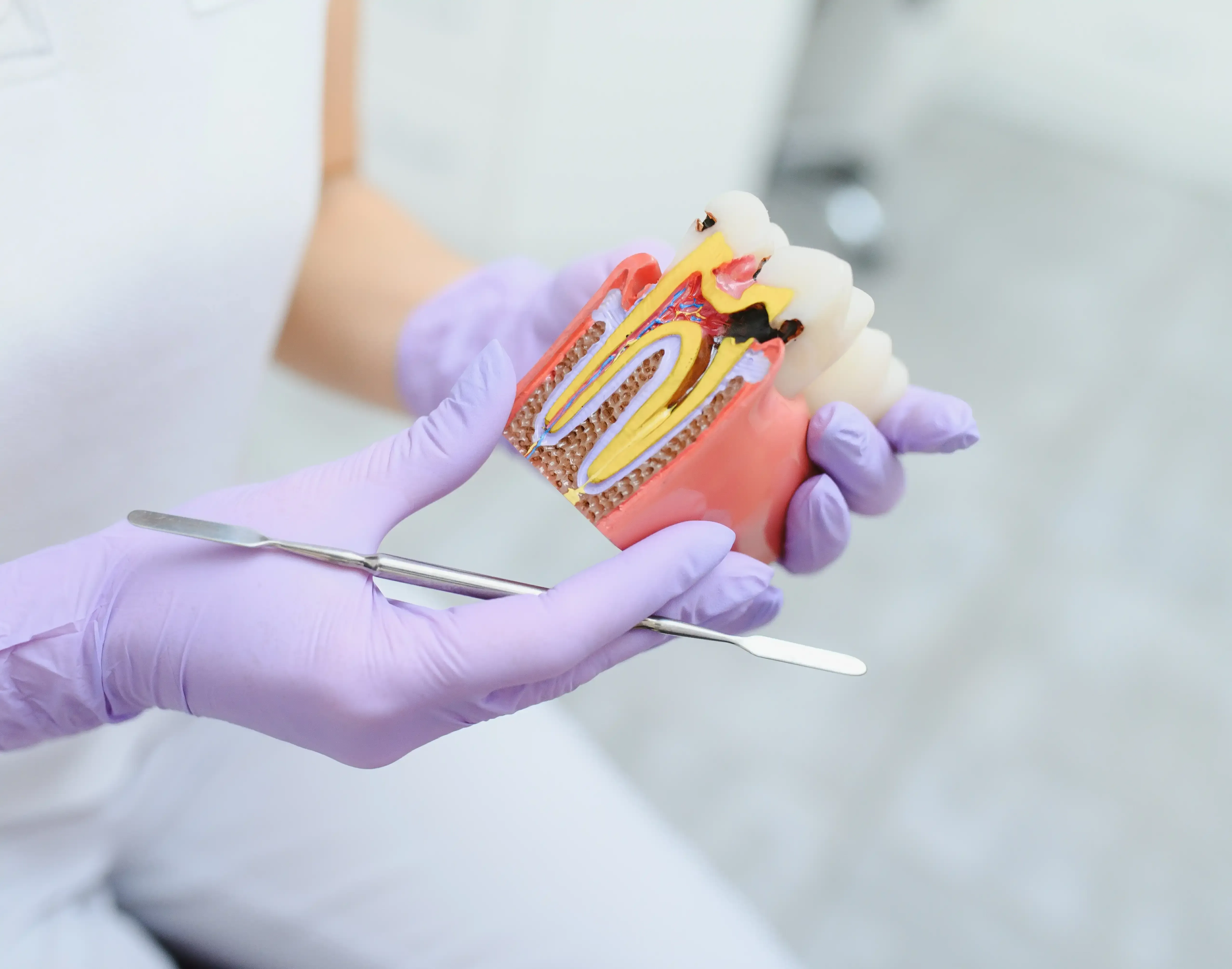
A root canal, also called endodontic therapy, is a procedure that treats infection or inflammation inside the tooth. Each tooth contains a soft tissue called the pulp, which holds the nerves and blood vessels. When the pulp becomes infected from deep decay, a crack, or repeated dental work, it can no longer heal itself and must be removed to stop the pain and save the tooth.
During the procedure, Dr. Cook numbs the area completely, creates a small opening in the tooth, and uses fine rotary files to gently clean out the infected pulp from the inner chambers. The space is disinfected, shaped, and sealed with a biocompatible material called gutta-percha. In almost every case, the tooth is then protected with a crown so it can chew normally for many years. Modern instruments and digital imaging make the visit remarkably comfortable, and most patients say it feels similar to having a routine filling.
Most root canals take 60 to 90 minutes across 1 to 2 visits, with relief often felt within 24 to 48 hours. Here's what to expect before, during, and after treatment.
Common symptoms that bring patients in
Throbbing, lingering pain that interferes with sleep, eating, or daily activity
Pain that lingers for more than a few seconds after the trigger is removed
Gum swelling, a small bump, or tenderness around a specific tooth
Pimple-like sore on the gum, often with a bad taste or drainage
A darkening tooth can signal a dying or infected nerve inside
Damage that has reached the inner pulp and exposed the nerve
A root canal at Cook Family Dentistry relieves severe tooth pain, clears infection, and saves your natural tooth - often in just one or two comfortable visits with local anesthesia.






Stops the source of the toothache rather than just masking it
Keeps your real tooth instead of replacing it with an implant or bridge
Maintains alignment and chewing function so other teeth do not shift
Keeping the root in place helps prevent the bone loss that follows extractions
About 95 percent of root canal teeth function well for many years (AAE)
Typically less expensive than extraction plus implant or bridge restoration
A root canal preserves your natural tooth, maintains jawbone health, and is almost always more cost-effective over a lifetime than extraction followed by an implant or bridge.
| Treatment Option | Best For | Saves Natural Tooth | Visits Needed | Bone Preservation | Long-Term Outlook | Approximate Cost |
|---|---|---|---|---|---|---|
| Root Canal (Save the Tooth) | Keep natural tooth, stop pain | Yes | 1 - 2 visits | Excellent, root stays | ~95% success, often lifelong | $700–$1,500 + crown |
| Extraction + Dental Implant | Too damaged to save | No | Several visits, 3 - 6 months | Good, implant integrates | High with proper care | $3,500–$6,000 total |
| Extraction Only | Lowest upfront cost | No | 1 visit, 30 - 60 min | Bone shrinks over time | Shifting teeth, bite issues | $200–$600 |
A root canal is the right choice for most patients whose tooth structure is still strong enough to be restored with a crown. Dr. Cook will review your symptoms, take a focused X-ray or CBCT scan, and confirm whether endodontic therapy or another option is best for your situation.
If a root canal is not the best option, Dr. Cook will walk you through alternatives like extraction with implant or bridge so you can make an informed choice.
Your root canal visit at Cook Family Dentistry is carefully paced for your comfort - from numbing and access to cleaning, shaping, and sealing, with a same-day crown option available.
Dr. Cook reviews symptoms and uses digital X-rays or CBCT 3D imaging to confirm the source of infection.
Dr. Cook fully numbs the tooth with local anesthesia and offers sedation options for anxious patients.
Dr. Cook creates a small opening and uses flexible rotary files to remove infected pulp from each canal.
Dr. Cook disinfects the canals and seals them with biocompatible gutta-percha to prevent reinfection.
Dr. Cook places a temporary or same-day CEREC crown to protect and restore full chewing function.
Modern root canals are safe and predictable
Most patients experience nothing more than mild tenderness around the treated tooth for a few days, which usually responds well to ibuprofen or acetaminophen. Common, temporary effects include sensitivity when biting, slight gum soreness near the injection site, and a feeling that the tooth is taller until the bite is checked and adjusted.
Rare risks include persistent infection, a missed canal, or a tooth fracture that may need retreatment, apicoectomy, or extraction. Dr. Cook reviews your full medical history, takes precise digital imaging, and uses gentle modern techniques to keep risks very low.
Always call our office if you experience increased swelling, fever, or pain that worsens after the first few days so we can address it promptly.
Root canal pricing at Cook Family Dentistry varies by tooth and number of canals, and our team will verify your insurance benefits and provide a clear cost estimate before treatment begins.
Root canal pricing depends on which tooth is treated and how many canals it has. As a general guide for the area:
We accept most major PPO dental insurance plans and will help estimate your out-of-pocket cost before treatment begins. Saving the natural tooth is almost always less expensive over a lifetime than extraction plus implant or bridge work. If you are in severe pain right now, our emergency dental care team can often see you the same day.
We believe cost should never stand between you and saving your tooth. We offer:
Gentle, modern endodontic care
Book NowProfound numbing so the procedure feels comfortable from start to finish
Calming sedation choices for anxious patients and longer appointments
Flexible rotary files clean canals efficiently and reduce chair time
Many patients leave with a permanent crown the same day, no second trip
Pair your root canal with these supporting treatments at Cook Family Dentistry.
View All ServicesDental crowns in Santa Rosa Beach, FL. Custom crowns that protect and restore a damaged tooth. Book today.
Learn moreSame-day crowns in Santa Rosa Beach, FL. CEREC crowns designed and placed in a single visit. Book today.
Learn moreDental bridges in Santa Rosa Beach, FL. Fixed bridges that replace one or more missing teeth. Book today.
Learn moreDental implants in Santa Rosa Beach, FL. Permanent tooth replacement that looks and feels natural. Book a consultation today.
Learn moreModern root canals are not the painful experience many people remember from years ago. Dr. Cook fully numbs the area with local anesthesia, and most patients say the procedure feels similar to getting a filling. The real pain comes from the infection, and the root canal is what relieves it. Sedation is available for anxious patients.
Most root canals take 60 to 90 minutes and are completed in 1 or 2 visits, depending on the tooth and how many canals it has. Front teeth often finish faster than back molars, which can have 3 to 4 canals.
Almost always, yes. A tooth that has had a root canal becomes more brittle over time, and a crown protects it from fracture. At Cook Family Dentistry, many patients can receive a same-day CEREC crown so the tooth is fully restored without a second appointment.
According to the American Association of Endodontists, the success rate of root canal treatment is approximately 95 percent, and many treated teeth last a lifetime when properly restored with a crown and maintained with routine dental care.
Without treatment, the infection inside the tooth will continue to spread. This can lead to a painful abscess, swelling of the face or jaw, bone loss, and eventually tooth loss. In rare cases, untreated dental infections can affect overall health, so prompt care matters.
If you only had local anesthesia, yes, you can drive yourself home and return to most normal activities right away. If you chose sedation, you will need a friend or family member to drive you and stay with you for a few hours afterward.