Airway Anatomy
A narrow throat, large tonsils, or a low-hanging soft palate increase the chance of collapse.

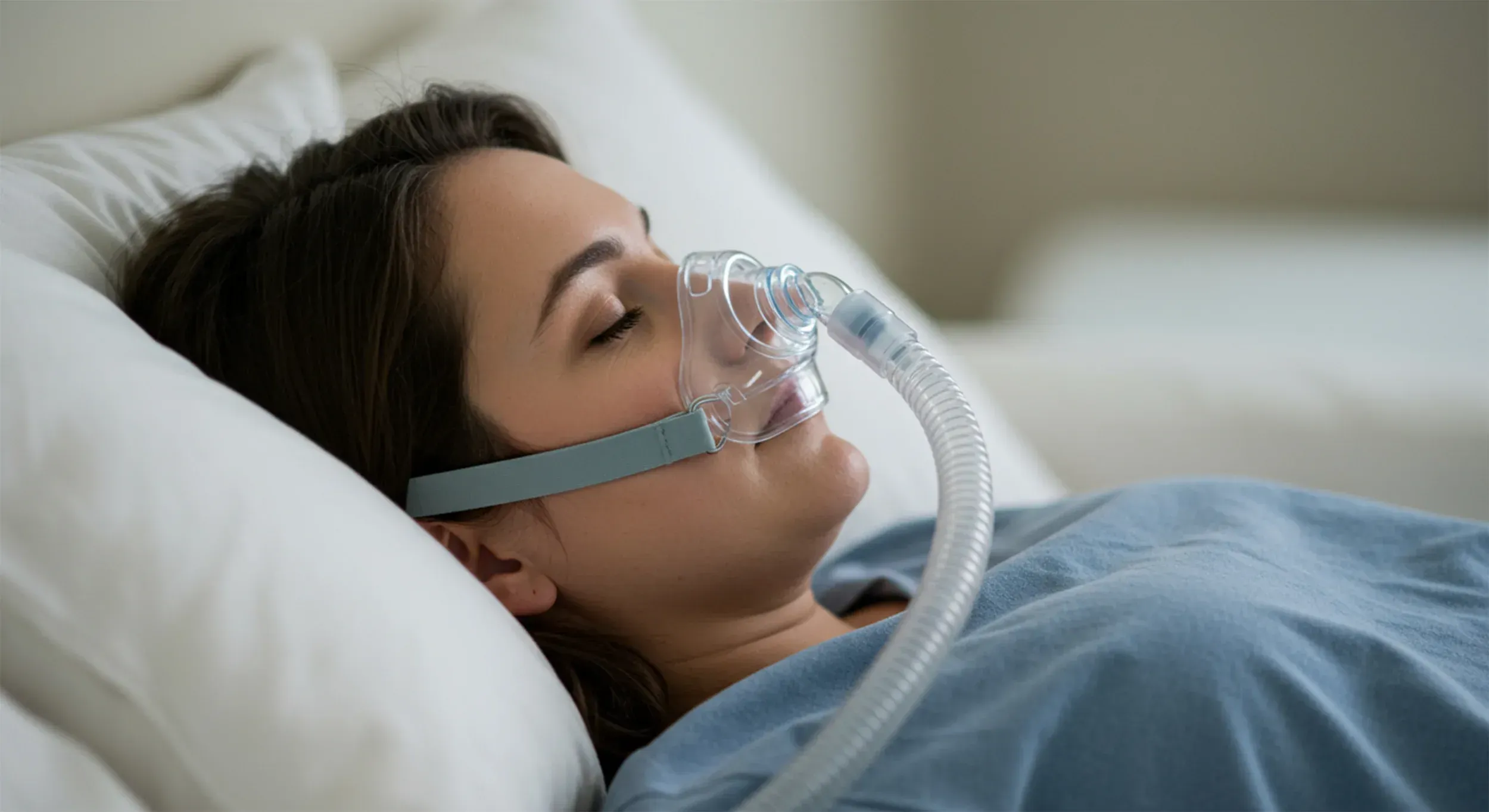
Comfortable oral appliance therapy as a CPAP alternative
Dr. Cook partners with sleep physicians along 30A to deliver custom oral appliances.
Loud snoring, morning headaches, and constant daytime fatigue are not just nuisances. They are often warning signs of obstructive sleep apnea (OSA), a serious condition that interrupts breathing dozens of times each night and raises the risk of heart disease and stroke. At Cook Family Dentistry in Santa Rosa Beach, FL, we offer a gentle, evidence-based alternative for patients who cannot tolerate a CPAP machine.
If you are searching for sleep apnea treatment near me, call (850) 622-2226. Dr. Cook works alongside local sleep physicians to confirm your diagnosis and then fits a custom mandibular advancement device that keeps your airway open while you sleep, helping you breathe easier and wake refreshed.
How breathing gets blocked while you sleep
Sleep apnea occurs when the airway repeatedly collapses or narrows during sleep, briefly cutting off oxygen and forcing the brain to wake the body just enough to restart breathing. There are three types. Obstructive sleep apnea (OSA) is by far the most common and happens when the soft tissues at the back of the throat relax and block airflow. Central sleep apnea (CSA) is a less common neurological condition where the brain temporarily stops signaling the muscles to breathe. Mixed sleep apnea is a combination of both.
Risk factors include excess weight, a narrow airway, a large neck circumference, family history, smoking, and alcohol use before bed. Many people in our 30A community have lived with the condition for years without knowing it, and a partner's complaint about snoring is often the first clue.
Why early treatment protects more than your sleep
Sleep apnea is more than a sleep problem. Each pause in breathing lowers oxygen levels and spikes blood pressure, putting daily strain on the heart and brain. Research links untreated OSA to a higher risk of high blood pressure, heart attack, stroke, type 2 diabetes, and motor vehicle accidents from drowsy driving.
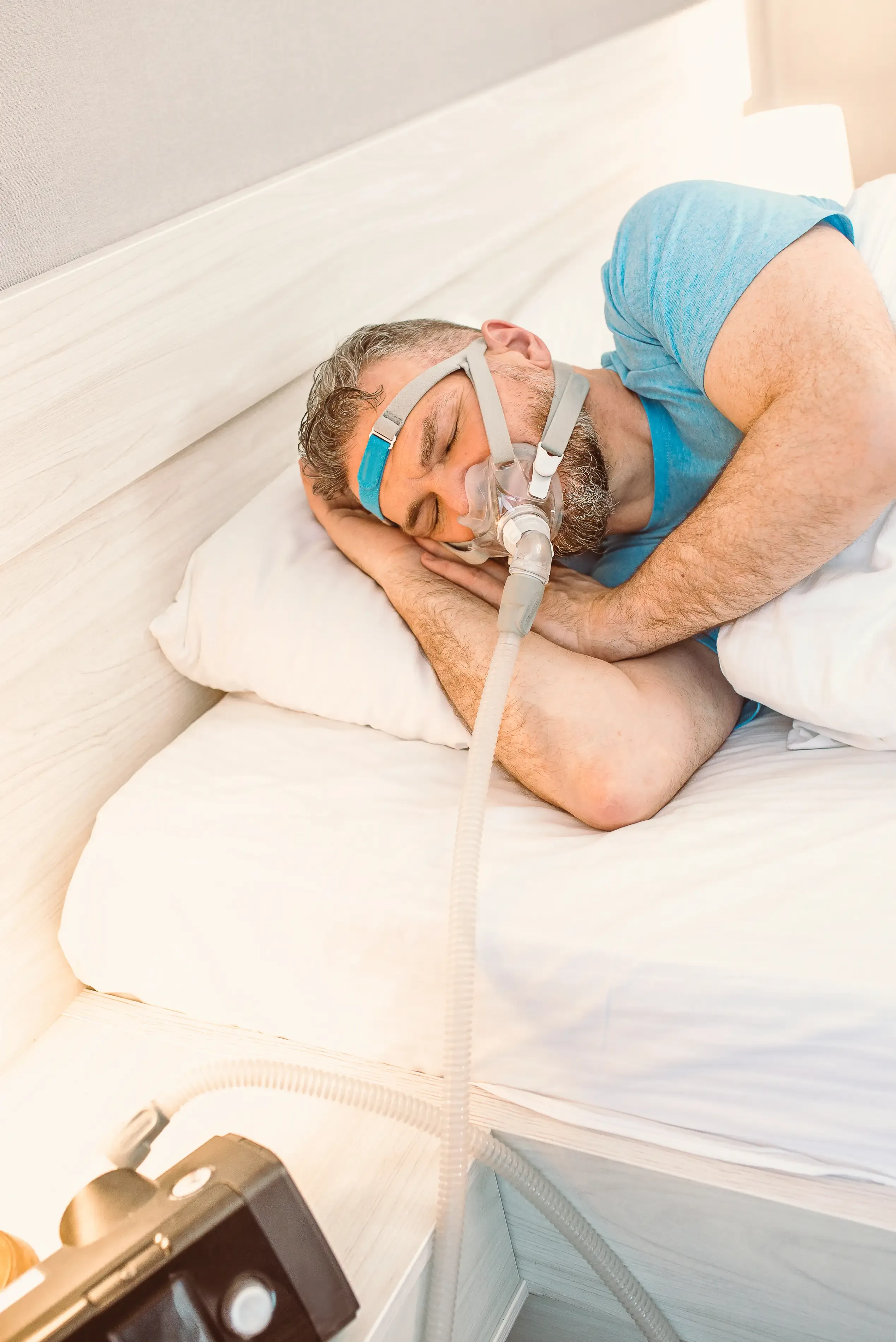
The good news is that effective treatment reverses many of these risks. Whether the right answer is CPAP, an oral appliance, or a combination, getting started early protects your long-term health and restores the deep, restorative sleep your body needs. Our role is to make therapy comfortable enough that you actually wear it every night.
The most common contributors we see in patients along 30A
A narrow throat, large tonsils, or a low-hanging soft palate increase the chance of collapse.
Fatty tissue around the neck and tongue can press on the airway during sleep.
A small or recessed lower jaw shifts the tongue back and crowds the airway.
Chronic congestion or a deviated septum forces mouth breathing and airway turbulence.
Relaxant substances loosen throat muscles and worsen nighttime breathing.
Tissue tone decreases with age and family history raises overall risk.
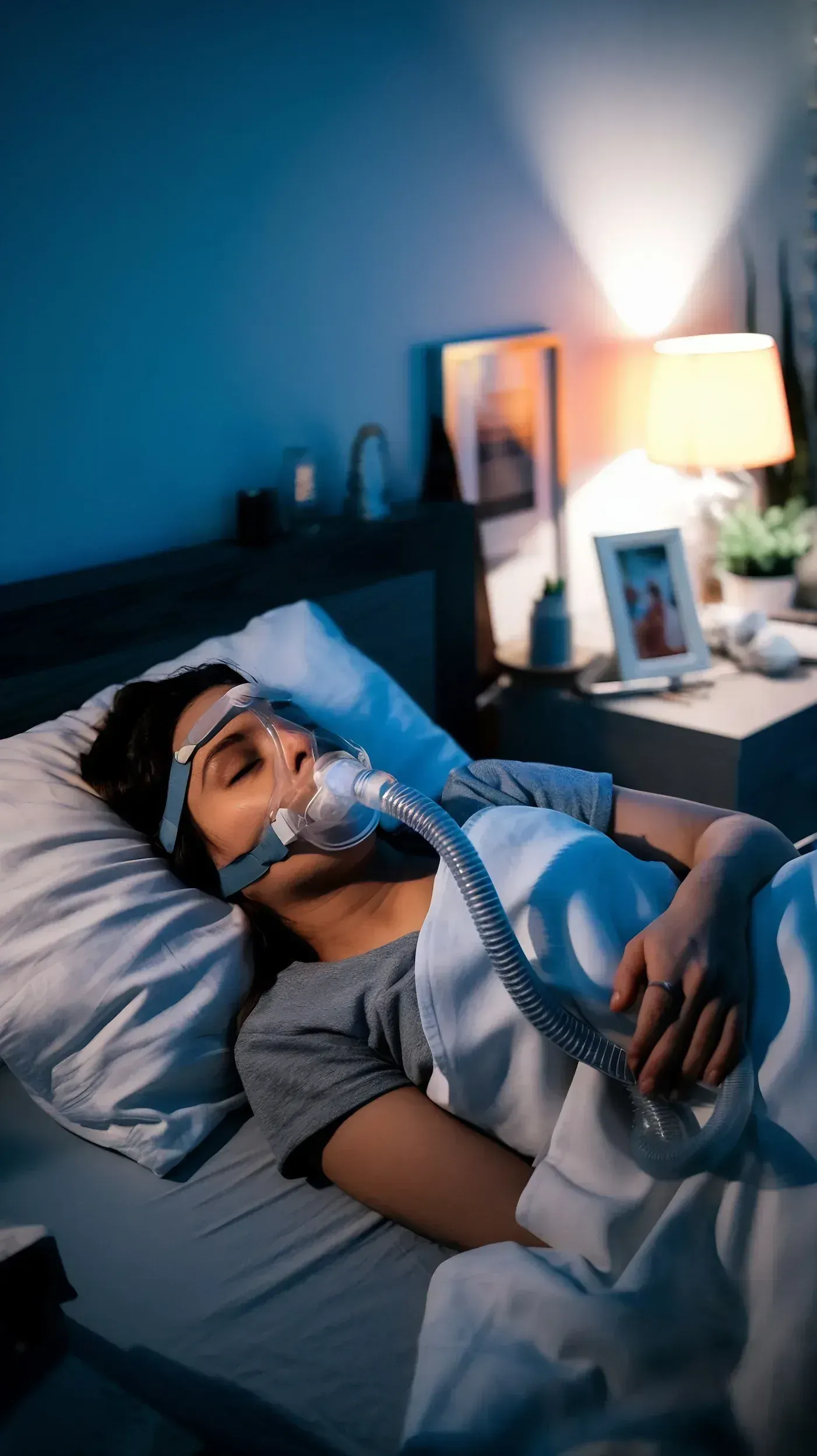
A coordinated, comfortable approach to restful nights
How Cook Family Dentistry helps with snoring, sleep apnea, and related jaw concerns
| Treatment | Best For | How It Helps | Comfort | Cost |
|---|---|---|---|---|
| Mouth Guards | Mild to moderate OSA or CPAP-intolerant patients | Custom mandibular advancement device holds the airway open during sleep | Slim, quiet, no hoses or power required | Approximately 1,500 to 2,500 dollars, often covered by medical insurance |
| Botox for TMJ | Sleep apnea patients with co-existing jaw clenching or TMJ pain | Relaxes overactive jaw muscles that worsen nighttime bruxism and discomfort | Brief injections with minimal recovery | Approximately 400 to 800 dollars per treatment area |
| Sedation Dentistry | Anxious patients needing dental work to support oral appliance fit | Calm care during impressions, restorations, and follow-up adjustments | Relaxed, comfortable visits with nitrous or oral sedation | Varies by sedation level and procedure |
If any of these apply, call us at (850) 622-2226.
Yes. Sleep apnea is a medical diagnosis that requires a sleep study interpreted by a sleep physician. Cook Family Dentistry partners with local sleep specialists to coordinate testing, and once you have a confirmed diagnosis we can fit a custom oral appliance.
For mild to moderate obstructive sleep apnea, peer-reviewed research shows oral appliances reduce apnea events and improve symptoms significantly. CPAP remains the gold standard for severe cases, but oral appliances are an excellent option for patients who cannot tolerate a mask or for those with milder disease.
A mandibular advancement device looks similar to a slim athletic mouth guard. It gently holds the lower jaw slightly forward during sleep, which pulls the tongue and soft tissues away from the back of the throat and keeps the airway open.
Most medical insurance plans, including Medicare, cover custom oral appliances when prescribed for diagnosed obstructive sleep apnea. Our team verifies your medical benefits and provides a clear written estimate before treatment begins.
Most patients adapt within one to two weeks. Mild jaw soreness or extra saliva is common at first and improves quickly. Dr. Cook fine-tunes the device over several visits so it stays comfortable and effective night after night.
Pediatric sleep apnea has different causes and treatments, often involving tonsils and adenoids. Cook Family Dentistry focuses on adult oral appliance therapy and will refer young patients to a pediatric sleep specialist when needed.
Yes, in most cases. By holding the airway open, the device dramatically reduces or eliminates the vibration that causes snoring. Many patients tell us their bed partners notice the difference the very first night.